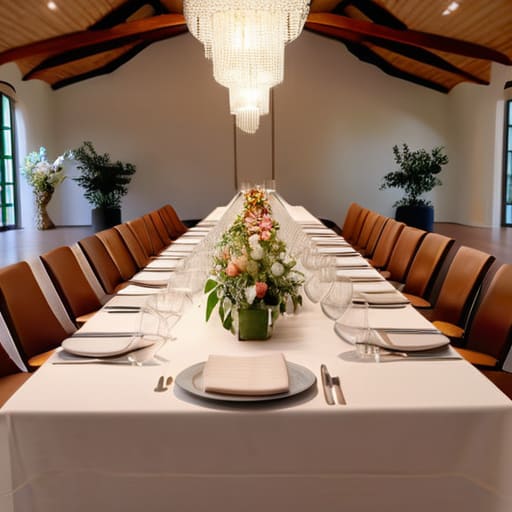
Every wedding blogger with a ring light and a Pinterest board will tell you that a guest list is about “curating your inner circle” and “celebrating love.” They make it sound like a poetic exercise in sentimentality. It isn’t. If you want a complete guide to guest lists that actually works, you need to stop thinking about emotions and start thinking about square footage. I’ve spent eighteen years watching “curated circles” turn into logistical nightmares because someone forgot that Uncle Barry doesn’t just take up a chair—he takes up space, needs a drink every twenty minutes, and somehow manages to block the service corridor right when the caterers are trying to move a hot tray of sea bass.
I’m not here to help you write heartfelt invitations; I’m here to help you solve the math. This isn’t a lesson in etiquette; it is a blueprint for survival. I am going to walk you through the brutal reality of numbers, from the way a single extra table can wreck your floor plan to the way a guest count you haven’t accounted for can shatter your budget before the first toast is even made. We are going to look at the logistics, the flow, and the hard limits of your venue, so that when the doors open, the only thing people are focused on is the party, not the chaos.
Table of Contents
Wedding Guest List Management and the Budgeting Reality

Here is the hard truth: your guest list is the primary lever for your entire budget. People treat the guest list like a social directory, but in my world, it’s a financial spreadsheet that refuses to balance. Every name you add isn’t just a seat; it’s a plate of food, a glass of wine, a linen napkin, and a slice of the cake. When you start budgeting for guest counts, you have to stop thinking about “who we love” and start thinking about the compounding cost of an extra ten people. Those ten people might look like a small margin of error, but they can be the difference between a premium bar package and a budget wine that tastes like vinegar.
Then there is the emotional tax. Managing wedding guest list management isn’t just about the math; it’s about the politics. You will inevitably hit the wall of “but we haven’t seen them in five years” or “it’s disrespectful not to invite Uncle Mort.” I’ve seen more wedding tensions boil over at the dining table than at the altar. You have to decide early if you are hosting a family reunion or a curated event, because once the invites go out, the logistics—and the costs—are locked in.
Guest List Organization Tips for the Logistics Minded

Stop treating your guest list like a sentimental scrapbook and start treating it like a spreadsheet. If you want to avoid a meltdown three weeks before the big day, you need to implement strict wedding guest list management from the jump. I’ve seen too many couples hold onto “maybe” RSVPs because they don’t want to hurt feelings, only to realize they’ve overshot their venue capacity by ten people. You can’t magically stretch a room, and you certainly can’t ask a caterer to conjure more plates at 7:00 PM when the licence end is looming.
My best advice? Categorize your list into tiers: A, B, and C. Tier A are the non-negotiables. Tier B are the people you actually like but might lose if the budget tightens. Tier C are the “if space permits” crowd. This isn’t being cold; it’s strategic planning. When you start managing event RSVPs, do it through a digital platform that feeds directly into your headcount. If you’re still chasing people via handwritten notes and prayer, you aren’t managing a wedding; you’re managing a crisis.
Five Hard Truths for Your Guest List Spreadsheet
- Stop thinking in “people” and start thinking in “plates and chairs.” Your guest list isn’t a social directory; it’s a physical footprint. Every name you add is a specific amount of square footage occupied, a specific number of forks required, and a specific increment of time added to the bar queue. If you add ten people, you aren’t just adding ten names; you’re adding ten more bodies competing for the same narrow corridor to the toilets.
- The “A-List” and “B-List” dance is a logistical necessity, not a social slight. I’ve seen too many couples try to be “nice” by inviting everyone and then panicking when the caterer tells them the room capacity is a hard limit. Set your A-list based on your actual, non-negotiable budget and floor plan. The B-list is your contingency plan for when the inevitable “regretful decline” emails arrive. It’s not being rude; it’s being prepared.
- Categorize by “Logistical Complexity,” not just family ties. I group guests into tiers: the “high-maintenance” crowd (the ones who need dietary requirements flagged immediately), the “rowdy” group (the ones who will test the decibel limits of your licence), and the “floaters” (the ones who arrive late and leave early). Knowing who is who helps you plan the seating and the service flow before the first glass is even poured.
- Account for the “Plus-One” Creep. This is where budgets go to die. You think you’re inviting fifty couples, but then you realize three of those “singles” are bringing dates you didn’t budget for, and two more are bringing “friends from work.” Be ruthless. If the invitation doesn’t explicitly state a plus-one, don’t let the “but they’re coming alone” guilt trip you into adding a seat that doesn’t exist in your floor plan.
- Build in a “Buffer Zone” for the RSVP deadline. If your wedding is on a Saturday, your RSVP deadline should not be the week of the wedding. You need a minimum of three weeks of “dead air” between the final guest count and the caterer’s deadline. You need that time to chase the ghosts—the people who haven’t responded and are currently making your seating plan a guessing game. If you don’t have a final number 21 days out, you aren’t planning a wedding; you’re hosting a gamble.
The Final Count

At the end of the day, a guest list isn’t just a collection of names on a spreadsheet; it is the blueprint for your entire event’s survival. You’ve looked at the math, you’ve wrestled with the budget, and you’ve hopefully accounted for the fact that every person added is another plate, another chair, and another minute of drink service delay. Remember that your list dictates the flow of the room and the pressure on your catering team. If you ignore the logistics of the headcount now, you’ll be paying for it in chaos when the doors open. Keep your numbers tight, your categories clear, and your expectations grounded in reality.
Once the spreadsheets are locked and the final numbers are sent to the venue, take a breath. The logistics are the skeleton of the wedding, but they aren’t the soul. Yes, I spend my life obsessing over floor plans and power requirements, but I do it so that you don’t have to. When the timings are seamless and the room doesn’t feel like a crowded subway carriage, you can actually stop worrying about the mechanics and start enjoying the people you chose to invite. Plan the hard parts well, and you’ll create a day that feels effortless, even if we both know exactly how much work went into making it look that way.
Frequently Asked Questions
How do I handle the "uninvited" guests who show up despite my seating plan and catering numbers?
Look, I’ve seen it: the “plus-one” who wasn’t a plus-one, or the cousin who brought a date nobody knew existed. First, don’t panic; panic is what makes the front-of-house staff look incompetent. Second, always build a 5% “buffer” into your catering numbers. If you’re expecting 100, tell the caterer 105. It’s the cost of peace. If they arrive, you seat them in the “flex” zone—the chairs we keep back for the chaos.
At what point does a guest list stop being a social list and start becoming a physical space problem for the venue?
The moment you cross the threshold from “who do I like?” to “how do they move?”, you’ve hit the wall. For me, that wall is usually around 75% of your venue’s capacity. Once you hit that number, you aren’t just inviting people; you’re managing a crowd. Suddenly, your guest list isn’t about family trees—it’s about the width of the service aisles, the queue for the bar, and whether the fire exit is actually a bottleneck.
How much of a buffer should I actually build into my final headcount for the caterer to avoid a logistical nightmare?
Listen, if you give your caterer the exact number on your spreadsheet, you’re asking for a crisis. I always tell my clients to build in a 5% buffer. If you’re hosting 100, tell the kitchen 105. That extra five isn’t for the “maybe” guests; it’s for the unexpected hungry uncle, the cousin who arrives late and missed the first pass, or the inevitable plate dropped in the kitchen. It’s cheap insurance against a hungry room.