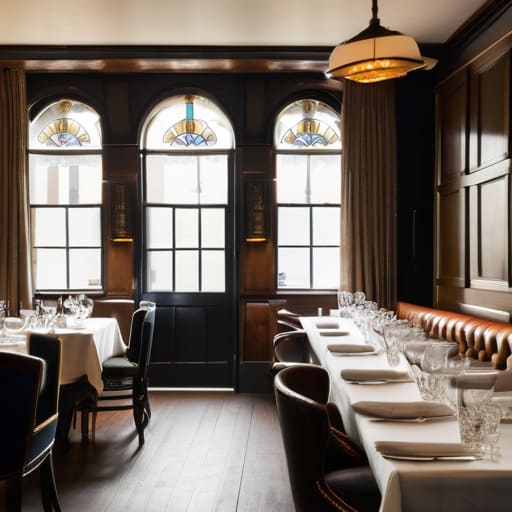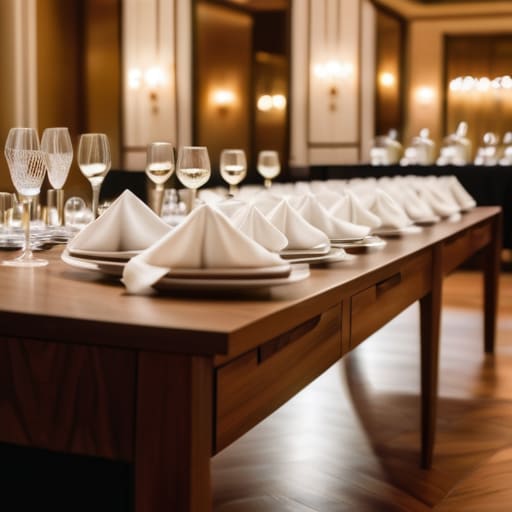
I once watched a high-end wedding planner have a complete meltdown because she’d spent six months perfecting a floral installation, only to realize she had nowhere to hide the empty crates, the spare linens, and the half-empty champagne bottles. She was looking at the centerpieces, but I was looking at the corridor that was now blocked by a mountain of cardboard. Most people think event planning is about the aesthetic, but they completely ignore how storage affects an event once the “magic” starts happening behind the scenes. If you haven’t mapped out where the clutter goes, your seamless transition from ceremony to cocktail hour is going to look more like a warehouse clearance sale.
I’m not here to talk to you about color palettes or the perfect shade of sage green. I’m here to talk about the square footage you didn’t budget for and the logistical nightmare of a service entrance that doubles as a storage cupboard. I’m going to show you how to manage the invisible chaos so that your guests see a polished, effortless evening, while you and your team aren’t tripping over empty crates ten minutes before the licence ends.
Table of Contents
Managing Event Inventory Beyond the Floral Arrangements
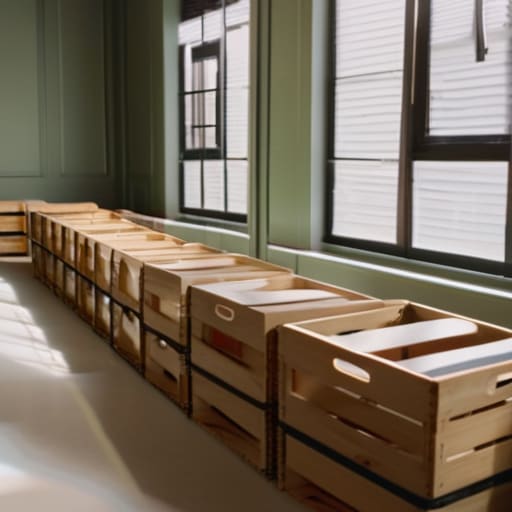
Everyone spends months obsessing over the centerpiece height or the exact shade of sage green, but nobody talks about the three crates of extra glassware or the mountain of linen bags sitting in the hallway. When you’re managing event inventory, you quickly realize that the “aesthetic” part of the evening is actually built on a foundation of stuff that needs a home. If your plan for the extra chairs, the backup AV cables, and the stack of place cards is just “toss them in the corner,” you’ve already lost the battle.
The real headache starts during the turnaround. You’ve got forty minutes to move from a ceremony setup to a seated dinner, and if your team is tripping over boxes of unused decor, that timeline is dead in the water. Effective on-site storage solutions aren’t about having a massive warehouse; they are about knowing exactly where every piece of equipment lives so you aren’t hunting for a spare microphone while the bride is walking down the aisle. If you don’t have a designated, out-of-sight zone for the logistics of event equipment, your seamless transition is going to look like a warehouse clearance sale.
Protecting Event Assets From the Chaos of Load in
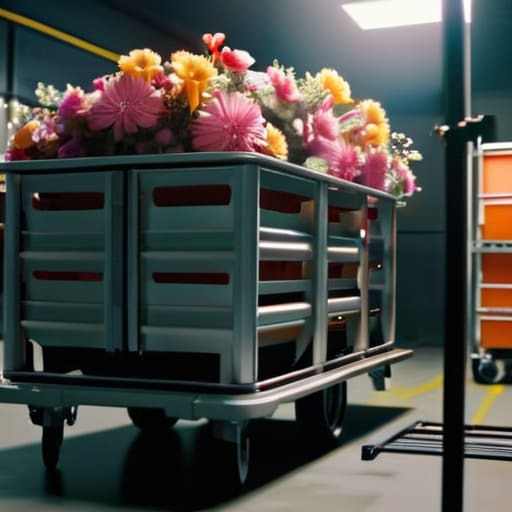
Load-in is the most dangerous hour of any event. It’s a choreographed collision of delivery vans, frantic florists, and AV technicians all trying to occupy the same three-metre corridor at once. If you aren’t actively protecting event assets during this window, you’re essentially inviting chaos. I’ve seen a three-thousand-pound lighting rig nearly get clipped by a catering trolley because someone decided the “staging area” was just wherever the nearest empty corner happened to be.
The secret isn’t just having space; it’s about on-site storage solutions that actually work under pressure. You need a designated “buffer zone”—a place where gear can sit safely without becoming a trip hazard or a target for a stray champagne flute. If your equipment is scattered across the ballroom floor like debris after a storm, you aren’t managing a setup; you’re just managing a mess. I always tell my team: if it isn’t in a secure, designated zone, it doesn’t exist. You cannot afford to spend the final hour before doors open hunting for a missing remote or a crushed box of linens because the logistics of event equipment were treated as an afterthought.
Five Ways Your Storage Strategy Will Either Save the Night or Sink It
- Respect the ‘Dead Zone’ between load-in and guest arrival. If you haven’t designated a specific, out-of-sight area for those empty flight cases and half-unpacked decor crates, your “elegant” foyer is going to look like a warehouse loading dock by 6:00 PM.
- Account for the ‘Return Trip’ before you even start. Everyone plans for what comes in, but nobody plans for the mountain of empty champagne crates, wilted floral foam, and discarded signage that needs to vanish by the time the licence ends at midnight.
- Don’t forget the caterer’s footprint. A chef might tell you they just need a corner, but if you haven’t allocated space for their backup dry goods, linen bags, and cleaning supplies, they’ll end up tripping over your guest tables just to find a clean towel.
- Power and cables aren’t just electrical issues; they are storage issues. If you haven’t budgeted space for cable ramps and heavy-duty bins to house the excess wiring, you’re essentially creating a trip hazard that will haunt your incident report.
- The ‘Last Minute’ trap. You need a designated “emergency” storage spot for the stuff that inevitably arrives late—the extra chairs, the unexpected dietary requirement meals, or the late florist. If that stuff is just sitting in the middle of the corridor, your logistics have already failed.
The Bottom Line on Backstage Space

At the end of the day, you can have the most expensive florist in the county and the most precise lighting cues, but if your loading bay is a graveyard of empty crates and your storage cupboard is overflowing with misplaced linens, the whole thing will feel frantic. We’ve talked about the inventory that doesn’t make the guest list, the protection of assets during that high-stress load-in window, and the vital need to plan for the physical footprint of your suppliers. If you don’t account for where the “invisible” gear lives, you aren’t just risking a messy room; you are risking the entire rhythm of the service. When the caterer is tripping over a stack of unused chairs five minutes before the main course, that is when the polished veneer of your event starts to crack.
My advice? Stop looking at your floor plan as just a way to seat guests and start seeing it as a logistical map of movement and containment. A successful event isn’t just about the moments people cheer for; it is about the quiet, disciplined management of the chaos happening behind the curtain. When you master the storage, the access, and the timing, you create the illusion of ease. And in my experience, that illusion of effortless perfection is the most valuable thing you can give your clients. Now, if you’ll excuse me, I’ve got a licence end in three hours and a vendor who thinks “arriving at 4:00” means pulling into the car park at 4:15.
Frequently Asked Questions
How much floor space do I actually need to set aside for the caterer’s extra crates so they aren't tripping guests during the speeches?
You need to stop thinking in square metres and start thinking in “clearance.” If your caterer is working a 200-person seated dinner, they aren’t just bringing plates; they’re bringing heavy-duty crates, linen bags, and prep stations. Budget at least 10 to 15 square metres of dedicated, out-of-sight staging space. If those crates end up in the service corridor or, god forbid, the guest walkway, your “seamless” transition becomes a trip hazard the second the speeches start.
If the venue doesn't have a dedicated lock-up, what’s the best way to keep high-value decor safe during the gap between setup and the reception?
If the venue doesn’t have a lock-up, you’re playing a dangerous game. You need to treat your decor like a high-stakes heist. First, don’t leave anything in the main hall once the doors open; that’s when the “uninvited” guests and wandering kids appear. I always tell my clients: if it isn’t on the floor or in a guest’s hand, it needs to be in a locked staff office or a dedicated van. If you can’t lock a room, you haven’t secured your assets.
How do I work out the "turnaround math" to ensure we aren't still moving empty chairs and linen bags around while the first course is being served?
You calculate it by working backwards from the first bite. If the first course hits the table at 19:00, your “clear floor” deadline isn’t 19:00; it’s 18:45. You need a fifteen-minute buffer for the inevitable stray chair or the linen bag someone left in the service corridor. Subtract your load-out time, add a twenty percent “human error” margin, and if that math doesn’t leave you with a clean room by the time the music starts, your schedule is a fantasy.