
I’ve spent eighteen years watching people pour thousands of pounds into hand-pressed linen and bespoke centerpieces, only to watch the entire afternoon collapse because the caterer couldn’t find a single power socket or the bar queue stretched into the car park. Most of the advice you find online is just a glorified shopping list for things that look good in a photograph. If you’re looking for a “complete guide to event day management” that tells you which shade of blush to pick for the napkins, you’ve come to the wrong place. I don’t care about the color palette; I care about the unseen friction—the three-meter gap you didn’t leave for the service trolley and the inevitable chaos that happens when your ceremony runs fifteen minutes late and eats into your dinner service.
I’m not here to sell you a dream; I’m here to give you the logistical blueprint that keeps your event from turning into a disaster. I’m going to strip away the fluff and talk about the things that actually matter: timings, access, load-ins, and how to manage a crowd when the licence end is breathing down your neck. This is the reality of what it takes to make an event feel effortless, even when you’re counting down the seconds to the final call.
Table of Contents
Mastering the Event Day Run Sheet Template
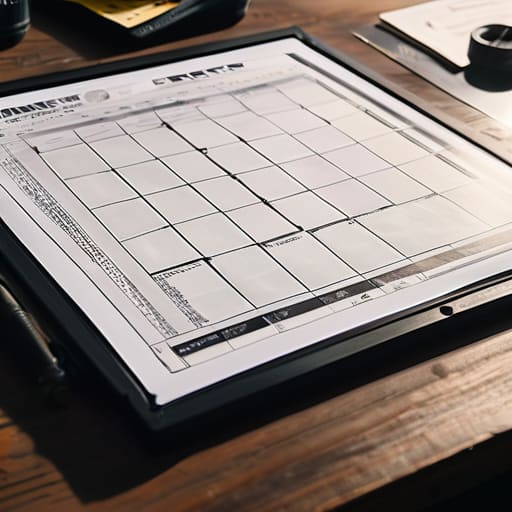
If you’re looking for a fancy, color-coded spreadsheet that makes you feel like a CEO, you’re looking in the wrong place. A real event day run sheet template isn’t about aesthetics; it’s a tactical map of the next twelve hours. I don’t care if the bridesmaids are wearing sage or eucalyptus; I care that the caterer is loading in at 10:00 AM and that the AV tech knows exactly where the power sockets are. Your run sheet needs to account for the “dead air”—those awkward gaps between the ceremony and the first drink where guests start looking at their watches and the staff starts looking for the exit.
The secret to managing event logistics live without losing your mind is building in “buffer zones.” If you schedule your speeches to start at 7:00 PM sharp, they will start at 7:15 PM. If you don’t build that fifteen-minute slip into your document, you’ll be chasing the clock until the licence ends at midnight. I always tell my team: a run sheet is a living document, not a religious text. It needs to be clear enough for a junior server to read in a dark hallway, but robust enough to handle the inevitable moment a vendor arrives late or a microphone dies.
On Site Event Coordination Without the Panic

The real test of on-site event coordination isn’t when everything goes according to the plan; it’s when the caterer’s van gets a flat tire or the DJ realizes his laptop won’t connect to our house system. I’ve spent two decades watching people freeze when the “perfect” schedule hits a snag. The secret to staying calm isn’t magic; it’s having a robust system for managing event logistics live so that a single hiccup doesn’t trigger a domino effect. You need to be the person in the room who is already three steps ahead of the chaos, looking at the clock and calculating exactly how much buffer you have before the licence end.
Effective event contingency planning means you aren’t making decisions on the fly—you’re simply executing the “Plan B” you already wrote down three months ago. This is where your staff communication protocols become your lifeline. If your team doesn’t know exactly who to call when the bar runs dry or a guest trips on a loose rug, you aren’t managing an event; you’re just babysitting a disaster. Control the information flow, and you control the room.
The Logistics That Actually Keep the Lights On
- Respect the Licence End: I don’t care how good the DJ is or how much the bride wants one last dance; the licence end is a hard wall. If your schedule has you cutting the cake at 11:45 PM and the music has to stop at midnight, you aren’t running an event, you’re running a race you’ve already lost. Work backwards from the exit, not forwards from the start.
- The Catering Buffer: Everyone talks about the menu, but nobody talks about the floor space. If your caterer arrives and realizes they don’t have the three metres of clearance they need to plate up three hundred covers without bumping into a guest’s chair, your “seamless” dinner is going to be a chaotic mess of clattering plates and stressed-out staff.
- The Bar Bottleneck: A wedding is essentially just a series of people waiting for a drink. If you have a hundred guests arriving at once after a ceremony and only one bartender, you’ve just created a twenty-minute queue that will kill the momentum of your entire afternoon. Plan your drink service around the arrival surges, not just the guest count.
- Power and Access: I’ve seen more events derailed by a blown fuse or a misplaced cable than by a bad florist. Know where your power points are, know the capacity of the circuit, and for heaven’s sake, make sure the delivery entrance isn’t blocked by a decorative hedge that nobody can move when the heavy equipment arrives.
- The “Uninvited” Speech Factor: You can plan for the bride, the groom, and the best man, but you cannot plan for Great Aunt Sheila. Always build a ten-minute “human error” buffer into your timings. If the speeches run over because someone decided to reminisce about 1974, you need that extra cushion so it doesn’t eat into your dinner service.
The Final Countdown
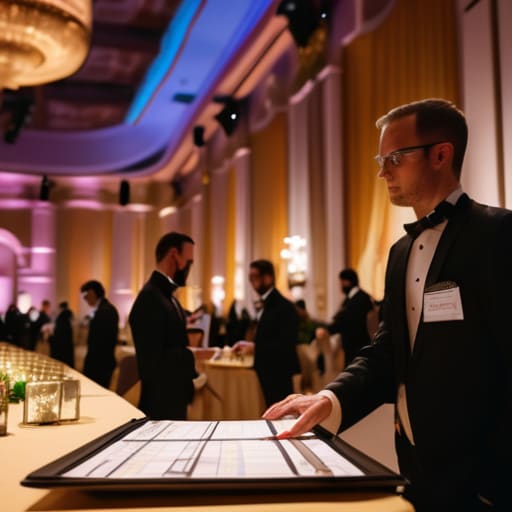
At the end of the day, managing an event isn’t about chasing perfection; it’s about managing the chaos that inevitably arrives at 7:15 PM. You’ve got your run sheet, you’ve mapped out the caterer’s footprint, and you’ve accounted for the inevitable delay in the photography session. But remember, the most important part of your logistics plan is the buffer. If you haven’t built in ten minutes of breathing room between the speeches and the first course, you aren’t planning—you’re just hoping. Keep your eye on the licence end, watch your power loads, and make sure your team knows that logistics are the invisible foundation that allows everything else to actually happen.
When the music stops and the last guest is being ushered toward the exit, don’t look at the empty champagne flutes or the wilted centerpieces. Look at the flow. If the guests moved smoothly from the ceremony to the bar, and if the dinner service didn’t feel like a frantic sprint, then you have succeeded. The magic of a great event isn’t found in the Instagram filters; it’s found in the seamless execution of a thousand tiny, unglamorous decisions. Plan for the friction, prepare for the hiccups, and trust that when the logistics are tight, the people can finally focus on the reason they gathered in the first place.
Frequently Asked Questions
How do I adjust the run sheet on the fly when the caterer is running forty minutes behind and the speeches are starting to stall?
First, stop looking at the clock and start looking at the floor. If the caterer is forty minutes late, your dinner service is dead in the water, so stop trying to force the original schedule. You don’t “adjust”—you pivot. Pull the speeches forward now to buy the kitchen breathing room, or move the bar service up to keep the guests from getting restless. You’re not following the paper anymore; you’re managing the gap.
What’s the realistic way to manage the "gap" between the ceremony and the reception without everyone getting restless or the bar getting slammed all at once?
The “gap” is where most weddings start to bleed. You’ve got a hundred people standing around in a car park or a foyer, and the second the bar opens, it’s a stampede. Don’t just hope for the best; stagger it. Feed them something light—not a full meal, just something to take the edge off—and space out the drink service. If you don’t manage that transition, you’ll spend the first hour of dinner playing crowd control instead of hospitality.
How much buffer time should I actually build into the schedule for things like guest arrivals and transport, versus just following the "ideal" timeline?
If you build a schedule based on “ideal” times, you’re building a house of cards. I’ve seen a ten-minute gap between a shuttle drop-off and a ceremony turn into a forty-minute bottleneck because people stop to take selfies or find a restroom. For guest arrivals, double your estimate. If you think it takes fifteen minutes, budget thirty. For transport, add twenty percent. You can always run early; you can never, ever run late when the licence ends at midnight.