If you spend any time on Pinterest, you’ll be convinced that a successful reception relies on a bespoke botanical gin bar and hand-carved ice spheres that cost more than my first car. It’s a lie. I’ve stood in the wings of a hundred weddings watching a “curated cocktail experience” turn into a slow-motion disaster because the bartender was trying to muddle mint for eighty people at once while a queue formed that stretched into the car park. Most blogs will give you a complete guide to drinks planning that focuses on the aesthetic of the glassware, but they never mention the math. They don’t tell you that if you don’t account for the physical flow of the room and the speed of a single pour, your guests will spend their first hour staring at an empty bar instead of celebrating.
I’m not here to talk about garnish or color palettes; I’m here to talk about the logistics of thirst. This isn’t a lifestyle piece; it is a breakdown of how to actually get liquid into hands without breaking your budget or your timeline. I’m going to walk you through the unfiltered reality of quantities, service speeds, and the critical window between the ceremony and the first toast. By the time we’re done, you won’t just have a menu—you’ll have a plan that actually works when the pressure is on.
Table of Contents
Mastering the Math With an Event Beverage Calculator
Look, I’ve seen it happen a dozen times: the bar is a graveyard of empty ice buckets and half-finished glasses because someone “guessed” the numbers. If you are relying on a gut feeling or a Pinterest board to decide how much gin to buy, you are asking for a disaster. You don’t need a crystal ball; you need an event beverage calculator. It sounds clinical, and it is, but that’s the point. You have to stop thinking about what people might drink and start calculating based on the actual duration of your licence.
When you are running through your alcohol consumption estimates, remember that the math changes depending on the crowd. A corporate conference at 2:00 PM requires a completely different ratio than a wedding reception at 8:00 PM. Don’t just focus on the heavy hitters, either. If you neglect your non-alcoholic drink options, you’ll find your bar service logistics grinding to a halt as your bartenders struggle to pivot to basic water and sodas while the thirsty crowd stares them down. Get the numbers right on paper first, or you’ll be the one explaining to a disgruntled bride why the prosecco ran out forty minutes before the speeches.
Alcohol Consumption Estimates That Prevent a Mid Reception Crisis
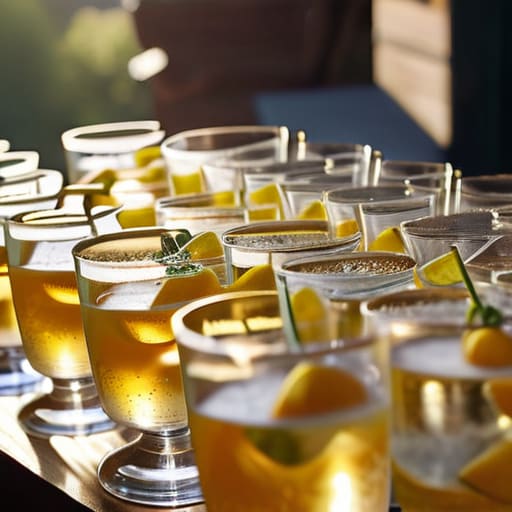
Here is the reality: most people plan for the best-case scenario, where everyone sips champagne with poise. I plan for the scenario where it’s eighty degrees, the ceremony ran twenty minutes late, and a hundred thirsty guests descend on the bar at the exact same moment. When you are calculating alcohol consumption estimates, you cannot just look at the headcount and hope for the best. You have to account for the “velocity” of your crowd. A group of twenty-somethings at a wedding reception will move through a bottle of gin significantly faster than a corporate lunch crowd.
If you don’t factor in the ebb and flow of the evening, you’ll end up with a “mid-reception crisis”—that awkward moment when the bar staff is staring at empty crates while the guests are staring at them. My rule of thumb is to always build in a buffer. This isn’t just about the booze; it’s about bar service logistics. You need enough stock to handle the peaks, not just the averages. And for heaven’s sake, don’t neglect your non-alcoholic drink options; if you run out of tonic or premium sodas, your guests will be hovering around the bar, making the queue even longer and the logistics even messier.
The Logistics of the Pour: Five Ways to Stop Your Bar from Becoming a Bottleneck
- Map the physical footprint of the bar before you order the booze. I’ve seen enough beautiful weddings ruined because the bar setup didn’t account for the three metres of space needed for a queue to form without blocking the fire exit or the path to the buffet.
- Stop treating the “welcome drink” as a stylistic choice and start treating it as a tactical deployment. If you have 120 guests arriving at once, you cannot be pouring individual glasses of Prosecco as they walk through the door; you need pre-poured trays ready to go, or you’ll have a bottleneck at the entrance that kills the momentum of the entire afternoon.
- Respect the hard stop of the licence end. You can’t “just squeeze in one more round” at 11:55 PM when the licence expires at midnight. Plan your last call for thirty minutes before the actual cutoff, otherwise, you’ll have a room full of thirsty, frustrated people and a legal headache I don’t want to deal with.
- The “hidden” cost of variety is service speed. Every extra type of spirit or craft ale you add to the menu adds thirty seconds to every transaction. If you want a fast-moving bar, keep the menu tight; if you give them twenty options, you’re essentially choosing to have a line that never moves.
- Account for the non-drinkers with more than just a bowl of lukewarm tap water. If your “soft drink” option is just a sad selection of Diet Coke, you’ll find the non-drinkers congregating in corners, looking bored, and—more importantly—not spending money on the premium mixers that keep your bar staff happy.
The Final Countdown to the Last Call
At the end of the day, successful drinks planning isn’t about picking the most expensive vintage or having a tasting session that lasts three hours. It’s about the math you did three months ago and the logistical foresight you apply on the day. You’ve calculated your quantities, you’ve accounted for the thirsty relatives, and you’ve ensured the bar setup won’t create a bottleneck that kills the momentum of your evening. If you’ve managed your budget against actual consumption rates and planned for the inevitable surge of people looking for a refill the moment the speeches end, you have already won half the battle. Remember, the goal is to keep the glasses full and the lines moving so that nobody is standing around staring at an empty bar while the music is playing.
When the lights go down and the music kicks in, the guests shouldn’t be thinking about the cost per litre or the ice supply; they should be lost in the moment. My job is to make sure the logistics disappear so your celebration can actually happen. If you treat your beverage service as a moving part of a larger machine rather than just a line item on a spreadsheet, you’ll find that the night flows with an ease that looks accidental but is actually perfectly engineered. Plan the hard parts now, so you can actually enjoy the party when the licence is ticking down.
Frequently Asked Questions
How do I adjust my drink quantities if the guest list is heavy on elderly relatives versus a crowd of twenty-somethings?
Stop looking at your guest list as a single number; look at the demographics. If you’re hosting a crowd of twenty-somethings, your wine and spirit numbers need to climb, and your water/soft drink buffer needs to be massive. If it’s a room full of elderly relatives, pivot that budget toward premium wines and high-end non-alcoholic options. They aren’t here to pound tequila; they’re here for a decent glass of Sauvignon Blanc and a steady supply of sparkling water.
What’s the actual logistical difference between a full open bar and a limited selection when it comes to service speed?
An open bar is a logistical nightmare disguised as generosity. When you offer everything, you aren’t just managing drinks; you’re managing a queue of indecision. Every guest ordering a complex, three-ingredient cocktail adds forty-five seconds to the line. A limited selection—say, two wines, one beer, and a signature spritz—is a tactical masterstroke. It keeps the movement fluid and ensures your guests actually spend time at their tables rather than staring at the back of a bartender’s head.
How much buffer space and glassware should I realistically budget for if I'm planning a high-volume cocktail hour?
Forget the “aesthetic” bar setup. If you’re running a high-volume cocktail hour, you need a 20% glassware buffer, minimum. People don’t set drinks down; they abandon them halfway through a conversation. If you don’t have a dedicated runner clearing empty stems, your bar becomes a graveyard of half-finished gin and tonics, and your service slows to a crawl. Budget for the mess, not just the menu.