If you’ve spent more than five minutes on Pinterest, you’ve seen the “sustainable wedding” dream: hand-pressed seed paper menus, organic linen runners, and enough dried eucalyptus to start a small forest fire. Most of these influencers treat a complete guide to sustainable events like a shopping list for expensive, eco-friendly trinkets that end up in a skip by midnight. They tell you about the aesthetic, but they never mention the logistical nightmare of managing three different waste streams in a kitchen that only has two bins and a very stressed-out steward.
I’m not here to sell you on the charm of recycled bamboo straws that break the moment a guest tries to sip a cocktail. I’m here to talk about the actual mechanics of running a low-impact event without the wheels falling off. This isn’t a lifestyle blog; it’s a blueprint for managing your power requirements, your catering footprints, and your vendor access so that “going green” doesn’t become a total operational disaster. We’re going to look at the timings, the trash, and the real costs of doing things differently.
Table of Contents
Sustainable Venue Selection and the Power Grid Reality
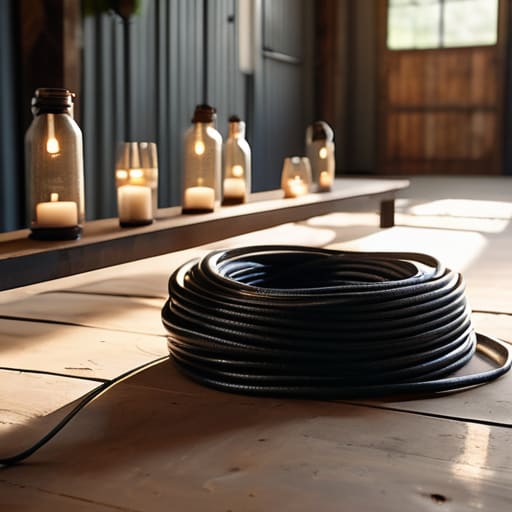
When people talk about sustainable venue selection, they usually focus on the reclaimed timber flooring or the lack of single-use plastics in the bathrooms. That’s fine for the brochure, but if you’re serious about reducing your event carbon footprint, you need to look at the fuse box. I’ve seen “green” weddings fall apart because the couple booked a stunning, remote barn that required three massive diesel generators just to keep the band’s amps from tripping the circuit during the first dance. You can have all the organic bunting you want, but if you’re burning fuel just to keep the lights on, your sustainability math isn’t adding up.
The real work happens in the infrastructure. You need to ask the venue manager about their power capacity and how they manage energy loads during peak service. A venue that is truly prepared for zero waste event management will have a grasp on their energy efficiency, not just a collection of recycled coasters. Before you sign the contract, find out if they have on-site renewable sources or if your entire evening is essentially powered by a loud, smoky machine tucked behind the marquee.
Reducing Event Carbon Footprint Through Logistics Not Just Aesthetics

If you want to talk about reducing event carbon footprint, stop looking at the biodegradable confetti and start looking at the loading bay. Real sustainability isn’t found in a centerpiece made of reclaimed driftwood; it’s found in the transport schedule. Every time a florist, a baker, and a lighting technician all drive separate vans to my venue at 10:00 AM, you’ve already lost the battle. I tell my clients that logistical consolidation is the real secret. If you can coordinate your suppliers to arrive in a single window or share a local freight drop, you aren’t just saving fuel; you’re preventing a bottleneck at my service entrance that would otherwise leave your guests waiting an hour for their first drink.
Then there is the matter of the “stuff” that disappears once the lights go up. Most people think zero waste event management is about avoiding plastic straws, but it’s actually about the unseen waste streams. It’s about the excess linens that get thrown away because they weren’t rented, or the single-use signage that ends up in a skip the moment the last guest leaves. If your plan doesn’t include a way to actually move the leftovers—whether that’s food to a local charity or decor to a second venue—you aren’t being green; you’re just being expensive.
The Real-World Logistics of Going Green
- Stop obsessing over bamboo straws and start looking at your transport plan. If you fly in a keynote speaker from halfway across the world just to sit them on a stage for forty minutes, all those compostable napkins aren’t going to balance the scales. Focus on local talent and digital-first engagement if you actually want to move the needle.
- Audit your catering waste like your life depends on it. Sustainability isn’t just about sourcing local organic carrots; it’s about the math of the leftover tray. If you’re ordering for 200 and three hundred show up, you’ve failed. If you order for 200 and only 140 eat, you’ve wasted money and resources. Plan for the “buffer,” not the “excess.”
- The “Single-Use” Trap in Signage. I see it every week: beautiful, high-end foam-core boards and plastic-coated banners that get printed for a one-day conference and then go straight into a skip. If you aren’t using digital displays or high-quality materials that can be stored and reused for the next three years, you aren’t being sustainable; you’re just being expensive.
- Manage your power draw, not just your lightbulbs. You can have the most efficient LED setup in the city, but if your AV team plugs in a massive, outdated lighting rig that pulls more juice than a small village, your “green” event is a myth. Ask your suppliers for their exact wattage requirements before they arrive on-site.
- The Gift Bag Fallacy. Most event swag is just high-quality landfill. Instead of a bag full of branded plastic pens and cheap notebooks that guests will drop in a hotel bin by morning, pivot to something that actually has a footprint—like a digital voucher, a donation in their name, or a single, high-quality item that doesn’t scream “disposable marketing.”
The Bottom Line on Going Green

At the end of the day, a sustainable event isn’t achieved by swapping plastic straws for bamboo ones while your transport logistics are a total disaster. It’s about the unglamorous work: choosing a venue with a sensible power grid, tightening your guest list to match your floor plan, and ensuring your caterers aren’t generating three bins’ worth of waste because the menu was too ambitious for the setup. If you focus on the logistical backbone—the timings, the waste streams, and the energy requirements—the sustainability part actually becomes part of the plan rather than an expensive afterthought that falls apart when the first guest arrives.
Don’t let the pursuit of perfection paralyze you. You don’t need to host a zero-impact gala to make a difference; you just need to stop making decisions based on how things look in a filtered photograph and start making them based on how they actually function. When you move away from the aesthetic fluff and start managing the real-world footprint of your event, you end up with something better than just “eco-friendly.” You end up with an event that is seamlessly executed, thoughtfully planned, and built to last long after the last person has left the building and the lights have gone down.
Frequently Asked Questions
How do I manage the waste from a high-end buffet without the cleaning crew needing an extra hour—and an extra budget—to clear it all away?
Stop thinking about “waste management” and start thinking about “plate flow.” The chaos happens when the buffet ends and everyone realizes they have a half-eaten steak and a mountain of garnish. You don’t need more cleaners; you need a strategic clearing plan. Use smaller, more frequent plate swaps rather than one massive sweep at the end. If you control the buffet replenishment and the plate return timing, you prevent the pile-up that keeps my crew on the clock.
If I'm pushing for a local-only menu to cut down on transport emissions, how do I handle the inevitable "special dietary requirement" list that clashes with seasonal availability?
Look, the “local-only” dream hits a wall the moment you see the dietary requirements list. You can’t tell a guest with a severe allergy that their meal isn’t available because the local farmer didn’t grow specific gluten-free grains this month. Don’t fight the seasons; fight the menu structure. Build your core menu around what’s actually in the ground, then create a “flexible” framework for dietary needs that relies on versatile, seasonal staples rather than imported specialty items.
Can I actually pull off a zero-waste event without the logistics of managing compost and recycling becoming a bigger headache than the event itself?
You can, but only if you stop treating “zero-waste” like a decor choice and start treating it like a waste management contract. If you think you can just put out a few bamboo straws and call it a day, you’re in for a nightmare. The headache comes when the catering team finishes a service and realizes there’s no clear stream for the organic waste. You don’t need more bins; you need a timed plan for the removal.