I’ve sat through nine hundred weddings, and if there is one thing I’ve learned, it’s that most “complete guide to wedding photography” articles are written by people who have never had to deal with a sudden downpour or a guest list that refuses to move for a portrait. They’ll talk to you about golden hour lighting and color palettes, but they won’t tell you that your photographer is going to be fighting a losing battle against a hungry caterer and a wedding party that’s already eyeing the bar. You don’t need more advice on how to look pretty in a lens; you need to know how to manage the logistical nightmare of getting those shots without missing your own dinner.
I’m not here to sell you on a specific aesthetic or a dreamy lifestyle. What I am going to give you is a reality check based on eighteen years of watching things go sideways from the manager’s office. We are going to talk about the unseen friction—the timing of the transition from ceremony to cocktail hour, how much space your photographer actually needs to work, and why your shot list is probably a recipe for a late license end. This is the practical side of the lens.
Table of Contents
Choosing a Wedding Photographer Who Understands the Chaos
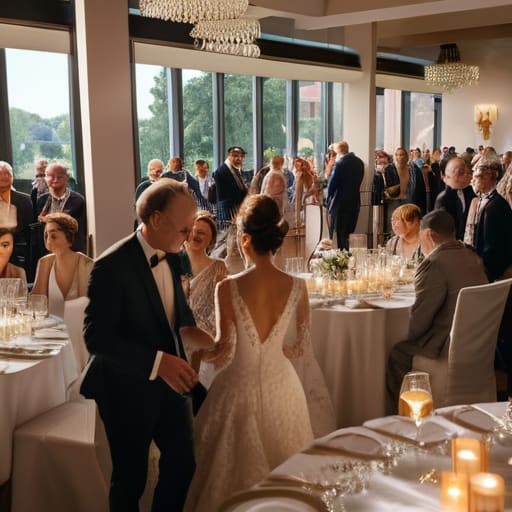
When you’re looking at those glossy portfolios, don’t just look at the lighting or the way the bride’s veil catches the sun. Look at how they handle a room of two hundred people trying to navigate a buffet at the same time. You aren’t just hiring an artist; you’re hiring a tactical operative who needs to move through a crowd without tripping over a waiter or getting in the way of the service. When choosing a wedding photographer, ask them how they handle a sudden downpour or a delayed ceremony. If they look at you like you’ve suggested they perform surgery with a spoon, they aren’t the right fit for a real-world event.
I’ve seen too many couples get caught up in the aesthetics of wedding photography packages and pricing only to realize too late that their photographer doesn’t understand the physics of a room. A good pro knows that a shot list is a suggestion, not a holy text. They need to be able to pivot when the uncle starts an unscheduled speech or when the kitchen runs ten minutes behind. You want someone who can read the energy of the room and knows exactly when to vanish into the shadows and when to step in before the chaos peaks.
Wedding Photography Styles Explained Aesthetic vs Operational Reality
When you’re scrolling through Instagram, every style looks like a dream. You see the “Fine Art” look—all airy, pastel, and soft—or the “Moody” vibe, which is all deep shadows and heavy drama. But here is what the mood boards don’t tell you: style dictates how much time you actually lose. A photographer who specialises in documentary-style candid shots is basically a ghost; they stay out of the way, which is great for your sanity but means you might need a more structured wedding photography shot list to ensure you actually get a photo with Great Aunt Martha before she heads for the car park.
On the flip side, if you go for the traditional, posed aesthetic, you are signing up for a series of choreographed movements. This looks stunning in the final album, but it requires a rigid wedding photo timeline planning approach. If your photographer needs forty minutes for sunset portraits, that is forty minutes where your guests are standing around a cocktail table wondering why the bar hasn’t opened yet. You aren’t just choosing a look; you are choosing how much of your evening is dedicated to being a professional model.
The Logistics of the Lens: 5 Ways to Stop Your Photos from Tanking Your Timeline
- Stop treating the photographer like a ghost. If you don’t build their movement into your run sheet, they will be standing in the corner of your cocktail hour looking awkward while you’re stuck in a three-minute-long queue for the bar. You need to account for their transit time between the ceremony site and the reception room, or you’ll find yourself rushing the guests just so the photographer can catch a sunset shot.
- The “Golden Hour” is a lie if you don’t schedule it. Everyone wants those dreamy, backlit shots, but if you haven’t carved out fifteen minutes during the dinner service—usually when the guests are mid-main and the room is at its loudest—to sneak the couple away, you aren’t getting them. It’s not magic; it’s a gap in the schedule.
- Lighting is a power problem, not a mood problem. If your venue has dimmable lights or heavy velvet curtains, your photographer needs to know. I’ve seen too many weddings where the “romantic” lighting turned the actual photos into a grainy, dark mess because the photographer didn’t have a clear line of sight or enough lumens to work with. Check your venue’s power access and light levels before you commit to a style.
- The “Family Formal” bottleneck is where weddings go to die. If you have forty people to photograph, don’t just tell the photographer “we’ll do them later.” List every single grouping in advance and, more importantly, designate one person—not the bride, not the groom, but a loud-voiced cousin—to gather the people. If you don’t have a human shepherd, you’ll lose twenty minutes of prime light chasing Uncle Bernard for a group shot.
- Buffer your “Must-Have” list with reality. You might want shots of the table settings, the cake, and the floral installations, but remember: those things only exist in a vacuum before the guests arrive and start moving the salt shakers. Tell your photographer to get the “still life” shots during the setup window, not ten minutes before the first course is served, or they’ll be fighting a losing battle against moving glassware and half-eaten bread rolls.
The Final Countdown
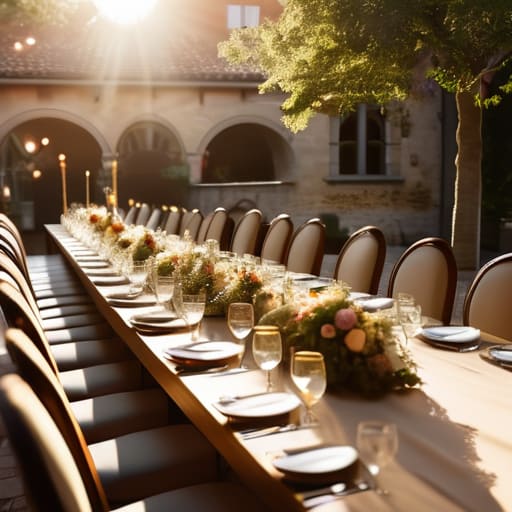
At the end of the day, a great wedding photographer isn’t just someone with a fancy lens and a knack for catching the light; they are a vital part of your logistical engine. You’ve looked at the styles, you’ve vetted their ability to handle a crowd of two hundred people in a cramped courtyard, and you’ve hopefully realized that a beautiful portfolio means nothing if they can’t navigate a shifting timeline. Remember that the best shots often happen in the gaps—the frantic ten-minute turnaround between the vows and the drinks reception, or that quiet moment when the caterers are finally clearing the plates. If you prioritize operational competence alongside that aesthetic vision, you won’t just end up with pretty pictures; you’ll end up with a record of a day that actually ran on time.
Look, I know the spreadsheets and the lighting requirements feel a world away from the romance of the day, but trust me on this: the logistics are what protect the magic. When the photographer knows exactly where to stand before the music even starts, you are free to actually be a human being instead of a production manager. Don’t sweat the minor hiccups or the slightly delayed sunset; once the licence ends and the lights go down, all that will remain are the images. Plan the chaos, budget for the reality, and then let yourself actually enjoy the party. After nine hundred weddings, I can tell you that the best memories aren’t found in a perfectly posed shot, but in the unscripted moments that happen when everything else is working exactly as it should.
Frequently Asked Questions
How much time do I actually need to budget for portraits without making my guests sit around hungry for an hour?
Look, I’ve seen it a dozen times: the couple disappears for forty-five minutes of “golden hour” magic, leaving a hundred hungry guests staring at empty plates and half-empty glasses. It’s a recipe for a grumpy reception. Budget thirty minutes for portraits, max. If you try to squeeze in an hour, you aren’t just taking photos; you’re managing a growing crowd of hangry relatives. Keep the movement tight, or the mood will tank before the first course.
If my photographer is running behind schedule, who is responsible for telling the caterers to hold the food?
That is a question for the person holding the clipboard, not the one holding the camera. If you haven’t appointed a dedicated coordinator, that responsibility falls squarely on you or your venue manager. The photographer is there to capture the moment, not to manage your timeline. If they’re running late, someone needs to step in immediately and tell the kitchen to hold the plates. Cold food is a much harder problem to fix than a missed photo.
How do I make sure the photographer doesn't spend the whole night tripping over the power cables my DJ just laid down?
You don’t solve this with a polite email; you solve it with gaffer tape and a floor plan. Before the first guest arrives, I make my DJ and photographer stand in the same room and look at the floor. If there’s a cable run between the DJ booth and the dance floor, it gets taped down or covered with a ramp. If they aren’t talking about cable management by 4:00 PM, someone’s going down.