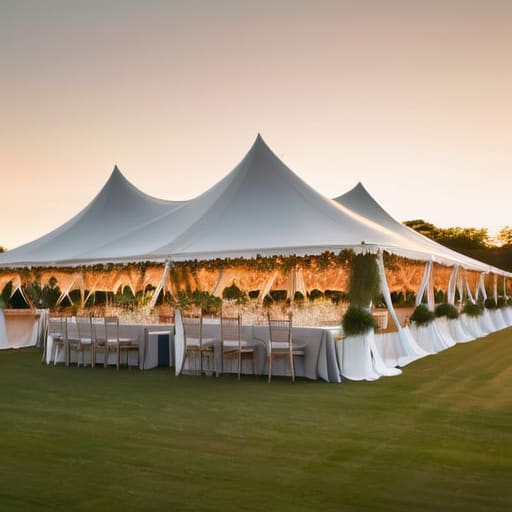
I’ve spent two decades watching people pour their life savings into Pinterest-perfect mood boards, only to realize halfway through setup that they’ve forgotten the most basic rule of physics. You see it every season: a couple falls in love with a photo of a sweeping, ethereal canopy and starts searching for a “complete guide to marquees” that promises nothing but fairy lights and champagne. But nobody tells you that a marquee isn’t just a pretty white tent; it is a complex logistical puzzle that requires a precise calculation of floor load, wind resistance, and—most importantly—the exact footprint required for a caterer who refuses to work in a space the size of a broom cupboard.
I’m not here to sell you on the magic of canvas; I’m here to talk about the reality of the build. In this guide, I’m stripping away the styling fluff to give you the hard truths about power requirements, drainage, and the inevitable “gap” between the ceremony and the first drink. We are going to cover the stuff the brochures ignore: how to manage the transition from guest to diner without a bottleneck, and how to ensure your dream setup doesn’t become an expensive, muddy disaster when the weather turns.
Table of Contents
Managing Event Marquee Structures and Hidden Footprints
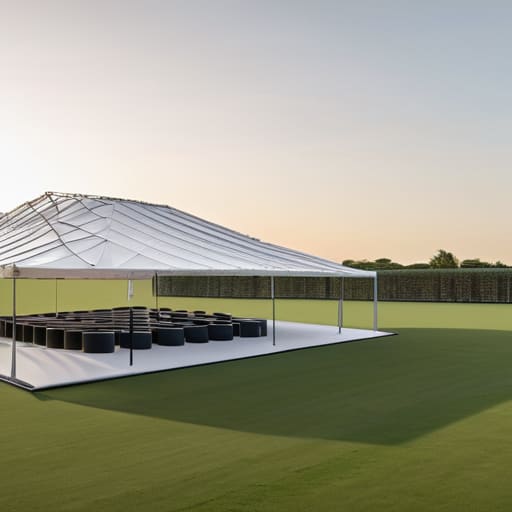
When you look at a site plan, a marquee looks like a neat, clean rectangle. In reality, you have to account for the “ghost footprint”—the extra space required for guy ropes, weights, and the sheer volume of equipment that arrives on the day. If you’re looking at event marquee structures, don’t just measure the internal dimensions. You need to factor in the clearance required for the heavy-duty stakes or the concrete weights that keep the whole thing from becoming a kite in a sudden gust. If you haven’t left a three-metre buffer around the perimeter, you’ll find your caterers tripping over tension cables while trying to navigate a service trolley.
Then there is the ground itself. You can have the most expensive canvas in the world, but if you haven’t planned for marquee flooring options, your guests will be dancing in a mud pit by 9:00 PM. I’ve seen weddings ruined by a single patch of soft earth that turned a luxury setup into a logistical nightmare. Whether it’s wooden sub-flooring or heavy-duty plastic, you need a solid, level surface. Remember: the licence ends at midnight, and nobody wants to be stuck performing a slow-motion trek through a swamp just to reach the car park.
Crucial Marquee Rental Considerations for the Unseen Logistics
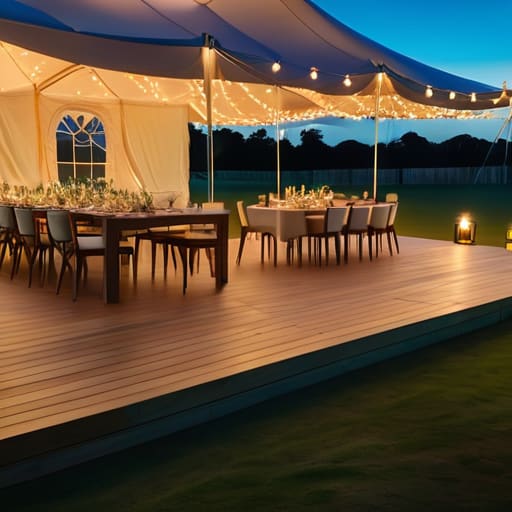
Let’s talk about what happens when the sun goes down or the ground gets soft. Most people look at a marquee and see a pretty white canopy; I look at it and see a potential drainage disaster. If you are planning an outdoor event, you cannot simply assume the grass will hold up under the weight of two hundred guests and a mobile bar. This is where marquee flooring options move from being a luxury to a non-negotiable necessity. If you skip the hard flooring, you aren’t just risking a few muddy shoes; you’re risking a buffet table that wobbles every time someone walks past, which is a nightmare for any caterer trying to serve hot soup.
Then there is the matter of the weather and the kit itself. You need to be asking about marquee installation safety and the weight of the anchors. I’ve seen “budget” setups that look fine in the afternoon, but once a gust of wind hits, they start to behave more like a sail than a shelter. Don’t be afraid to ask your supplier about their use of heavy duty marquee fabrics and how they secure the structure to the specific terrain you’ve booked. If they can’t give you a straight answer on wind ratings, they aren’t a professional outfit; they’re just a tent company.
Five Ways Your Marquee Plan Might Actually Collapse
- The ‘Buffet Bottleneck’ is real. You can have the most beautiful silk-lined canopy in the county, but if you haven’t left a clear, wide path for a hundred hungry guests to move around a long buffet table without tripping over a chair leg, you’ve just created a human traffic jam that will delay your speeches by forty minutes.
- Power isn’t just a plug in the wall. When you’re running a DJ, a professional catering kitchen, and those heavy-duty decorative lights all off one generator, you aren’t just “hoping” it works—you’re gambling. Always ask for the total wattage requirement and ensure your cables aren’t running directly under the feet of people walking to the bar.
- The ‘Dance Floor Trap’. People see a beautiful wooden floor in a brochure and forget that once it’s laid down, it consumes more square footage than you think. If you don’t account for the “buffer zone” around the edge, your guests will be dancing on the toes of the people sitting at the dinner tables.
- Flooring is more than just aesthetics; it’s a safety audit. If you’re putting a marquee on grass, remember that a hundred dancing bodies plus a spilled glass of Prosecco turns that ground into a slip-and-slide. If you aren’t budgeting for proper flooring or heavy-duty matting, you’re asking for a liability issue.
- The ‘Exit Strategy’ timing. You have a licence end time that is set in stone. If your marquee is set up in a way that makes a quick, orderly exit difficult—or if the lighting is so dim guests can’t find the path to the cars—you’ll be fighting a losing battle with the local council and your guests’ tempers simultaneously.
The Final Countdown
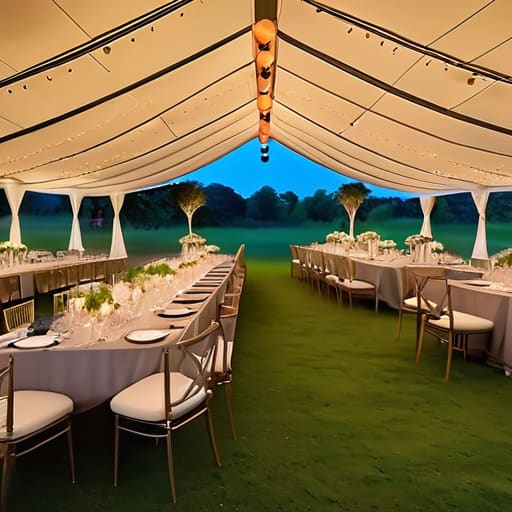
At the end of the day, a marquee isn’t just a piece of decor; it is a temporary building that you are responsible for the physics of. If you haven’t accounted for the power draw of the catering equipment, the drainage for the guest toilets, or the sheer amount of space a buffet line eats up, you aren’t planning a party—you’re planning a bottleneck. You can have the most expensive silk linings and fairy lights in the county, but if your guests are tripping over guy ropes or waiting forty minutes for a lukewarm drink because the bar setup is cramped, the aesthetic won’t save you. Remember that every square metre counts, and logistics is the invisible foundation that keeps the whole thing from collapsing.
I know it sounds unromantic. I know you want to talk about the colour palettes and the floral arches, and I’m not here to kill the mood. But my goal is to make sure that when the music starts and the first toast is raised, you aren’t staring at a fuse box that just blew or a caterer who has nowhere to prep. When the math works and the footprint is respected, the magic actually happens. A perfectly planned marquee allows the event to feel effortless, even though we both know it was hard-won through precision. Get the timings right, respect the licence end, and build your dream on solid ground.
Frequently Asked Questions
How much extra space do I actually need for the "service zone" so the caterers aren't tripping over the wedding guests?
Listen, if you give your caterers just enough room to stand, you’ve already lost the battle. You need a dedicated service zone of at least three to four metres behind the main line. Anything less and you’ll have servers performing a frantic ballet around guests trying to eat their sea bass. You need space for prep tables, hot boxes, and—most importantly—a clear path for them to move without colliding with a bridesmaid or a tray of champagne.
What’s the realistic plan for when the weather turns and the ground becomes a mud pit halfway through the speeches?
You don’t pray for sunshine; you plan for the sludge. If the ground turns to soup, your first priority isn’t the decor, it’s the walkways. I’ve seen a beautiful wedding turn into a survival exercise because someone forgot to budget for heavy-duty flooring or woodchips. You need a clear, stable path from the car to the marquee and from the bar to the toilets. If people are slipping, they aren’t drinking, and if they aren’t drinking, they’re getting restless.
How do I figure out if my existing power supply can actually handle a DJ, a catering kitchen, and the lighting without blowing a fuse ten minutes before the first dance?
You don’t guess this; you audit it. Get a list of every single high-draw item—the catering ovens, the DJ’s subwoofers, the lighting rig—and find their wattage. Add them up. Then, look at your breaker box. If your total load is creeping toward that limit, you’re playing Russian roulette with the first dance. My advice? Don’t rely on one circuit. Run dedicated lines for the kitchen and the band, or just hire a silent generator and sleep better.