I once watched a bride tear up—not because of the vows, but because her sister, who has severe Celiac disease, had been handed a “gluten-friendly” roll that was clearly just a regular sourdough with the crust scraped off. It was a disaster that no amount of expensive floral arrangements could mask. Most wedding blogs will tell you that managing allergies is just about sending out a digital form a month early, but they never mention the chaos of a kitchen trying to serve two hundred people when the vegan, the nut-free, and the dairy-intolerant guests are all staring at their plates like they’re looking at a crime scene. If you want to know how to cater for dietary requirements without looking like an amateur, you have to stop treating them as an afterthought and start treating them as a core part of your logistics.
I’m not here to sell you on fancy, overpriced substitute menus that leave your guests feeling like they’re eating cardboard. My goal is to show you how to build a workflow that actually works when the pressure is on. We’re going to talk about mapping requirements against your service timings, how to communicate with your kitchen so things don’t get lost in the weeds, and why the way you label a plate matters just as much as what’s on it.
Table of Contents
Menu Planning for Special Diets the Math Behind the Flavours
When you sit down with a caterer, they’ll talk to you about “bespoke options” and “inclusive event catering” like it’s a creative exercise in flavor profiling. It isn’t. It’s a math problem. If you have 120 guests and 15 of them are vegan, you don’t just order 15 separate plates and hope for the best. You have to look at the entirety of your menu to see how much overlap you can build in. If your main course is built around a heavy cream sauce, you’ve just doubled your workload and your risk profile.
The real secret to a smooth service is designing a menu where the “special” meals don’t look like an afterthought. I’ve seen too many weddings where the person with a nut allergy gets a sad, lonely pile of steamed vegetables while everyone else is tucking into a masterpiece. That’s not just bad hosting; it’s a failure in menu planning for special diets. You want to aim for a base menu that is naturally inclusive, reducing the need for frantic, last-minute swaps that inevitably lead to mistakes in the kitchen.
Identifying Hidden Allergens Before the First Course Arrives
Here is where most planners lose their nerve. You think you’ve done the job because the RSVP list says “one nut allergy” and “two vegans,” but you haven’t actually looked at the fine print of your ingredients. Identifying hidden allergens isn’t just about checking the label on the bag of flour; it’s about knowing that the “secret sauce” from your boutique caterer contains anchovies or that the vendor’s gluten-free bread was toasted in the same machine as the sourdough. If you aren’t asking your suppliers for full specification sheets, you aren’t managing a wedding—you’re playing a very expensive game of Russian roulette.
You also need to account for the human error factor during the service itself. Even with the best food safety compliance in place, things go sideways when the chaos of a reception hits. A waiter, rushed and sweating under the pressure of a ticking clock, might grab the wrong plate from the pass. This is why I always insist on strict cross-contamination prevention measures that go beyond just “being careful.” You need a physical system—different colored plates, a dedicated service station, or a specific runner—to ensure that the person with the life-threatening allergy isn’t accidentally served the very thing they’re running from.
The Logistics of the Plate: Five Ways to Stop Dietary Requirements from Derailing Your Service
- Stop treating dietary requirements like a side note on a spreadsheet. You need to map every allergy and preference directly to your floor plan and table numbers. If your server has to play detective halfway through the main course because they can’t remember if Table 4 has a nut allergy, you’ve already lost the rhythm of the room.
- The “Special Meal” trap is real. If the vegan option looks like a sad pile of steamed vegetables while everyone else is eating braised beef, you haven’t catered; you’ve just managed to exclude someone. Work with your caterer to ensure the special diet is a deliberate menu item, not a frantic afterthought cooked in a corner.
- Build a buffer into your service timings. Managing a standard service is a clockwork operation; managing a service where three people have complex, multi-step dietary needs is a variable. If you don’t budget an extra ten minutes for the “special” plates to be plated and checked, you’ll be playing catch-up for the rest of the night.
- Brief the floor staff, not just the kitchen. I’ve seen more disasters caused by a waiter saying “I think that’s fine” than by an actual kitchen error. Every person carrying a tray needs to know exactly which plate belongs to which requirement. If they aren’t 100% sure, they shouldn’t be placing that plate on the table.
- Check the “invisible” ingredients in your bread baskets and amuse-bouches. People often forget that the dietary requirements start the second they sit down. If you’ve accounted for the main course but forgotten that the welcome bread contains gluten or the starter has dairy, you’re setting yourself up for a very awkward conversation with a guest halfway through the first drink.
The Final Check Before the Doors Open
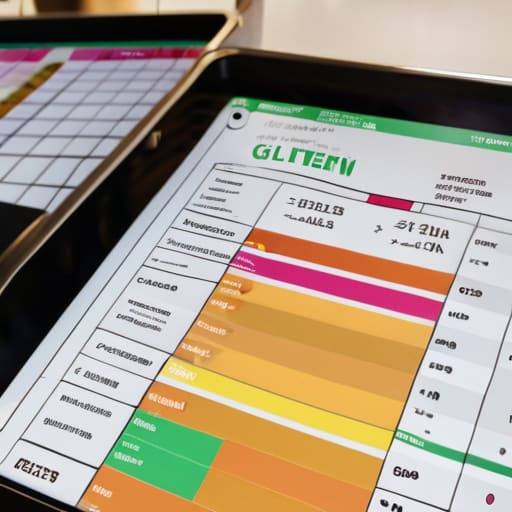
At the end of the day, managing dietary requirements isn’t about being a culinary genius; it’s about rigorous, unglamorous data management. You have to bridge the gap between the RSVP spreadsheet and the kitchen’s prep list, ensuring that the gluten-free guest isn’t just an afterthought, but a logistical certainty. If you haven’t mapped those requirements against your service flow and verified them with your catering lead, you aren’t planning an event—you’re just hoping for the best. And in my experience, hope is not a strategy when the first course is hitting the table and the clock is ticking toward your licence end.
When you finally get it right, the magic isn’t in the food itself, but in the fact that nobody notices the effort. The most successful events are the ones where the guests with allergies feel completely invisible in the best possible way—they eat, they drink, and they stay focused on the person at the head table rather than their own plate. If you do the hard, invisible work of planning for the outliers now, you create a space where everyone can actually enjoy the moment. A seamless meal is the foundation of a seamless evening, and that is worth every extra minute of planning.
Frequently Asked Questions
How do I stop guests from changing their minds or "forgetting" their dietary requirements halfway through the reception?
The “I forgot” guest is the bane of every service team’s existence. You can’t stop human error, but you can stop it from derailing your timings. Stop treating dietary requirements as a polite request and start treating them as a hard data point. Your RSVP system needs to be a gatekeeper, not a suggestion box. If they don’t flag it by the deadline, they’re eating the standard menu. You have a kitchen to run and a licence to respect; you aren’t a short-order cook.
At what point in the timeline do I actually need to give the final numbers to the kitchen so I'm not paying for meals that never get eaten?
You need those numbers locked in fourteen days out—minimum. Any later and you’re not planning; you’re gambling. Most venues and caterers require a final headcount two weeks before the event to finalize orders. If you try to squeeze them for a “final-final” count forty-eight hours before the licence ends, you aren’t just risking a hungry guest; you’re paying for the premium ingredients they’ve already bought. Lock the door, freeze the numbers, and stop the bleeding.
How do I manage the service flow so the person with the severe allergy doesn't feel like they're being served a completely different event while everyone else eats?
The secret isn’t about special plates; it’s about synchronized timing. If you serve the allergy-safe meal ten minutes after everyone else, that guest spends ten minutes staring at an empty place setting feeling like a problem to be solved. You need to bake the “special” meal into the standard service flow. The kitchen should treat the dietary requirement as a standard ticket, not an afterthought, so the plate hits the table exactly when the rest of the room does.