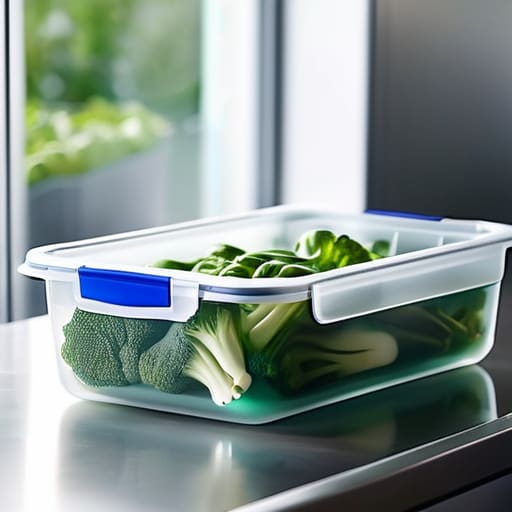
I once watched a wedding caterer try to move a massive tray of seafood prawns from a van to a buffet table in the middle of a July heatwave, thinking a couple of bags of ice and a “can-do” attitude would suffice. It didn’t. By the time the speeches started, that tray wasn’t a luxury appetizer anymore; it was a biological hazard. Most people think learning how to store and transport food safely is about buying the most expensive thermal containers on the market or following some high-tech checklist, but they’ve got it wrong. It’s actually about the unglamorous, gritty details of transit times, ambient temperature, and physical space—the stuff that determines whether your guests are raving about the menu or checking their phones for the nearest pharmacy.
I’m not here to sell you on fancy gadgets or give you a lecture that sounds like a health and safety manual. I’m going to tell you how this actually works when the pressure is on and the clock is ticking toward the licence end. We are going to strip away the fluff and focus on the logistical reality of moving food from point A to point B without it turning into a disaster.
Table of Contents
Defeating the Danger Zone Temperatures in Transit
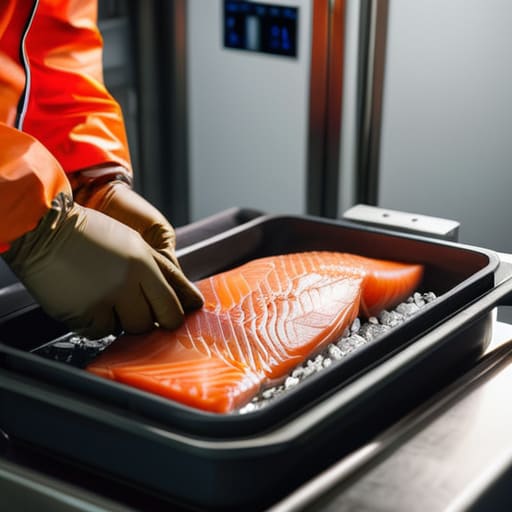
Let’s talk about the “danger zone.” In my world, that isn’t a metaphorical place of stress; it’s the specific temperature window between 40°F and 140°F where bacteria decide to throw a party in your salmon. If your catering van is idling in a loading bay for forty minutes while you hunt for a misplaced guest list, you aren’t just losing time—you are actively preventing foodborne illness from becoming a headline. I’ve seen too many beautiful spreads ruined because someone thought a standard cardboard box was a substitute for actual thermal management.
To beat the clock, you need more than just luck; you need a system. Don’t rely on the air conditioning in a car that’s struggling against a summer heatwave. Invest in high-grade insulated cooler bags and, more importantly, use them correctly. Pack your perishables tightly; air is the enemy of temperature stability. If you’re moving delicate items, treat the transit like a military operation. Every minute spent sitting in traffic is a minute your food is fighting a losing battle against the thermometer. Plan your route, check your ice levels, and remember: the temperature doesn’t care about your schedule.
Perishable Food Handling Beyond the Kitchen Door
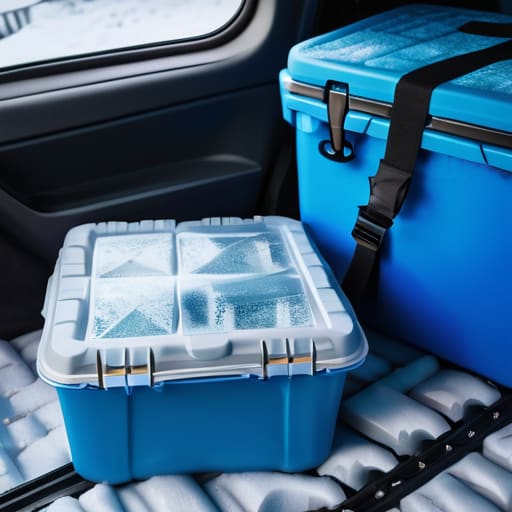
Once the food leaves the controlled environment of a professional kitchen, you are essentially operating in a mobile war zone. Most people think the risk ends when the caterer packs the van, but that’s when the real battle against perishable food handling begins. You aren’t just moving plates; you are managing a ticking clock. If you’re DIY-ing a buffet or managing a small boutique spread, you cannot rely on the ambient temperature of a car trunk or a lukewarm delivery van. You need to treat every transit leg like a high-stakes mission, utilizing high-grade insulated cooler bags and heavy-duty ice packs to act as your temporary mobile fridge.
The second mistake I see—and it’s a costly one—is the total lack of spatial awareness regarding cross-contamination prevention. I’ve seen well-meaning hosts pack raw garnishes right up against cooked proteins in a cramped transport box, completely undermining any effort made to keep things cold. If you don’t create physical barriers between different food groups during the journey, you’re essentially inviting a disaster. It’s not just about keeping things chilled; it’s about ensuring that the integrity of the meal remains intact from the moment it’s plated until the first guest picks up a fork.
The Real-World Checklist: Five Ways to Keep the Chaos at Bay
- Don’t trust a “cool” car. Just because it’s air-conditioned doesn’t mean your seafood is safe; if you aren’t using heavy-duty insulated carriers or professional-grade cool boxes, you’re essentially just running a mobile sauna for your catering.
- The “One-Trip” Rule is a lie. If you’re trying to move everything from the van to the service station in one frantic rush, you’re leaving high-risk items sitting on a hot loading dock for twenty minutes—which, in my experience, is exactly when things go south.
- Respect the Load-In Window. You need to work backward from the first plate hitting the table; if your transport arrival time doesn’t account for traffic, unloading, and getting the food into a stable temperature, your schedule is already dead in the water.
- Stop treating containers like Tetris. If you cram everything into a van without leaving space for airflow, the heat trapped in the middle of that pile will cook your perishables before you even reach the venue gates.
- Assign a “Food Guardian.” Never let the person driving the van also be the person responsible for the setup; you need one set of eyes dedicated solely to checking that the temperature hasn’t spiked the moment the doors opened.
The Final Countdown
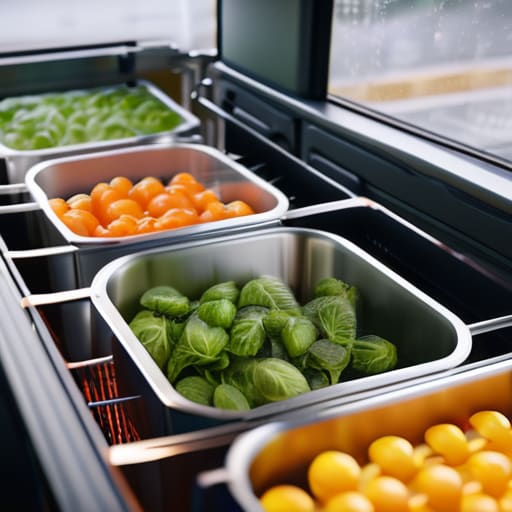
At the end of the day, food safety isn’t about following a checklist to satisfy a health inspector; it’s about managing the gap between the kitchen and the table. You’ve looked at the temperature math, you’ve planned the transit routes, and you’ve accounted for the extra space the catering team actually needs to move. If you ignore the logistical reality of how heat travels in a van or how quickly a buffet wilts under stage lights, you aren’t just risking a bad review—you’re risking the health of every guest in the room. Remember, the most expensive menu in the world is worthless if it arrives at the venue as a logistical liability rather than a meal.
I know it feels like a lot of heavy lifting, and frankly, it is. While the wedding planners are busy debating the exact shade of sage for the napkins, you need to be the one worrying about the insulation in the delivery crates. But here is the truth: when you nail these invisible details, you create the illusion of magic. When the food arrives on time, at the right temperature, and looking exactly as intended, the guests don’t notice the sweat and the math behind it—they just think it was effortless. Plan for the chaos, respect the clock, and you’ll find that the most successful events are the ones where nobody noticed the logistics at all.
Frequently Asked Questions
How much space do I actually need to reserve in the van for catering gear if I'm not using a professional transport company?
If you’re thinking a standard hatchback will do, stop right there. You aren’t just moving food; you’re moving ovens, cambros, stacks of linen, and enough glassware to sink a small boat. For a decent-sized event, you need a long-wheelbase van, not a family car. Budget at least 4 to 6 cubic metres of floor space. If you haven’t accounted for the extra metre needed just for the catering team’s kit, your “logistics” are already failing.
What happens to the food safety plan if the delivery driver gets stuck in traffic for an hour during peak heat?
That’s when your “plan” meets reality, and reality usually wins. If that driver is sitting in gridlock with a van full of prawns and mayo, your food safety plan just became a salvage operation. You don’t wing it. You check the internal temps immediately. If they’ve drifted into the danger zone, you bin it. It’s a hard pill to swallow, but I’ve seen a thousand-pound platter go south in forty minutes. Better a late course than a mass poisoning.
How do I manage the hand-off between the delivery driver and the venue staff without losing track of the temperature logs?
The hand-off is where the plan usually hits the fan. Don’t just let the driver drop the crates and vanish. You need a designated ‘Receiver’—someone who isn’t busy pouring wine—to meet them at the loading bay. The second that van door opens, you check the temp, log it immediately on a physical clipboard or a shared sheet, and sign off. If you wait until they’re in the kitchen, you’ve already lost the trail.