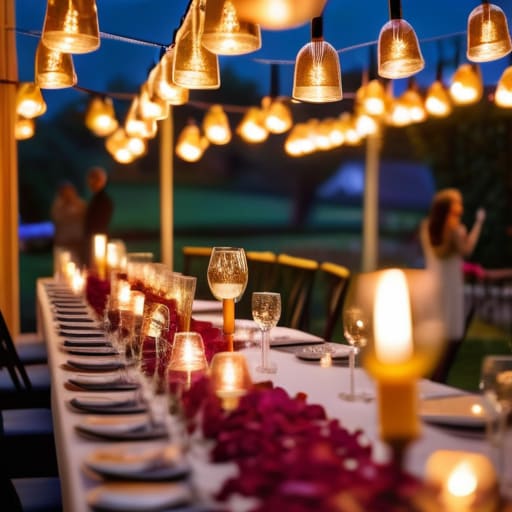
I spent three hours last Saturday watching a bride’s mother agonize over the shade of sage for the linen napkins while the caterer was practically weeping in the service corridor because there wasn’t enough clearance for the hot plates. It’s the classic trap: everyone thinks they know how parties and celebrations are planned because they’ve scrolled through a thousand curated Pinterest boards, but they’ve completely ignored the physics of the room. You can have the most expensive floral installation in the county, but if your guests are standing in a stagnant queue for twenty minutes because the bar layout is a bottleneck, that “dream wedding” is actually a logistical disaster in a very pretty dress.
I’m not here to talk to you about color palettes or the emotional significance of a centerpiece. My job is to tell you how things actually work when the music is playing and the clock is ticking toward the licence end. I’m going to pull back the curtain on the invisible architecture of a successful event—the timings, the power requirements, and the spatial math that keeps a room moving. If you want to understand how parties and celebrations are planned so they actually function without a meltdown, you’re in the right place.
Table of Contents
Beyond the Mood Board Real Party Theme Development
I see it every weekend: a couple walks in with a Pinterest board that looks like a fever dream of gold leaf and heavy velvet. They call it “party theme development,” but if you ask me, they’re actually designing a logistical nightmare. A theme isn’t just a colour palette; it is a set of physical demands. If your theme requires three hundred hand-blown glass votives and floor-to-ceiling floral installations, you aren’t just picking an aesthetic—you are fundamentally altering the event timeline creation process. You have to account for the extra hour of setup, the increased risk of a broken glass incident, and the sheer amount of table space those “minimalist” centrepieces actually consume.
Don’t get me wrong, I love a cohesive look, but a theme that ignores the reality of the room is just expensive clutter. Before you commit to a concept, run it through a mental stress test: Does this theme require more power than the venue provides? Does it create bottlenecks that will turn your cocktail hour into a mosh pit? A great theme should complement the space, not fight it. If your vision requires more spatial logistics than the floor plan allows, it isn’t a theme; it’s a collision waiting to happen.
Venue Selection Tips for the Pragmatic Host
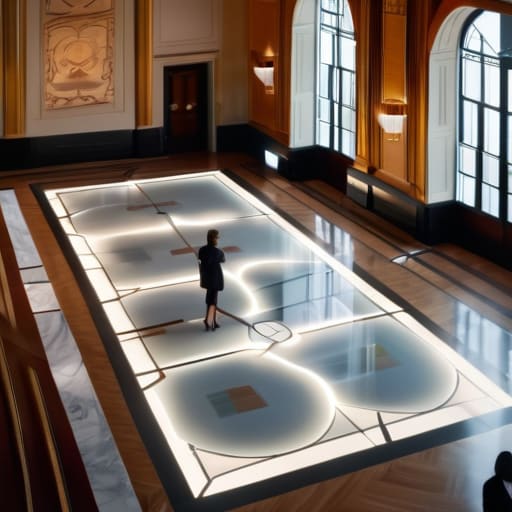
When you’re touring a space, stop looking at the drapes and start looking at the floor plan. Most people walk into a room, see the lighting, and think, “That’s lovely.” I walk into a room and see a potential bottleneck. You need to ask the hard questions: Where is the service entrance? How far is the walk from the ceremony spot to the bar? If your guest list management has led you to invite 150 people, but the only way to reach the buffet is through a narrow corridor used by the waitstaff, you haven’t booked a venue; you’ve booked a mosh pit.
Don’t let a pretty ballroom mask a logistical nightmare. I’ve seen more events derailed by a lack of power outlets for the band or a kitchen that’s a ten-minute trek from the dining tables than by any bad floral choice. When you are doing your venue selection tips walkthrough, bring a tape measure and a mental timer. If the venue doesn’t have a clear plan for the turnaround between the meal and the dancing, your event timeline creation is going to be a work of fiction. You aren’t just renting a room; you are renting a machine that has to function without breaking down.
The Logistics of the "Perfect" Moment: 5 Reality Checks for Your Planning
- Stop planning for the arrival and start planning for the transition. Everyone focuses on the grand entrance, but the real chaos happens in the “dead air”—that twenty-minute gap between the ceremony ending and the first drink being poured. If you haven’t accounted for the time it takes 120 people to move from a garden to a marquee, you’re not planning an event; you’re planning a bottleneck.
- The “Power and Water” Audit. I’ve seen a £50,000 wedding nearly go dark because the florist brought in ten extra uplights and the caterer plugged in a warming oven on the same circuit. Before you sign anything, ask the venue exactly which outlets are on which breakers and whether your “dream” lighting setup is going to trip the fuse halfway through the first dance.
- Respect the Licence End like it’s a hard deadline from the taxman. You cannot negotiate with a local council or a noise ordinance. If your licence ends at midnight, your music doesn’t “fade out” at 11:55; it stops. Plan your timeline so the “big moment” happens at 11:00, giving you a buffer for the inevitable guest who refuses to leave the dance floor.
- Calculate the “Bar Throughput.” A cocktail hour looks great on Pinterest, but if you have sixty people wanting a Gin & Tonic at 7:00 PM and only one bartender, your “effortless” social hour will actually be sixty people standing in a silent, frustrated queue. Match your guest count to your service capacity, not your budget.
- The Three-Metre Rule for Vendors. Your caterer isn’t just a person with a tray; they are a small, moving army. If you’ve squeezed the dining tables into a space that leaves them no room to navigate with a hot plate or a trolley, the service will be slow, the food will be cold, and the “seamless” experience will fall apart before the mains are even served.
The Reality of the Finish Line
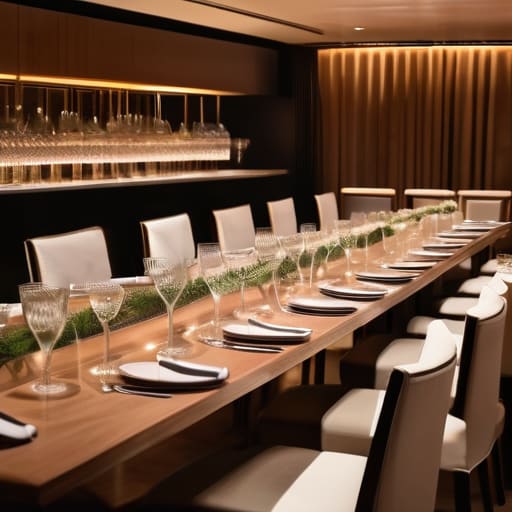
At the end of the day, planning a great event isn’t about chasing a Pinterest aesthetic until your eyes bleed; it’s about the invisible scaffolding that keeps the whole thing from collapsing. We’ve talked about moving past the mood boards, picking a venue that actually has the power supply to handle your vision, and understanding that your theme is only as good as the logistics supporting it. If you focus on the flow of people, the timing of the service, and the physical realities of the space, you’ve already won half the battle. You can have the most expensive floral installation in the county, but if your guests are standing in a stagnant queue for forty minutes because you didn’t account for bar capacity, they won’t remember the peonies—they’ll remember the thirst.
My advice? Stop trying to plan for perfection and start planning for movement. The most successful celebrations I’ve managed weren’t the ones that looked like a magazine spread, but the ones where the transitions were so seamless that nobody even noticed the work happening behind the scenes. When the logistics are tight and the timings are respected, you create the one thing money can’t actually buy: the freedom for your guests to actually enjoy themselves. Build your event on a foundation of practical reality, and I promise you, the magic will take care of itself.
Frequently Asked Questions
How do I build a realistic timeline that accounts for the inevitable "human delays" without pushing my licence end into a noise complaint?
Stop planning for the “best-case scenario” and start planning for the “Uncle Dave scenario.” Every timeline needs a twenty-minute buffer for the inevitable wedding party delay or the guest who refuses to leave the bar. I build my schedules by working backward from the licence end. If the music has to stop at midnight, your last dance is at 11:40, not 11:55. If you don’t build in that padding, the chaos will eat your evening alive.
What are the hidden logistical costs that most planners omit from their initial budget estimates?
You’re looking at the florist and the DJ, but you’ve forgotten the “invisible” line items. I’ve seen budgets crumble because someone didn’t account for the power drop needed for a high-end lighting rig, or the extra staffing required when the cocktail hour runs twenty minutes late. Then there’s the delivery access fees, the vendor meal costs, and the inevitable “miscellaneous” surge when you realize your chosen layout requires three more tables than you actually budgeted for.
How do I manage the transition between a formal ceremony and a seated dinner when the venue turnaround time is tighter than I expected?
Stop looking at the floral arrangements and start looking at the clock. If you’ve only got forty-five minutes to flip a room, you cannot have a seated cocktail hour in the same space. You need a “buffer zone”—a separate area where guests can grab a drink and be distracted while my team moves the tables behind the scenes. If you try to multitask a room flip while guests are standing there watching, you’ll lose the schedule, and once you lose the schedule, the kitchen loses the food.