I spent three hours last Saturday watching a wedding dissolve into a slow-motion car crash, all because the couple had spent six months obsessing over the exact shade of sage green for the napkins but hadn’t given a single thought to how to build a running order that actually accounts for human physics. They had a forty-minute gap between the ceremony and the first course—a “buffer” they thought was romantic—which in reality just meant two hundred hungry guests wandering aimlessly around a cocktail area with nothing to do but stare at each other while the caterers scrambled to find the extra serving spoons.
I’m not here to sell you on the fairytale version of event planning found on Pinterest. I’m going to show you the invisible scaffolding that actually keeps a room from descending into chaos. We aren’t going to talk about aesthetics; we are going to talk about the hard math of movement, the reality of the licence end, and the precise logistics required to ensure your guests are actually having a drink in their hands when the music starts.
Table of Contents
The Event Rundown Structure Planning for the Gaps
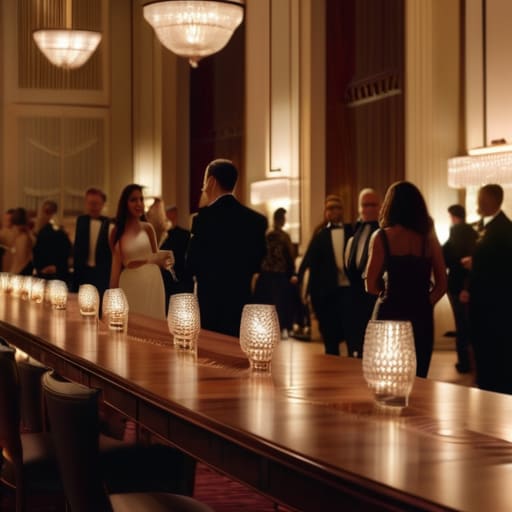
Most people treat a timeline like a series of dots connected by straight lines. They plan for the toast, then they plan for the first dance, and they assume the space between those dots just… happens. It doesn’t. That’s where the chaos lives. When you are designing your event rundown structure, you aren’t just scheduling moments; you are scheduling the movement of human beings and heavy equipment. If you don’t account for the fifteen minutes it takes to move sixty people from a cocktail area to a dining room, you haven’t built a schedule—you’ve built a recipe for a bottleneck.
I’ve seen weddings stall because the couple forgot that a photographer needs light, a caterer needs a clear path to the kitchen, and the DJ needs to test his levels before the room is full. You need to build in “buffer blocks.” Think of these as the shock absorbers for your day. Instead of a rigid event production schedule template that assumes everything will go perfectly, I want you to plan for the friction. If you don’t budget for the transition, you’ll end up spending your entire evening apologizing for why the food is late or why the music hasn’t started.
Coordinating Event Transitions Before the Guests Notice

Transitions are where the illusion of a seamless event either holds or shatters. Most people think a wedding or a conference is a series of discrete moments, but in reality, it is a continuous flow of moving parts. If you aren’t coordinating event transitions with military precision, your guests won’t see a “magical evening”—they’ll see a hundred people standing awkwardly in a foyer waiting for a door to open. I’ve seen more events derailed by a twenty-minute delay in moving from the ceremony to the drinks reception than by any actual technical failure.
To avoid this, you need to treat your timeline as a living document of movement, not just a list of speeches. This is where a solid event production schedule template becomes your best friend; it shouldn’t just say “Dinner at 7:00 PM,” it needs to account for the ten minutes it takes to clear the cocktail tables and the five minutes it takes for the catering staff to find their rhythm. You have to plan for the friction of human movement. If you don’t build in those buffers, you aren’t managing an event—you’re just chasing a disaster that’s already started.
Five Hard Truths About Making Your Timeline Stick
- Build in the ‘Buffer of Chaos.’ If you think a room turnaround takes twenty minutes, budget forty. Between the florist moving centerpieces and the catering team realizing they’ve run out of bread rolls, that twenty-minute window will vanish before the first guest even finds their seat.
- Respect the Licence End like it’s a hard wall. I’ve seen planners try to squeeze a final toast at 11:55 PM when the music has to stop at midnight. It doesn’t work. Work backwards from the exit, not forwards from the entrance; if the music stops at twelve, your last dance needs to be finished by eleven-forty-five, or you’ll be ushering a room full of grumpy, half-drunk people toward the door.
- The ‘Drink in Hand’ Metric. A running order that leaves guests standing in a corridor for forty-five minutes while you ‘set the scene’ is a failed schedule. If there is a gap in your timeline longer than fifteen minutes where people aren’t eating, drinking, or being entertained, you haven’t built a schedule; you’ve built a queue.
- Audit your speeches against the hunger levels of your guests. A three-part speech marathon right before the main course is a recipe for a room full of people checking their watches and eyeing the kitchen door. Keep the talking to the moments when people are already seated and the wine is flowing, or better yet, do them after the food is cleared.
- Factor in the ‘Human Lag.’ People do not move like clockwork. They move like people—they stop to chat, they struggle with heels, and they take longer to find the bathroom than you think. If your schedule assumes every guest will move from the ceremony to the cocktail hour in exactly three minutes, you’ve already lost the battle.
The Final Countdown
At the end of the day, a solid running order isn’t about controlling every single second; it’s about managing the friction points where things usually slide into chaos. You’ve looked at the gaps, you’ve accounted for the caterer’s footprint, and you’ve factored in the inevitable delay of a guest who needs an extra ten minutes to find the restroom. Remember that your timeline is a living document, not a religious text. If the speeches run long or the photographer gets caught in a bottleneck, your job isn’t to panic—it’s to look at the licence end, count backwards, and adjust the remaining blocks so the guest experience doesn’t suffer. Logistics are the silent partner of a great event, and once those transitions are smoothed out, you’ve already won half the battle.
People will remember the laughter, the music, and the way the room felt when the lights went down, but they won’t remember the thirty minutes of seamless movement that allowed those moments to happen. When you build a schedule that respects the flow of human behaviour rather than fighting against it, you create something rare: an event that feels entirely effortless. Don’t let the pursuit of a perfect aesthetic distract you from the necessity of a perfect plan. Build the scaffolding strong, keep your eyes on the clock, and then—once the heavy lifting is done—step back and actually enjoy the party.
Frequently Asked Questions
How much "buffer time" do I actually need between the ceremony and the first drink without making guests feel like they're being ignored?
Forty-five minutes is your sweet spot. If you aim for thirty, you’re sprinting against the clock the moment the ceremony runs late—and it always does. If you push to an hour, guests start eyeing the bar and getting restless. You need that window to clear the room, reset the tables, and let the catering team find their rhythm. Remember, the guests aren’t being ignored; they’re just waiting for the logistics to catch up.
What happens to the running order if the photographer gets delayed or the caterer is running twenty minutes behind schedule?
When the caterer is twenty minutes late or the photographer is stuck in traffic, you don’t panic; you pivot. You look at your licence end and work backwards. If dinner is delayed, you stretch the drinks reception or move the speeches up. You never, ever push the end time—the council doesn’t care about your late risotto. You use the “buffer” you built into the gaps. A good running order isn’t a rigid script; it’s a shock absorber.
How do I balance a tight, professional schedule with the reality that some guests—and some speeches—will inevitably run over?
You don’t balance it; you build in “buffer zones.” If you schedule every minute like a Swiss watch, one uncle with a sentimental streak and a glass of whiskey will wreck your entire evening. I always build fifteen-minute “breathing spaces” after speeches or before the first dance. It’s not wasted time; it’s insurance. You’re trading a little bit of rigid structure for the ability to stay unflappable when the inevitable happens.