I once watched a couple spend six months obsessing over the exact shade of sage for their linen napkins, only to have their entire reception budget implode during the final tasting. They wanted a summer berry tart in the dead of February, and they were shocked when the caterer’s quote came back looking like a mortgage payment. People treat wedding planning like a Pinterest board, but they forget that nature doesn’t care about your aesthetic. They don’t realize that understanding how seasonality affects catering cost is the difference between a seamless service and a frantic kitchen staff trying to source out-of-season strawberries at triple the price.
I’m not here to sell you on “farm-to-table” buzzwords or tell you that a seasonal menu is a magical journey for your palate. I’m here to tell you how the logistics of the calendar actually work when the invoices start arriving. I’ll be stripping away the fluff to show you where the hidden premiums live, why certain months are a minefield for your wallet, and how to build a menu that looks expensive without breaking your bank before the first toast is even poured.
Table of Contents
The Chaos of Seasonal Ingredient Price Fluctuations
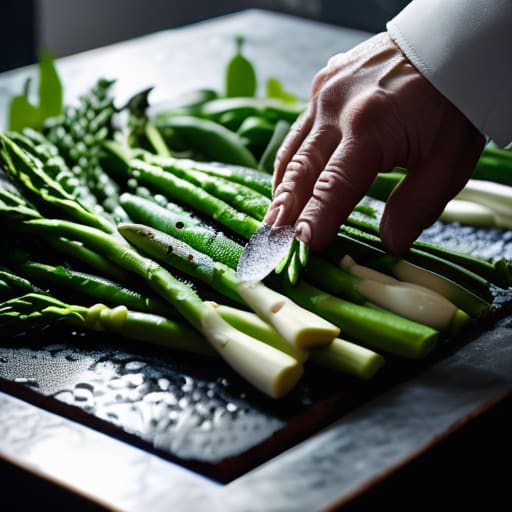
Here is the reality of the kitchen: a menu isn’t a static document; it’s a living, breathing gamble. You can sit down in January and design a beautiful spring menu with asparagus and peas, but if a sudden frost hits or a shipping delay occurs, those prices don’t just tick up—they skyrocket. This is where seasonal ingredient price fluctuations turn a profitable wedding into a logistical nightmare. I’ve seen planners get caught out by thinking a “premium” ingredient is a fixed cost, only to realize mid-prep that the supply chain has buckled, and suddenly that sea bass is costing them double what they quoted the client.
When you’re managing a venue, you learn that menu planning for cost control is less about being a chef and more about being a strategist. If you aren’t tracking the volatility of the market, you aren’t running an event; you’re running a charity. You have to build in buffers for the moment the supplier calls to say the strawberries are unavailable or, worse, priced like gold dust. It’s not about being stingy; it’s about knowing that if you don’t account for the chaos of the seasons, your margins will vanish before the first course even hits the table.
Supply Chain Impact on Food Costs and Delivery Timings
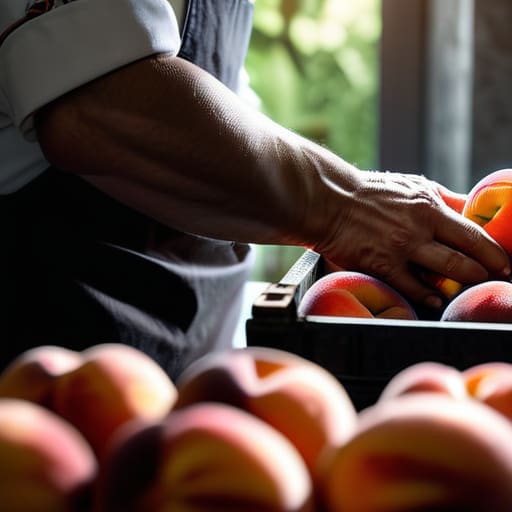
Here is the reality of the supply chain: it’s a fragile web, and seasonality is the wind that knocks it down. When you insist on a menu that fights the calendar, you aren’t just fighting the price tag; you’re fighting the delivery van. If a sudden frost hits the southern orchards, your supplier isn’t just going to tell you the peaches are gone; they’re going to tell you the price has doubled, or worse, that they won’t arrive until Tuesday. For a venue manager, that’s a nightmare. If your salmon delivery is delayed because of a logistics hiccup during a peak season, you aren’t just looking at a budget deficit—you’re looking at a service gap that no amount of apology can fix.
This is why optimizing catering menus by season is the only way to keep the gears turning. It’s not about being a culinary purist; it’s about survival. When you lean into what’s actually moving through the local hubs, you mitigate the supply chain impact on food costs and ensure that what was promised on the tasting menu actually shows up on the plate. I’ve seen too many planners try to force a summer menu in November, only to realize they’ve traded a predictable cost for a logistical gamble that the venue simply can’t afford to lose.
Five Ways to Stop the Seasons from Eating Your Budget
- Build your menu around what’s actually growing, not what’s in a glossy magazine. If you insist on serving asparagus in November, you aren’t just paying for the vegetable; you’re paying for the carbon footprint, the air freight, and the premium price tag that comes with forcing nature to do something it doesn’t want to do.
- Embrace the “flex menu” approach. Tell your caterer you want a specific dish, but give them permission to swap the specific produce based on what the market is actually offering that week. It gives them breathing room to hunt for better margins and saves you from a sudden invoice spike forty-eight hours before the wedding.
- Watch the “Specialty Ingredient Trap.” Every wedding planner loves a specific, out-of-season berry or a particular herb that looks great in a centerpiece. I’ve seen budgets blow out by thousands because a couple wanted a specific summer aesthetic in the middle of a frost-bitten February. If it isn’t in season, find a substitute that looks similar but doesn’t cost a king’s ransom.
- Plan for the “Middle Ground” of local sourcing. There is a sweet spot between “expensive imported luxury” and “cheap frozen nothing.” Work with your caterer to find local producers who have a steady, seasonal rhythm. It stabilizes your costs and means your food actually tastes like something, rather than a lukewarm compromise.
- Factor in the “Logistical Surcharge” of seasonality. When the weather turns or the harvest is late, supply chains tighten and delivery windows shrink. If you’re planning a high-stakes event during a season known for volatile produce prices, build a 10% “market fluctuation” buffer into your catering line item. It’s better to have a surplus than to be explaining to a bride why the salmon cost twice what it did during the tasting.
The Bottom Line on the Plate
At the end of the day, managing a catering budget isn’t about finding a magic way to make expensive ingredients cheap; it’s about understanding that the calendar is a non-negotiable stakeholder in your event. You can try to fight the seasons by demanding out-of-season produce, but you’ll end up paying a premium for the privilege of mediocre flavour and a logistical nightmare of supply chain delays. Whether it’s the sudden spike in vegetable prices or the headache of a supplier failing to deliver because of a frost, the cost of seasonal shifts is felt in both the invoice and the timing of your service. If you don’t account for these fluctuations, you aren’t just risking your budget; you’re risking the seamless flow of the entire evening.
My advice? Stop trying to force a June menu into a November wedding. When you lean into what the earth is actually doing at that moment, you stop fighting the logistics and start working with them. A menu built around seasonal availability isn’t just more cost-effective; it’s inherently better, fresher, and far more reliable under pressure. The most successful events I’ve managed aren’t the ones with the most expensive imported delicacies, but the ones where the food arrived on time, tasted exactly as it should, and didn’t break the bank before the first toast was even made. Plan for the reality of the season, and the rest will follow.
Frequently Asked Questions
If we insist on a specific ingredient that's out of season, how much of a "logistics tax" should we actually expect to see on the final invoice?
If you’re dead set on strawberries in January, you aren’t just paying for the fruit; you’re paying for the flight, the specialized packaging, and the premium for the supplier who has to play hero. Expect a “logistics tax” of at least 30% to 50% on that specific line item. It’s a vanity cost. You can have your out-of-season centerpiece, but don’t act surprised when the invoice reflects the sheer effort of making it happen.
Can we mitigate these price spikes by being more flexible with the menu, or does the caterer usually just bake a buffer into the price regardless?
Look, if you want to save money, flexibility is your only real lever. If you hand a caterer a rigid menu featuring asparagus in mid-winter, they aren’t just charging you for the veg; they’re charging you for the risk of that asparagus arriving wilted or double the price. Most will bake a “buffer” in to protect their margins, but a smart, flexible menu lets them source what’s actually abundant and affordable. Don’t fight the calendar; work with it.
How much does the timing of the event—like a mid-winter wedding versus a summer garden party—impact the actual cost of the service beyond just the food itself?
It’s not just the strawberries; it’s the infrastructure. A summer garden party is a dream until you realize you’re paying a premium for marquee rentals, portable toilets, and industrial fans just to stop people from melting. Conversely, a mid-winter wedding demands heating units and heavier service staff to keep the momentum going when the sun dies at 4:00 PM. You aren’t just buying a menu; you’re paying for the battle against the elements.