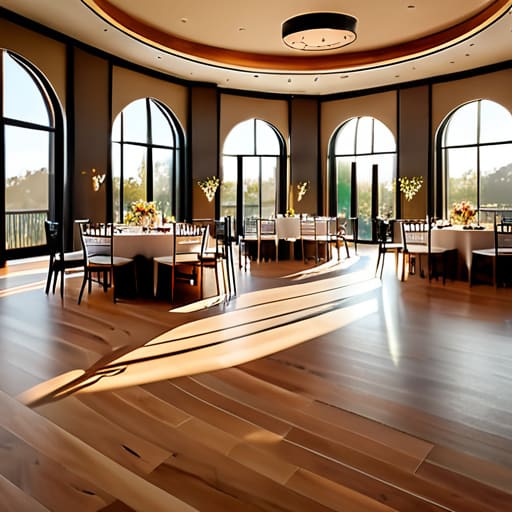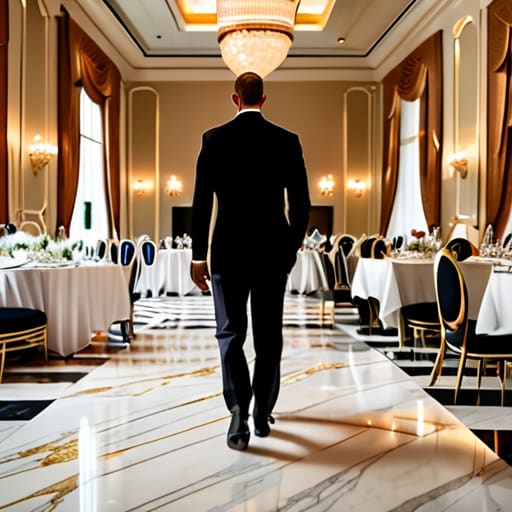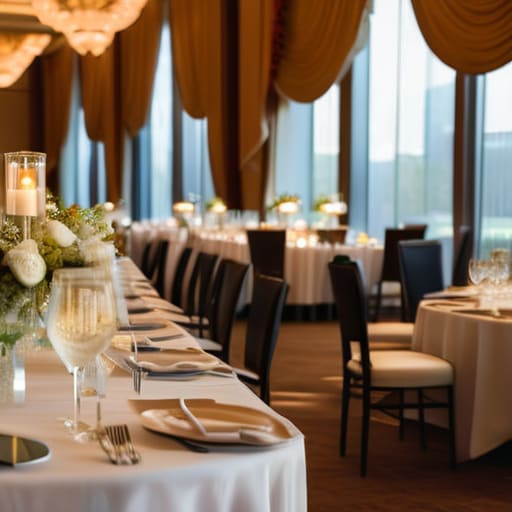
I was standing in the corner of a ballroom last Saturday, nursing a lukewarm sparkling water and watching a bride weep over the shade of her napkins, when I realized nobody was looking at the service doors. While the guests were mesmerized by the silk linings and the ambient lighting, I was watching the banquet staff struggle to navigate a narrow corridor with three heavy trays of sea bass. This is the reality of how hotel venues operate: it isn’t a seamless dance of elegance, it’s a high-stakes game of inches played behind the scenes. If the loading bay is blocked or the kitchen layout is a nightmare, all the rose petals in the world won’t stop your dinner service from running forty minutes late.
I’m not here to sell you on the dream or tell you which florist has the best Instagram feed. I’m going to pull back the curtain on the actual mechanics—the power requirements, the staff-to-guest ratios, and the logistical bottlenecks that can sink an event before the first toast is even made. You’re getting the truth about the machinery, not the marketing.
Table of Contents
The Brutal Math of Hotel Banquet Operations
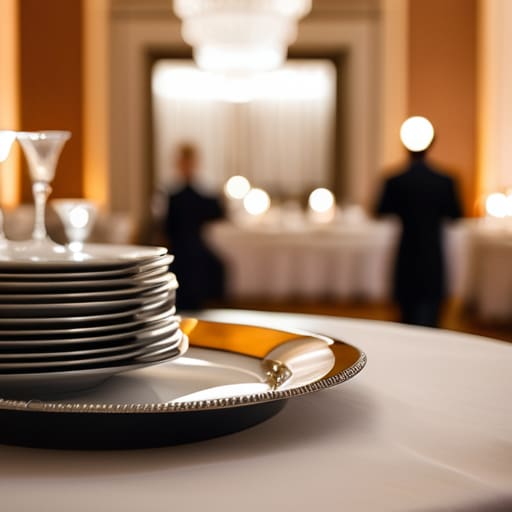
Everyone looks at the ballroom and sees a dream; I look at the ballroom and see a countdown. In hotel banquet operations, we aren’t just serving food; we are managing a high-stakes math equation where the variables are hungry guests and a rigid clock. If your dinner service starts at 7:00 PM and your licence ends at midnight, you don’t actually have five hours. You have exactly four hours and forty-five minutes, minus the time it takes to clear forty plates, wipe twelve tables, and reset for a dance floor without tripping over a wayward uncle.
The real friction usually hides in the hotel catering logistics. A planner might see a beautiful menu, but I see the “service gap”—that terrifying twenty-minute window where two hundred people realize their glasses are empty at the exact same moment. If the kitchen is three minutes behind on the protein, the entire evening’s rhythm collapses. You can have the highest hospitality service standards in the world, but if you haven’t accounted for the physical reality of moving hot plates through a crowded service corridor, your seamless event is going to hit a wall.
Mastering the Chaos of Hotel Catering Logistics
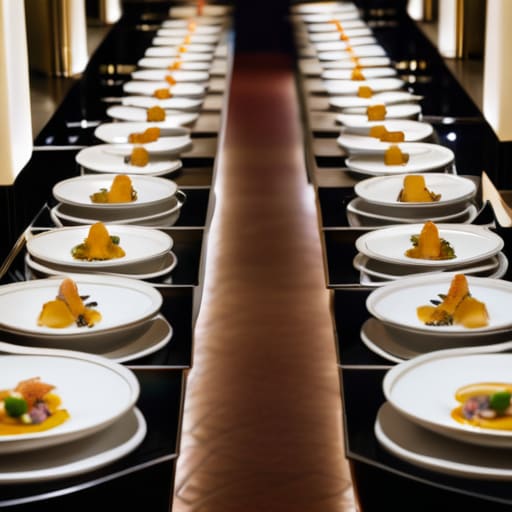
Everyone talks about the menu, but nobody talks about the unseen transit. You can have a Michelin-star chef, but if your hotel catering logistics aren’t sorted, that sea bass is going to arrive lukewarm because the service lift was stuck or the kitchen staff had to fight through a crowd of cocktail hour guests to reach the door. I’ve seen a perfectly planned dinner dissolve into a disaster simply because the venue didn’t account for the “plating bottleneck”—that moment when two hundred plates need to hit tables simultaneously, but there’s only one narrow corridor connecting the prep area to the ballroom.
True event management in hotels isn’t just about knowing which fork to use; it’s about managing the flow of heat and timing. You have to coordinate the kitchen’s clock with the wedding planner’s schedule and the inevitable delay of a best man who’s had one too many gins. If the hotel banquet operations aren’t synchronized to the second, you aren’t serving a meal; you’re managing a crisis. I always tell my clients: a beautiful plate is useless if it arrives twenty minutes after the speeches have already moved on.
The Five Things Your Wedding Planner Won’t Tell You About Hotel Logistics
- Check the “Back of House” flow before you sign. A hotel might look like a palace in the lobby, but if the service corridor from the kitchen to your ballroom is a narrow, winding labyrinth, your hot food is going to arrive lukewarm and your staff will be sweating through their shirts before the first course is even cleared.
- Audit the power supply like your life depends on it. Everyone talks about the DJ and the band, but nobody calculates the cumulative load of the lighting rig, the photo booth, the wireless mic chargers, and the caterer’s warming cabinets. If you don’t, you’re going to be staring at a dark room and a silent dance floor twenty minutes before the licence ends.
- The “Turnaround” is a lie. If your ceremony is in the same room as your dinner, do not believe the brochure when it says the staff can “quickly” reset the space. Moving two hundred chairs, resetting linen, and clearing ceremony petals takes time you don’t have. Budget a full ninety minutes of transition, or you’ll be chasing your cocktail hour into your main course.
- Respect the “Hard Stop.” In a hotel, the licence end isn’t a suggestion and the noise curfew isn’t a negotiation. If your contract says the music stops at midnight, it stops at midnight. Plan your grand exit or your final song for 23:45, not 23:59, unless you want your guests being ushered toward the elevators while the bride is still mid-spin.
- Map the guest movement, not just the seating plan. A beautiful floor plan means nothing if you have two hundred people trying to squeeze through a single set of double doors for the bar service at the same time. Look for the bottlenecks—the narrow hallways, the single elevator, the one bar in a corner—and plan your timings to stagger the flow.
The View from the Back of the Room

At the end of the day, running a hotel venue isn’t about the velvet upholstery or the way the light hits the ballroom at sunset; it is about the invisible infrastructure that keeps the wheels from falling off. We have looked at the brutal math of banquet service, the way power loads can cripple a DJ’s set, and the high-stakes choreography required to feed three hundred people without a single plate arriving cold. If you focus only on the aesthetics, you are ignoring the engine room. A successful event is built on a foundation of precise timings, calculated floor plans, and a catering team that knows exactly where the service entrance is located. When the logistics are handled with precision, the “magic” people talk about is actually just flawless execution hiding in plain sight.
My advice? Stop looking for the venue with the prettiest Instagram feed and start looking for the one that understands the clock. Ask about their turnaround times, their kitchen access, and how they handle a sudden surge at the bar. Because when the licence end is looming and the speeches are running twenty minutes over, you won’t care about the colour scheme—you’ll care that the machinery is still working. Plan for the friction, respect the logistics, and if you do the hard work behind the scenes, you might actually get to sit down and enjoy the party. After all, the most memorable events are the ones where nobody noticed the effort because everything simply worked.
Frequently Asked Questions
How do I work around a rigid hotel schedule when my wedding breakfast is running twenty minutes behind?
You don’t fight the clock; you bribe it. If the kitchen is twenty minutes behind, stop trying to rush the plates—you’ll just serve cold food and angry guests. Instead, I tell the bar to open a rogue round of bubbles or push the speeches back. You have to trade time for momentum. Check the licence end: if you’re eating into the dance floor time, you have to cut the fluff, not the food.
What are the hidden costs in a hotel contract that aren't related to the food or the room hire?
Look past the room hire and the per-head menu price; that’s where they catch you. You need to hunt down the “service charge” which is often a non-negotiable percentage tacked on at the end, and the “corkage” fees that make bringing your own wine feel like a robbery. Then there’s the power draw for the band, the AV technician minimums, and the setup/breakdown fees. If it isn’t in the base quote, it’s coming out of your pocket.
How much control do I actually have over the staff and the service flow once the event starts?
You have as much control as your contract and your floor plan allow. Once that first glass of bubbles hits the table, you aren’t the director; you’re a spectator with a radio. You can’t micromanage a server mid-stride, but you can control the setup. If you haven’t briefed the banquet manager on your non-negotiables before the first guest walks in, you’ve already lost the battle. Control the prep, or you’ll spend the night chasing shadows.