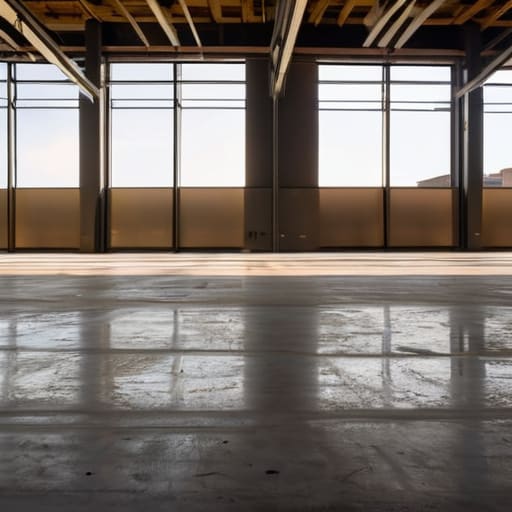
I spent three hours last Tuesday watching a wedding planner try to explain a mood board to a client, and all I could think about was the fact that they hadn’t even looked at the floor plan. Everyone talks about the “dreamy aesthetic” of a fresh start, but nobody actually explains how blank canvas venues work once the heavy lifting begins. They sell you on the infinite possibilities of an empty room, but they conveniently forget to mention that a “blank canvas” is often just a polite way of saying you’re responsible for every single lightbulb, power socket, and chair. If you think you’re just picking a colour scheme, you’re in for a very expensive wake-up call when you realise there isn’t a single table in the building.
I’m not here to sell you on floral arrangements or the “magic” of a minimalist space. I’m here to tell you what happens when the catering truck arrives two hours late and you realize your “empty” room has no service entrance. I’m going to break down the actual logistics—the access, the power requirements, and the hidden costs—so you don’t end up staring at a beautiful, empty room wondering where the hell the electricity went.
Table of Contents
Unfurnished Event Spaces and the Hidden Cost of Nothingness

When you see a photo of a pristine, empty hall on a venue website, you’re looking at a beautiful lie. They call it “creative freedom,” but in my experience, it’s often just a massive, unbudgeted line item waiting to happen. People get seduced by the idea of wedding venue planning flexibility, thinking they can just “wing it” with some fairy lights and a few rented chairs. They don’t realize that “nothingness” is actually quite expensive. You aren’t just paying for the floor; you are paying for the privilege of having to source every single fork, napkin, and table that a full-service venue would have handed to you on a silver platter.
This is the fundamental divide in venue rental vs full service. In a full-service setup, I’m managing the inventory; in an unfurnished space, you are the inventory manager. You have to account for the rental delivery windows, the labor costs for the setup crew, and the inevitable moment when the rental company realizes they can’t fit their van through your narrow side door. If you don’t factor in the cost of moving “nothing” into “something,” your budget will be gone before the first guest even arrives.
Venue Rental vs Full Service Choosing Your Level of Chaos

When you’re staring at a contract, the choice between venue rental vs full service usually looks like a simple math problem: do I want to pay more now, or spend more time later? If you go the rental route, you aren’t just buying a room; you are buying a massive list of responsibilities. You’re responsible for the tables, the chairs, the linens, and—most importantly—the people who move them. In an unfurnished space, the “flexibility” people rave about is often just a polite way of saying you have to build the entire experience from the ground up.
This is where the event space rental logistics start to bite. With a full-service venue, the staff knows exactly where the forks go and when the bread arrives. With a blank canvas, you are the one coordinating the delivery of the ovens, the arrival of the florist, and the setup of the lighting. If you choose the rental route, you need to realize that wedding venue planning flexibility comes with a heavy side of project management. You aren’t just a host anymore; you’re a site foreman.
Five Things the Floor Plan Won't Tell You
- Map your power, not just your tables. A beautiful lounge setup looks great on paper until you realize the DJ, the caterer’s coffee machine, and the fairy lights are all fighting for the same two sockets behind a velvet curtain. If you don’t account for the wattage, you’re not having a party; you’re having a very expensive blackout.
- The “Empty Room” trap. When a venue is a blank canvas, you aren’t just paying for the floor space; you are paying for the privilege of providing everything else. That means every fork, every linen, and every single piece of glassware has to arrive via a van, be stored somewhere, and eventually be hauled back out. If you haven’t budgeted for the rental and the transport of the “stuff,” your budget is already dead in the water.
- Respect the load-in window. In a full-service venue, the staff handles the heavy lifting. In a blank canvas, you are the logistics manager. You need to know exactly how much time you have between the doors opening and the first guest arriving to get three hundred chairs and five miles of cabling into position. If your decorator arrives at 2:00 PM for a 3:00 PM start, you’ve already lost.
- The invisible perimeter. A blank canvas often means no built-in bar, no dedicated buffet area, and no staging. You need to physically walk the space and decide where the “service zones” are. If your catering team has to trek fifty metres through a crowd of dancing guests just to get a tray of appetizers, the service will fail, no matter how good the food is.
- Plan for the exit, not just the entrance. Everything looks easy when the room is empty. The real test is the turnaround and the teardown. You have exactly until the licence end to get the music off, the guests out, and the rental companies to collect their gear. If you haven’t built a “strike plan” into your timeline, you’ll find yourself paying overtime fees just to clear the floor.
The Final Tally
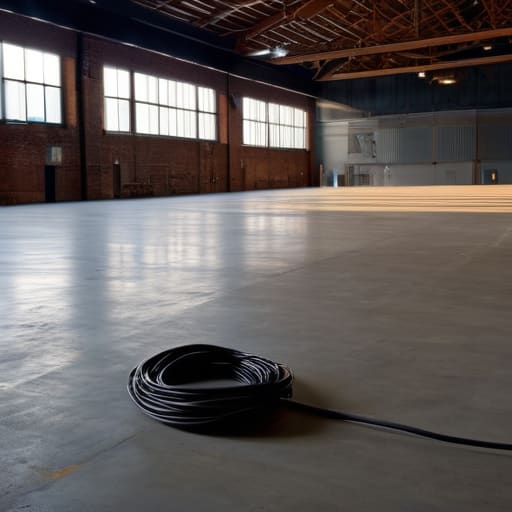
At the end of the day, a blank canvas venue isn’t just a room; it is a series of decisions that start long before the first guest arrives. You have to weigh the freedom of a custom layout against the reality of managing the logistics of nothingness. If you choose the empty space, you are also choosing to be the architect of the power supply, the floor plan, and the catering flow. Don’t let the aesthetic fool you into thinking it’s an easier path. You either pay for the service upfront, or you pay for it in the sweat and stress of trying to turn a hollow shell into a functional event before the licence end looms over your head.
But here is the truth from someone who has watched the lights go up in a thousand empty rooms: when you get the timings right and the infrastructure is solid, the magic actually happens. There is a specific kind of triumph in seeing a cold, concrete floor transformed into a wedding breakfast that feels like it has been there for a century. If you respect the logistics and plan for the chaos rather than pretending it doesn’t exist, the blank canvas becomes whatever you need it to be. It isn’t about the lack of furniture; it’s about the unlimited potential of a space that finally works exactly the way you intended.
Frequently Asked Questions
If I'm renting a blank canvas, who is actually responsible for the load-in and load-out timings so I don't get hit with overtime fees?
If you think the venue manager is going to hold your hand through the heavy lifting, you’re in for a very expensive wake. In a blank canvas setup, the responsibility sits squarely on your shoulders—or more accurately, your suppliers’. You need to bake the load-in and load-out into your master timeline. If your florist arrives at 10:00 AM but your access window closed at 9:00, that’s your problem, not mine. Check the contract, time the exit, and count backwards from the licence end.
How do I figure out if a "blank" space actually has the electrical capacity to run a DJ, a catering kitchen, and some decent lighting without blowing a fuse?
Don’t ask the venue manager if they have “plenty of power”—that’s a useless answer. Ask for a dedicated circuit list. You need to know exactly how many amps are allocated to the catering prep area versus the DJ booth. If the caterer is plugging in warming ovens on the same line as the band’s subwoofers, you’re going to be dancing in the dark by 10:00 PM. Check the breakers before you sign anything.
What’s the realistic way to budget for the "invisible" essentials like linens, glassware, and cutlery when the venue provides absolutely nothing?
Stop budgeting for the “look” and start budgeting for the “item count.” When a venue provides nothing, you aren’t just buying plates; you’re paying for the buffer. You need 15% more glassware than your guest list because someone will drop a flute, and 10% more cutlery because a server will inevitably misplace a fork during the chaos of a transition. If you budget for exactly 100 guests, you’ve already lost.