I once watched a wedding planner spend three grand on custom projection mapping, only for the entire setup to fail twenty minutes before the first course because they hadn’t accounted for the massive power draw from the catering warming cabinets. It’s the same story every time: people get blinded by the “mood” and completely forget the physics of the room. Everyone wants to talk about the aesthetic magic of the best lighting for indoor event spaces, but nobody wants to talk about the tripping hazards or the blown fuses that turn a romantic reception into a dark, silent room full of hungry, confused relatives.
I’m not here to sell you on expensive color palettes or the latest digital trends that look great on a mood board but fall apart in practice. I’m going to tell you how to actually light a room so people can see their food, find the bar, and move around without a bruised shin. We’re going to look at the logistics—the real mechanics—of illumination, from managing your circuit loads to choosing fixtures that actually work with your venue’s layout. This is about lighting that supports the event, rather than becoming its biggest headache.
Ambient Lighting for Banquet Halls Managing the Glow and the Grid
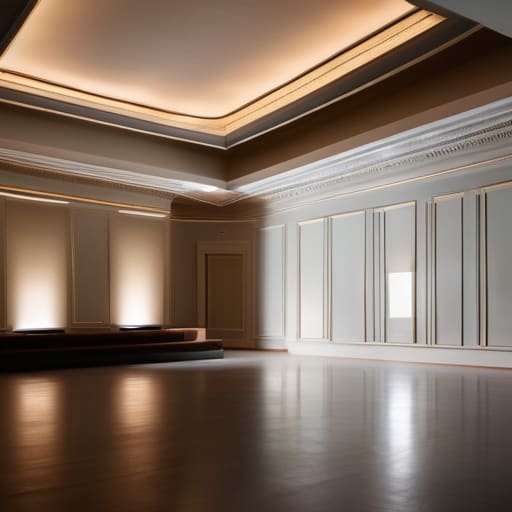
Everyone talks about the “glow” of a banquet hall, but nobody talks about the electrical load required to maintain it. When you’re looking at ambient lighting for banquet halls, you aren’t just picking colors; you are managing a grid. I’ve seen more weddings derailed by a single blown circuit than by a bad florist. If you’re planning on using a dozen high-intensity units to wash the walls, you better ensure your caterers aren’t trying to plug a coffee urn into the same circuit. It’s a classic mistake: you chase the aesthetic and end up in total darkness halfway through the main course.
To do this right, invest in dimmable LED event fixtures. They are your best friend because they offer control without the massive power draw of old-school halogen setups. I always tell my clients that the goal isn’t to blast the room with light, but to layer it. You want enough illumination so the guests can actually see their steak, but enough shadow so the room feels intimate. Control the dimming levels like you control your guest list—if you can’t adjust the intensity on the fly, you aren’t managing the room; the room is managing you.
Dimmable Led Event Fixtures Controlling the Chaos Without a Flicker
If there is one thing I have learned from watching a wedding transition from a formal seated dinner to a late-night dance floor, it is that your lighting needs to be as flexible as your catering staff. This is where dimmable LED event fixtures become your best friend. Unlike the old halogen units that stayed at one relentless brightness until the licence ended, LEDs allow you to shift the energy of the room with a single slider. You can start with a soft, respectful glow for the speeches and, twenty minutes before the bar closes, pivot into something much more high-energy.
The trick isn’t just about turning the lights down; it’s about doing it without the guests noticing the “click.” You want a seamless transition, not a sudden plunge into darkness that makes people feel like they’re in a basement. When you are creating mood with colored lighting, avoid the temptation to go overboard with saturated blues or purples right out of the gate. Start subtle. If you jump straight to a nightclub aesthetic while the elderly aunt is still trying to finish her dessert, you’ve lost the room before the first song even starts.
Five Ways to Light the Room Without Lighting a Fire (Metaphorically or Otherwise)
- Stop obsessing over the color palette and start checking your circuit breakers. I’ve seen more weddings derailed by a single blown fuse during the first dance than by a bad florist. If you’re adding heavy-duty uplighting, make sure your venue’s power grid can actually handle the draw, or you’ll be hosting a very expensive dark room.
- Plan for the “Transition Gap.” You need a lighting plan that shifts as the room shifts. You can’t have the same bright, functional light during the dinner service that you want during the party. If you don’t have a way to drop the intensity the moment the speeches end, you’ll never get the energy to shift from “polite dining” to “dance floor.”
- Watch out for the “Shadow Zones.” It’s easy to light the center of the room, but if you haven’t mapped out the corners or the entrance, you’re creating dark pockets where guests feel awkward or, worse, where your catering staff trips over a stray chair. A well-lit room is a safe room, and a safe room keeps the service moving.
- Don’t forget the “Human Element” of light. I’ve seen beautiful, high-concept lighting that makes everyone look like they’re in a noir film. If your guests can’t see their food or—more importantly—the person sitting across from them, they’ll stop engaging. Aim for light that flatters the guests, not just the decor.
- Account for the “Licence End” countdown. As the night winds down and the bar starts closing, your lighting needs to signal the shift. You don’t want a sudden, jarring “lights on” moment at midnight that kills the mood instantly. Use a gradual fade to nudge people toward the exit without making them feel like they’re being evicted from a supermarket.
The Final Check Before the Doors Open
At the end of the day, choosing your lighting isn’t just about picking a color palette that matches the bridesmaids’ dresses; it is about managing the physics of the room. You need to balance that soft, ambient glow with the practical reality of your power supply and your service flow. If you’ve mapped out your dimmable LEDs to handle the transition from dinner to dancing, and you’ve ensured your accent lights aren’t creating blind spots for the catering staff or tripping the circuit when the DJ kicks in, you’ve already won half the battle. Remember, the best lighting is the kind that works perfectly in the background, supporting the schedule rather than fighting against it. Don’t let a beautiful aesthetic become a logistical nightmare by forgetting the grid behind the glow.
I’ve seen plenty of events where the lighting was spectacular on Instagram but a total disaster for the people actually in the room. My advice? Plan for the transitions. The magic happens in the shift from the formal ceremony to the controlled chaos of the reception, and your lighting needs to be as flexible as your floor plan. When you get the timings and the technical specs right, the atmosphere takes care of itself. You aren’t just buying bulbs and fixtures; you are buying the ability to control the energy of the room from the first toast to the final song. Get the logistics sorted first, and I promise the rest will look exactly how you imagined it.
Now, before you go booking a lighting technician who only knows how to make things look “moody,” you need to consider the actual floor plan and where your guests are going to be moving once the dancing starts. I’ve seen more weddings stumble into a service table because the lighting designer prioritized a dramatic silhouette over basic visibility. If you’re trying to coordinate the flow between the bar, the dance floor, and the exits, it helps to have a clear sense of your venue’s layout and the local logistics you’re working with—sometimes even looking into specific local resources like private sex m nster can give you a sense of how different spaces handle foot traffic and privacy. At the end of the day, if your guests can’t find their way to the cloakroom without a flashlight, you haven’t lit the room; you’ve just created an obstacle course.