I once watched a bride spend six months obsessing over the exact shade of champagne for her bridesmaids’ silk dresses, only to spend her entire wedding reception wiping sweat from her forehead because the venue’s HVAC system was fighting a losing battle against a hundred dancing bodies. It’s a classic mistake. People spend a fortune on the aesthetic, but they completely ignore the invisible physics of the room. They don’t realize that understanding how heating and cooling affect comfort is actually more important than the centerpiece budget; because once your guests start unbuttoning their jackets or shivering through the toasts, the most expensive floral installation in the world becomes completely irrelevant.
I’m not here to sell you on fancy air purifiers or high-tech thermostats that require a PhD to operate. I’ve spent eighteen years managing spaces where the logistics actually matter, and I’ve seen exactly where the temperature fails. In this post, I’m going to strip away the marketing fluff and give you the unfiltered reality of managing a room’s climate. We’ll talk about the actual mechanics of airflow, why your “perfect” setting fails once the room fills up, and how to ensure your guests are actually enjoying the party instead of just counting the minutes until they can go home to their own AC.
Table of Contents
The Unseen Friction of Indoor Air Quality and Temperature Regulation

The Unseen Friction of Indoor Air Quality and Temperature Regulation
I’ve stood at the back of a room during a mid-summer wedding reception and felt it—that heavy, stagnant weight in the air that tells you the guests are about to turn sour. It isn’t just about the heat; it’s the lack of movement. You can set the thermostat to whatever number you like, but if you aren’t managing the impact of airflow on perceived temperature, you’re fighting a losing battle. When two hundred bodies start generating heat in a closed space, the air stops feeling like air and starts feeling like a physical barrier.
It’s a delicate dance between humidity levels and thermal comfort. If the air is too dry, people feel brittle and uncomfortable; if it’s too damp, they feel like they’re breathing through a wet towel. I’ve seen beautiful, high-end venues fail because they treated the climate like an afterthought. They focused on the linen textures but ignored the fact that maintaining optimal indoor climate is what actually keeps a guest from checking their watch and heading for the exit. If the air is stagnant, the mood follows suit.
Why Humidity Levels and Thermal Comfort Dictate the Mood

You can spend forty thousand pounds on a bespoke lighting package, but if your guests are sitting in a room that feels like a tropical greenhouse, they aren’t looking at the lights; they are looking for the nearest exit and a glass of ice water. This is where most planners lose the room. They focus on the aesthetic, but they ignore the fact that humidity levels and thermal comfort are the actual drivers of human behavior. When the air gets heavy and stagnant, the energy in the room doesn’t just dip—it curdles. People become irritable, the conversation slows, and suddenly that “lively” cocktail hour feels like a chore.
It’s a matter of physics, not just feeling. You can set the thermostat to a perfect twenty degrees, but if the impact of airflow on perceived temperature isn’t managed, you’ll still have guests sweating through their silk linings. If the air isn’t moving, it’s not circulating; it’s just sitting there, getting warmer with every body that enters the space. I’ve seen weddings go from celebratory to somber in twenty minutes simply because the air turned thick. You aren’t just managing a room; you are managing the literal atmosphere.
Five Ways to Stop Your Venue from Turning into a Sauna or a Freezer
- Don’t trust the thermostat blindly; a room full of two hundred people breathing, dancing, and nursing warm gin and tonics creates a heat load that no standard office HVAC system can touch. If your guest count goes up, your cooling capacity needs to go up with it, or you’ll be watching your wedding party wilt before the first course is even served.
- Factor in the “Arrival Surge.” When a hundred people walk in from a rainy car park or a sun-baked garden all at once, the temperature spikes instantly. You need to pre-cool the room by at least three degrees twenty minutes before the doors open, or you’ll spend the first hour of the event fighting a losing battle against physics.
- Watch the airflow, not just the temperature. I’ve seen rooms that were a perfect twenty-one degrees where guests were still sweating because the air was stagnant. You need movement—subtle, directed air that circulates without blowing a bride’s veil into her soup—otherwise, that “comfortable” temperature feels heavy and suffocating.
- Respect the power draw. If you’re hiring external heating units or heavy-duty industrial fans because the venue’s built-in system is struggling, check your circuits. There is nothing quite as catastrophic for a timeline as a blown fuse mid-speeches because the catering team’s ovens and the cooling system are fighting for the same socket.
- Account for the “Licence End” countdown. As the night winds down and the lights go up, the temperature drop can be jarring. If you’ve had the AC cranking to keep the dance floor manageable, be ready to dial it back or ramp up the heat as you approach the final hour, or your guests will be sprinting for their coats before the last song has even finished.
The Bottom Line on Atmosphere
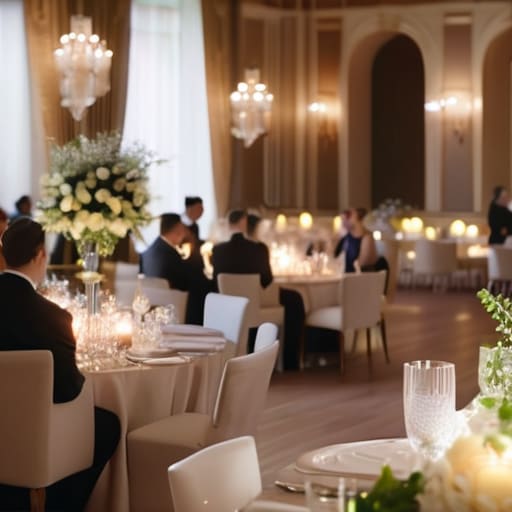
At the end of the day, you can spend your entire budget on bespoke linen napkins and hand-poured candles, but if your guests are fighting a losing battle against a drafty hall or a stifling, humid ballroom, they won’t remember the decor. They will remember that they were sweating through their suits or shivering through the toasts. Managing temperature and air quality isn’t just a technical necessity; it is the foundation of hospitality. When the heating is too high, the energy crashes; when the cooling fails, the tension rises. You have to account for the body heat of two hundred dancing bodies, not just the ambient temperature of an empty room. If you don’t get the invisible logistics of climate right, the rest of your planning is just window dressing.
My advice? Stop looking at the mood board for a second and look at the vents. A truly successful event is one where the environment feels so seamless that nobody even notices it. When the temperature is spot on and the air feels fresh, people relax, they linger, and they actually enjoy the company they came to see. The goal isn’t to have the most expensive climate control system on the market; it’s to ensure that the physical discomfort never competes with the memory you are trying to create. Plan for the sweat, plan for the chill, and I promise you, your guests will thank you for it.
Frequently Asked Questions
How do I balance keeping the room cool for a dancing crowd without making the elderly guests freeze during the speeches?
You can’t win a war against physics, so stop trying to pick one temperature for the whole night. It’s a moving target. My rule? Zone your climate. Keep the main floor aggressive and cool for when the dancing starts—sweaty guests are miserable guests. But for the speeches, you need targeted warmth near the seated tables. If the AC is blasting directly onto the elderly guests while they’re sitting still, they’ll be shivering before the first toast is even finished.
At what point does a malfunctioning HVAC system become a genuine liability for my catering and food safety?
The moment your HVAC fails, you aren’t just dealing with sweaty guests; you’re looking at a ticking clock on your food safety. If the room temperature climbs above 70°F, your buffet isn’t just unappealing—it’s a liability. I’ve seen lukewarm salmon turn into a health code nightmare in under an hour because the air was stagnant. If the cooling can’t keep up with the body heat and the kitchen output, your catering becomes a risk.
How can I tell if my venue’s cooling capacity is actually sufficient for my guest count before I sign the contract?
Don’t ask the salesperson if the AC is “good”—they’ll tell you it’s state-of-the-art while they’re looking at their commission. Ask for the BTU rating or the kilowatt capacity of the system and then ask how many people are in the room. If they can’t give you a straight number, they’re guessing. Better yet, ask when the last full-capacity event was held and if anyone complained about the heat. If they hesitate, walk away.