I’ve spent twenty years watching people mistake a beautiful menu for a functional event. Most wedding blogs and hospitality sites will tell you that renting a space is about finding the right aesthetic or a curated wine list, but they’re lying to you. If you want to understand how restaurants work for private hire, you need to stop looking at the mood boards and start looking at the floor plan. I once watched a high-end corporate dinner collapse entirely—not because the sea bass was cold, but because the “exclusive” dining room had a single, narrow service door that created a bottleneck so bad the waiters were practically wrestling guests just to clear a plate.
I’m not here to sell you on the magic of candlelight or the prestige of a Michelin star. I’m here to talk about the invisible friction that actually dictates whether your night is a triumph or a logistical nightmare. In this guide, I’m going to strip away the marketing fluff and show you the reality of service gaps, power requirements, and the brutal mathematics of guest flow. We are going to look at the mechanics of the room, because a successful event isn’t about the decor; it’s about predicting the chaos before it happens.
Table of Contents
Decoding the Restaurant Minimum Spend Explained
Let’s strip away the polite euphemisms. When a venue manager tells you there is a “minimum spend,” they aren’t just suggesting a budget; they are setting the floor for the room’s viability. Most people see this as a hurdle, but you need to view it as a math problem. Restaurant minimum spend explained is essentially the price the venue requires to justify closing off a section of the floor or turning away a dozen other smaller bookings. If your guest list is small but your spend is high, you’re paying for the real estate, not just the steak.
The real trap isn’t the number itself, but what it doesn’t include. I’ve seen too many planners walk into a room thinking they’ve hit their target, only to realize the service charge, VAT, and those inevitable extra rounds of drinks have pushed them well past the limit. You also need to clarify the restaurant buyout policies upfront. There is a massive difference between renting a corner booth and paying to own the entire room for four hours. One is a dinner; the other is a logistical operation that requires a much clearer understanding of exactly what that money is actually buying you.
The Fine Print of Restaurant Buyout Policies
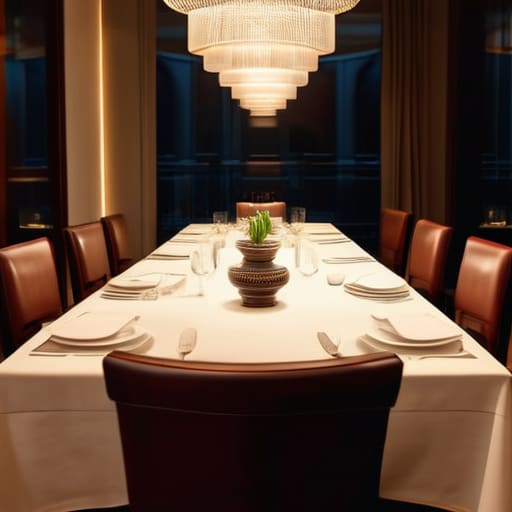
When you start looking at restaurant buyout policies, don’t just look at the number on the invoice; look at what that number actually buys you. A buyout is rarely just about the food and drink. It’s about the exclusivity of the space and the sudden, massive shift in how the staff operates. You aren’t just paying for a room; you are paying to prevent the kitchen from being interrupted by a walk-in customer who just wants a quick burger while your keynote speaker is mid-sentence. If the policy doesn’t explicitly state that the entire floor is yours, you haven’t bought out the restaurant—you’ve just rented a very expensive corner of it.
Then there are the hidden logistical levers that most people miss until the contract is signed. I’ve seen too many planners get blinded by a low private dining room rental fee, only to realize later that the venue charges a premium for every extra hour of power usage or for the specific setup of a stage. You need to know exactly where the service entrance is and how the staff moves. If the policy doesn’t account for the “dead time” between your cocktail hour and the seated dinner, you’re going to find yourself staring at a very expensive, very empty room while your guests wonder where the drinks are.
The Invisible Friction: Five Things Your Venue Manager Won't Tell You
- The “Flow” of the Room: Don’t just look at the table count in the brochure. I’ve seen a hundred “intimate” dinners turn into a claustrophobic nightmare because the client didn’t account for the three metres of clearance a server needs to navigate with a hot tray without clipping a guest’s shoulder.
- The Power Problem: If you are planning a presentation or a DJ, stop asking about the Wi-Fi and start asking about the circuit. Nothing kills the momentum of a high-end buyout faster than a blown fuse because someone plugged a professional sound system into the same line as the coffee machine.
- The Beverage Bottleneck: If you have sixty guests and only one bar station, you aren’t hosting a cocktail hour; you are hosting a queue. Always calculate your drink service based on the “twenty-minute rush”—if your staff can’t get a round of drinks to the tables in that window, your guests will be grumpy before the first course even lands.
- The Hard Stop: Treat the licence end time like a physical wall. You cannot negotiate with the local council, and you cannot “just have one more drink” once the lights go up. Plan your speeches and your dessert service to finish at least forty-five minutes before the hard stop, or you’ll spend the final hour of your expensive event being rushed by a manager who is already looking at the clock.
- The Loading Gap: Ask about the transition between the ceremony or arrival and the seated meal. Most people plan for the seated part, but the real chaos happens in the “turnaround”—that frantic, invisible window where staff are resetting the room, clearing glasses, and trying to make the space look “effortless” while the guests are busy making noise in the foyer.
The Bottom Line on Private Hire
At the end of the day, navigating a restaurant buyout is less about finding the prettiest menu and more about understanding the math and the mechanics behind it. You’ve looked at the minimum spends, you’ve parsed the fine print of the buyout policies, and you hopefully now realize that a “private room” is often just a polite way of saying you’re paying for the privilege of not hearing the table next to you argue about their mortgage. If you get the logistics right—if you respect the minimum spend, clarify the service charge, and confirm exactly when the music has to die because the licence says so—you avoid the friction that turns a celebration into a headache. Don’t let a beautiful tablecloth mask a logistical nightmare.
If there is one thing nine hundred weddings and countless corporate dinners have taught me, it is this: the most successful events are the ones where the guests never notice the effort. When the food comes out on time, when the bar queue moves like clockwork, and when the transition from drinks to dining feels seamless, it looks like magic. But it isn’t magic; it’s just good planning. Stop obsessing over whether the napkins match the floral arrangements and start focusing on the flow of the room. Do that, and you won’t just host a party; you’ll host an event that actually works.
Frequently Asked Questions
If I hit the minimum spend on food and drink, am I still getting hit with a service charge or a separate room hire fee on top of that?
Short answer: Yes. You’re likely getting hit by both. Don’t mistake “minimum spend” for “all-in cost.” The minimum spend is just the restaurant’s way of ensuring the table isn’t costing them money to host. Once you hit that number, the service charge—usually 12.5% to 15%—is tacked on, and if they’ve flagged a room hire fee, that sits on top of everything else. Always ask for the “total landed cost” before signing.
What happens to the timeline if the kitchen falls behind—do I lose my window for the speeches, or can we push the music back?
If the kitchen falls behind, you aren’t just losing time; you’re losing momentum. You can try to push the music back, but remember: the licence end is a brick wall, not a suggestion. If you delay the speeches to catch up on food, you risk the “hangry” factor, which kills the atmosphere faster than a bad DJ. My advice? Don’t fight the kitchen; adjust the flow. Shorten the speeches or move the toasts to the drinks reception. Control the friction before it controls you.
How much "buffer time" does the restaurant actually give me for setup and breakdown before they start charging me by the hour?
Most restaurants will give you thirty to sixty minutes of “grace” for setup, but don’t mistake that for a free pass. They aren’t being generous; they’re just waiting for the staff to finish their lunch service. If your florist shows up at 5:00 PM for a 6:00 PM booking, you’re already in the danger zone. Once that clock hits the hour you agreed upon, the meter starts running. Plan for a tight window.