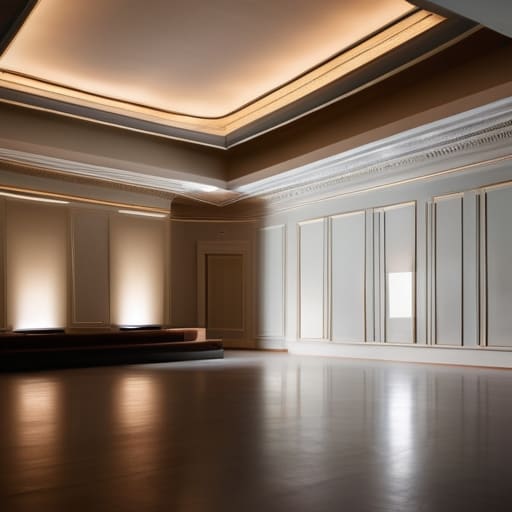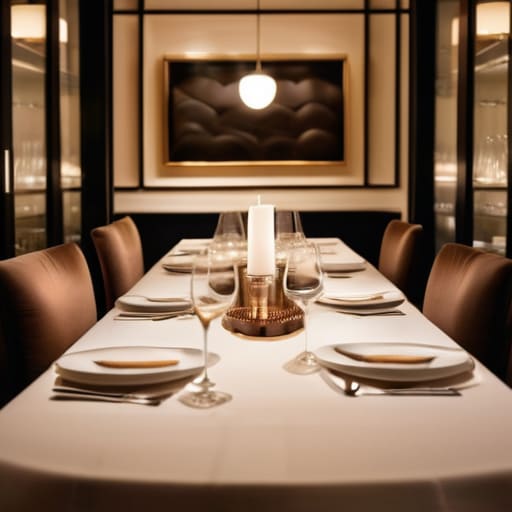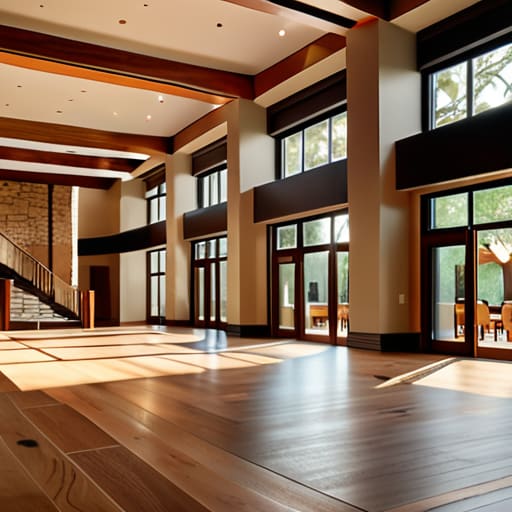
I’ve spent eighteen years watching couples walk into my space, eyes glued to the Pinterest boards, obsessing over whether the linen shade is “eggshell” or “ivory.” They treat a site visit like a trip to a showroom, but if you’re only there to see if the lighting hits the centerpiece just right, you’re doing it wrong. Most wedding blogs will tell you that a tour is about the aesthetic, but if you don’t know how to plan a venue walkthrough with a focus on the floor plan and the power outlets, you’re essentially setting yourself up for a logistical meltdown. I’ve seen a $5,000 floral installation nearly topple because no one checked if the table was level, and I’ve seen a reception turn into a ghost town because the bar was tucked so far into a corner that guests couldn’t find a drink for forty minutes.
I’m not here to talk about color palettes or mood boards; I’m here to talk about the mechanics of a successful day. In this guide, I’m going to show you how to look past the pretty curtains and find the friction points before they become expensive problems. We are going to cover the things the brochures leave out—from guest flow and service access to the dreaded countdown against your licence end. Consider this your no-nonsense blueprint for seeing a room not as a dream, but as a working machine.
Table of Contents
The Essential Event Venue Inspection Checklist for Chaos Control
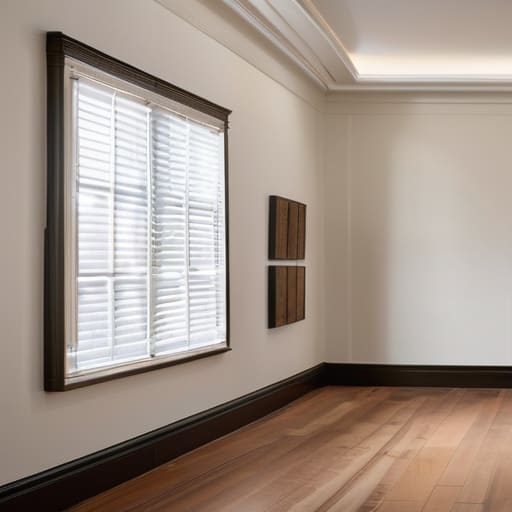
When you walk into a room, your eyes will naturally drift to the vaulted ceilings or the way the light hits the parquet. That’s fine, but if you want to avoid a meltdown at 9:00 PM, you need a proper event venue inspection checklist that focuses on the plumbing, not the petals. Start with the power. Find the sockets. Ask exactly how many circuits the DJ and the catering warmers are pulling from, because if they trip a breaker halfway through the first dance, no amount of fairy lights will save the mood.
Next, move into a rigorous logistics and floor plan assessment. Don’t just visualize tables; walk the path the servers will take from the kitchen to the guest’s plate. Is there a bottleneck at the entrance? Is the “flow” actually a narrow corridor that will turn a cocktail hour into a human traffic jam? Check the restroom capacity and the proximity of the loading bay to the prep area. I’ve seen more weddings derailed by a slow bar or a cramped service corridor than by a sub-par florist. If the bones of the logistics aren’t solid, the event will feel heavy, no matter how much champagne you pour.
Site Visit Questions for Event Planners Who Hate Surprises

When you’re standing in a beautiful room with high ceilings and perfect lighting, it’s easy to get swept up in the aesthetic. Don’t. Your job during a site visit questions for event planners session isn’t to admire the crown molding; it’s to interrogate the infrastructure. Start with the power. Ask exactly how many dedicated circuits are available for the DJ and the caterer’s ovens, because the last thing you want is a tripped breaker halfway through the first dance. If the venue says “plenty,” ask for the amperage.
Next, pivot to the movement of people and things. I always tell my clients to ask about the loading bay access and service routes. If your florist has to haul three hundred heavy vases through a narrow corridor shared with the guest toilets, you’ve already lost the battle. During your logistics and floor plan assessment, ask the manager where the “invisible” staff go when they need a break and how they get back into the room without disrupting the flow. If they can’t give you a straight answer on the turnaround time between the ceremony and the reception, they haven’t thought it through as hard as you have.
Five Ways to Walk a Room Without Getting Distracted by the Decor
- Bring a tape measure, not just a camera. Your Pinterest board doesn’t care if the “intimate” lounge area is actually a cramped corridor that leaves zero room for a server to pass with a tray of champagne. If you can’t walk through it comfortably, your guests won’t be able to either.
- Test the power situation before you commit to the lighting. I’ve seen more weddings derailed by blown fuses than by bad speeches. Find the sockets, ask where the distribution boards are, and don’t assume you can plug a DJ, a caterer’s coffee machine, and a light show into the same circuit.
- Walk the “back of house” route. Don’t just look at the ballroom; walk from the loading bay to the kitchen to the service entrance. If the path is a labyrinth of narrow stairs and heavy fire doors, your food is going to arrive lukewarm and your staff is going to be stressed before the first course is even plated.
- Check the acoustics when the room is empty. A room that sounds “atmospheric” during a quiet walkthrough can turn into an echo chamber of chaos once two hundred people start talking at once. If you can’t hear the person sitting opposite you during the site visit, you’ll need to budget for extra speakers or a serious rethink of the layout.
- Time the transitions. Stand in the ceremony space and then walk to the dining area. If it’s a ten-minute trek through a dark hallway, you’ve just created a bottleneck where half your guests will be standing around looking awkward while the other half are already at the bar. Plan for the movement, not just the moments.
The Reality Check
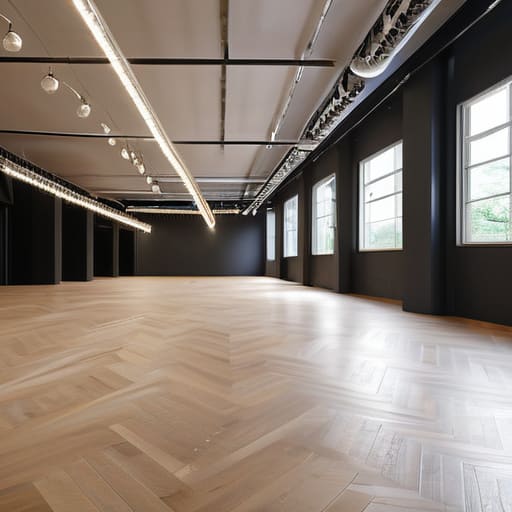
At the end of the day, a successful walkthrough isn’t about whether the lighting looks “dreamy” in a sunset photo; it’s about ensuring your caterer has a clear path to the kitchen and your guests aren’t tripping over power cables in the dark. You’ve checked the floor plan, you’ve interrogated the loading bay access, and you’ve likely counted down the minutes until the licence ends at least three times in your head. If you’ve done this right, you haven’t just picked a pretty room—you’ve de-risked your entire event. You are looking past the lace tablecloths to see the logistical skeleton that actually holds the party together, and that is exactly where the battle is won or lost.
Planning an event is a relentless exercise in managing the gap between how things look on Pinterest and how they actually function when two hundred hungry people arrive at once. It can feel overwhelming to obsess over things as unglamorous as socket placement or service corridors, but trust me: the most successful events are the ones where the guests never notice the mechanics. When the flow is seamless and the drinks are flowing before the ice melts, they’ll think it happened by magic. But you and I will know better. You’ll know it happened because you had the sense to plan for the friction before it ever became a fire.
Frequently Asked Questions
How much time should I actually budget for the walkthrough if I’m not just there to look at the decor?
If you’re just there to admire the molding and the view, forty-five minutes is plenty. But if you’re actually doing your job? Budget ninety minutes, minimum. You need time to walk the service routes, check the power outlets, and stand in the corner where the DJ will be to see if the acoustics are going to turn the speeches into a muddy mess. If you rush the walkthrough, you’ll be paying for it in frantic phone calls on the day.
If the venue manager tells me "it’ll be fine," what specific follow-up questions do I ask to find out what they actually mean?
When a manager says “it’ll be fine,” they’re usually trying to be polite while avoiding a headache. You need to pin them down. Don’t let them off the hook. Ask: “What’s the specific contingency if the power trips?” or “Walk me through the exact transition from ceremony to drinks—who is moving what, and how many minutes do we actually have?” If they can’t give you a timeline or a Plan B, it won’t be fine.
Should I be bringing a professional planner to the walkthrough, or can I handle the logistics myself without missing something critical?
Look, if you’re a professional planner, you’re paying for your eyes and your ability to spot a power socket shortage from fifty paces. But if you’re the client? You can handle it, provided you stop looking at the drapes and start looking at the floor plan. If you can track the flow of a hundred people moving from cocktails to dinner without a bottleneck, you’re fine. If not, hire the pro.