I was standing in the wings of a wedding reception last Saturday, watching a couple stare in genuine horror at their own wedding photos on a preview screen. They hadn’t spent too much on the flowers or the silk linens, but they had spent a small fortune on “mood lighting” that essentially turned the entire room into a dark, purple-tinted cave where nobody could actually see their dinner, let alone their guests. Everyone tells you that you can fix an atmosphere with a few expensive uplights, but they never tell you that if the light doesn’t serve the logistics of the room, it’s just expensive clutter. Most wedding blogs will tell you how venue lighting can be improved by adding more sparkle, but they completely ignore the fact that if your guests can’t find the bar or read their place cards, your “ambience” has failed.
I’m not here to sell you on more fairy lights or overpriced gels that make your guests look like they’re at a low-budget rave. I’m going to show you how to use light to actually manage the flow of an event, from ensuring the catering staff can navigate the floor without tripping over a centerpiece, to making sure the transition from dinner to dancing doesn’t feel like a sudden blackout. This is about practical, functional illumination that supports your timeline and your budget, rather than fighting against it.
Table of Contents
Mastering Ambient Lighting Techniques Without Overcrowding the Floor
The biggest mistake I see is people trying to turn a room into a disco before the first course has even been cleared. You want to use ambient lighting techniques to set a baseline, not to blind your guests. Most planners think “more light equals better,” but they forget that if you blast the ceiling, you lose the intimacy. I always tell my clients: aim for the perimeter. If you use accent lighting for venues—think subtle up-lighting against a textured wall or soft washes in the corners—you define the boundaries of the room without cluttering the floor with trip-hazard stands and messy cables.
You also have to respect the physics of the space. If you’re working with a tight turnaround, don’t rely on a dozen different floor lamps that the catering team will inevitably knock over while carrying a heavy tray of champagne. Instead, look into smart lighting control systems that allow you to shift the color temperature for events from a crisp, functional daylight during the speeches to a warm, amber glow once the dancing starts. It’s about layers, not volume. Keep the center of the floor clear for movement, and let the light do the heavy lifting from the edges.
Smart Lighting Control Systems the Silent Engine of Atmosphere
If you’re still relying on a single, glorified dimmer switch and a prayer to transition from a formal seated dinner to a high-energy dance floor, you’re asking for a disaster. I’ve seen it a hundred times: the speeches are winding down, the energy is shifting, and the venue manager is frantically running between tables trying to manually adjust every lamp in the room. This is where smart lighting control systems save your sanity. A proper system allows you to program “scenes”—pre-set lighting states that trigger with a single tap. You can move from a warm, intimate glow during the main course to a more vibrant, punchy setting for the evening set without a single staff member tripping over a cable in the dark.
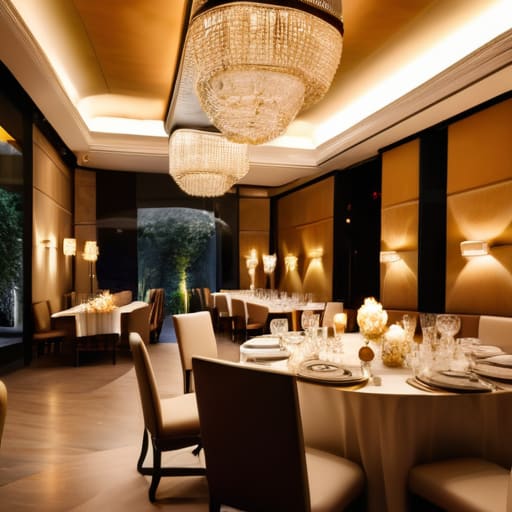
It isn’t just about being “fancy”; it’s about precision. When you are managing the color temperature for events, you need to be able to pivot instantly. You want that soft, candlelight feel while people are eating, but you need the ability to tighten the focus and shift the intensity the moment the music ramps up. If your tech isn’t integrated, you’ll spend the entire night fighting the room instead of managing the flow.
The Practical Checklist: Lighting Moves That Actually Save the Night
- Map your power requirements before you buy a single bulb; there is nothing more catastrophic than a beautifully dimmed room suddenly plunging into darkness because a caterer plugged in a warming cabinet on the same circuit as your mood lighting.
- Plan for the “Transition Gap”—the twenty minutes between the ceremony and the first drink—by ensuring your lighting can shift from ‘bright enough to find a seat’ to ‘dim enough to feel expensive’ without a frantic staff member tripping over a cable.
- Stop treating lighting as an afterthought for the photographer and start treating it as a tool for the guest; if your uplighting is so intense that people can’t see the person sitting opposite them, you haven’t created an atmosphere, you’ve created a stage set.
- Prioritize the “Service Paths” by keeping light levels functional near the exits and the buffet; you can have all the romantic candlelight you want, but if your guests are stumbling over chairs or can’t see the dessert menu, the logistics have failed.
- Account for the licence end by building a gradual “fade to dark” into your timeline; you don’t want the music to stop and the lights to slam on at midnight like an interrogation room—it kills the mood and sends everyone sprinting for the car park.
The Final Check Before the Doors Open
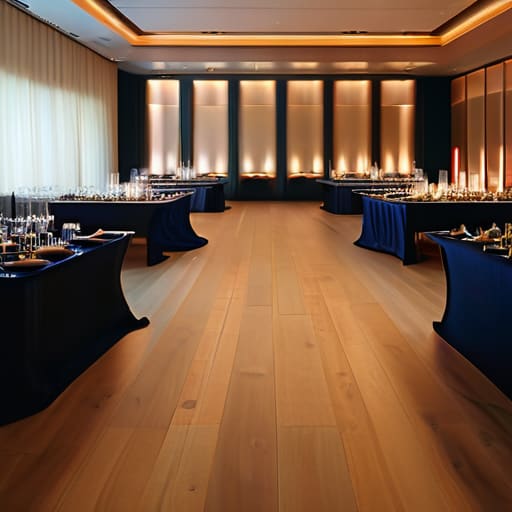
At the end of the day, improving your venue lighting isn’t about buying the most expensive moving heads or chasing every Instagram trend. It’s about the intersection of aesthetics and utility. You need ambient layers that don’t trip up the waitstaff, smart control systems that can shift the mood from a formal sit-down dinner to a high-energy dance floor without a single person noticing the transition, and enough practical light so that guests can actually see the food they’ve paid a premium for. If you get the logistics of the light right—balancing the dimmers, the zones, and the power requirements—you stop fighting the room and start working with it. Don’t let a single blown bulb or a poorly timed fade become the thing people remember.
When the doors finally open and the first round of drinks is poured, the lighting should be the silent partner in the room, not a distraction. A well-lit event feels effortless because the technical heavy lifting was done hours before the guests arrived. My advice? Stop looking at lighting as a way to make things “pretty” and start seeing it as the invisible architecture that holds your entire timeline together. When you master the flow of light, you aren’t just setting a mood; you are controlling the energy of the room from the first toast until the licence end.
Frequently Asked Questions
How do I balance decent lighting for the photographer without turning the reception into a high-school disco?
You’re walking the tightrope between “romantic dinner” and “cheap nightclub,” and it’s a tricky one. The trick is layers. Use warm, low-level ambient light—think dimmable uplighters or tea lights—to set the mood for the guests. Then, give your photographer dedicated task lighting or a clear path of “soft” light. If you rely on a single, bright overhead rig, you’ve lost. Keep the heavy-duty colored spots for the dancefloor only after the music shifts.
If we're working with a tight turnaround between the ceremony and the meal, how much time should I actually budget for the lighting tech to reset the room?
If you’re staring down a forty-minute gap between the “I dos” and the first course, you’re already cutting it fine. You need to budget at least thirty minutes just for the lighting reset. That’s not just flipping a switch; it’s re-aiming the spots, adjusting the dimmers for the meal, and ensuring the transition doesn’t leave the room looking like a construction site. If the tech is fighting the caterers for floor space, your timeline is dead.
What's the realistic cost difference between renting basic uplighters and actually installing a system that won't trip the circuit when the caterers plug in their warming ovens?
Look, the rental quote for basic uplighters looks great on paper—maybe a few hundred quid—but that’s a trap. You aren’t just paying for light; you’re paying for stability. A cheap rental setup is a parasite on your power supply. The moment the caterers kick in those warming ovens, your “dreamy glow” turns into a dark room and a very angry bride. Real infrastructure costs more upfront, but it’s the difference between a seamless evening and a midnight blackout.