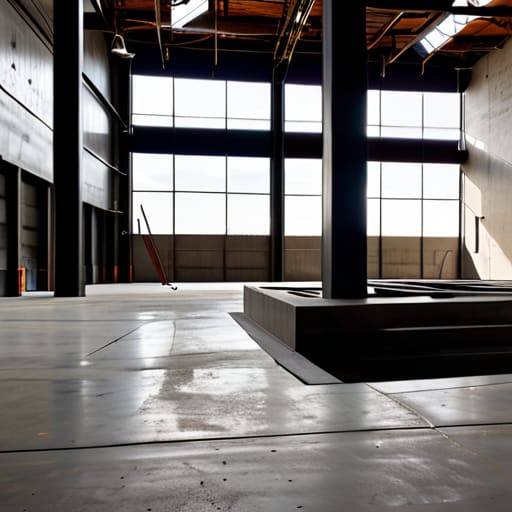
I’ve spent two decades watching people walk into venues with a Pinterest board and a dream, only to realize they haven’t actually thought about where the caterers are going to park or if the plug sockets can handle a professional coffee machine. Most of the advice you’ll find online about how to book a local community center is written by people who have never had to move fifty heavy folding chairs in the dark or deal with a sudden leak in a draughty hall. They talk about the charm of the space; I want to talk about the hidden friction that happens when your vision meets a linoleum floor and a rigid booking policy.
I’m not here to sell you on the “rustic charm” of a municipal hall. I’m here to give you the actual, unvarnished blueprint for making it work without losing your mind—or your deposit. We are going to look past the glossy brochures and dive straight into the logistical reality of access times, power requirements, and those tiny, expensive details that people always forget until the event is halfway through. If you want to know how to navigate the paperwork and the practicalities so your event actually functions, you’re in the right place.
Mastering the Facility Reservation Process Before the Doors Open

Most people approach the facility reservation process like they’re booking a hotel room—pick a date, pay the fee, and assume the heavy lifting is done. That is a mistake. When you’re booking public event spaces, especially those run by local government, you aren’t just buying time; you’re negotiating a set of rigid constraints. Before you get swept up in the excitement of a confirmed date, you need to dig into the fine print of the venue rental requirements. I’ve seen too many well-meaning organizers realize halfway through a setup that the “available” hall doesn’t allow external caterers, or worse, that the insurance paperwork required by the council is a mountain they aren’t prepared to climb.
Don’t just settle for a verbal “yes” over the phone. A formal community center availability check should involve a physical walkthrough where you actually look at the infrastructure. Check the loading bay access, the number of working outlets, and the distance from the kitchen to the main floor. If you are navigating a local council hall booking, remember that their priority is often risk mitigation, not your aesthetic vision. Verify the exact load-in windows and clarify exactly when the building must be empty. If your event ends at midnight, but the cleaning crew arrives at 11:30, you’ve already lost the battle.
The Reality of Community Center Rental Rates and Hidden Costs
When you start looking into community center rental rates, the initial number on the flyer is almost always a lie—or at least, it’s a very incomplete truth. It’s the “sticker price” that looks great on a spreadsheet but ignores the reality of what happens once you actually walk through the door. You might find a low hourly rate for a local council hall booking, but then you start adding up the cleaning deposits, the security requirements, and the inevitable charge for the extra tables you realized you actually needed. I’ve seen too many people budget for the space and forget to budget for the friction of using it.
The real sting usually comes from the fine print regarding venue rental requirements. Are you being charged extra for the heating if your event runs into the evening? Does the “affordable” rate include the person who has to stay until midnight to lock the gates, or is that a separate line item? If you are booking public event spaces, you need to treat the quote like a starting point, not a final answer. Always ask about the hidden service fees and the strictness of the security deposit return policy before you sign anything.
The Logistics Checklist: Five Things the Brochure Won't Tell You
- Stop dreaming about the floor plan and start looking at the power outlets. If you’re planning to hire a DJ, a caterer with warming trays, and a lighting rig, you need to know if that single 13-amp socket in the corner is going to blow the fuse the moment the first track drops. Ask for a technical spec sheet, not a photo of the room.
- Check the “turnaround” reality. A lot of people book a hall for a morning ceremony and an evening reception, forgetting that the center needs three hours in between to mop floors, move tables, and reset the room. If you haven’t factored in the physical movement of furniture, your “seamless transition” is going to be a chaotic scramble of folding chairs and spilled Prosecco.
- The “Licence End” is non-negotiable. I’ve seen a hundred planners try to squeeze an extra hour of dancing out of a venue, only to have the local council knocking on the door at midnight. When you book, ask exactly when the music has to stop and when the guests have to be out the door. If your party ends at midnight but the building must be empty by 12:15, you’ve already lost the battle.
- Audit the kitchen access. You might think a “kitchenette” is enough for a buffet, but if your caterer needs a commercial oven, a massive prep area, and a way to get hot plates in and out without tripping over your grandmother, a tiny sink and a toaster aren’t going to cut it. Ask if there is a dedicated service entrance; if not, your staff will be hauling trays through the middle of your guest’s cocktail hour.
- Confirm the “hidden” human element. Does the rental fee include a site manager, or are you being left alone with a set of keys and a prayer? You need to know who is responsible if a toilet overflows or a light goes out mid-speech. If the center doesn’t provide on-site staff, you need to budget for your own “fixer” to handle the inevitable mechanical hiccups.
The Final Countdown
Look, booking a community center isn’t about finding the prettiest room in the brochure; it’s about the math you do before you sign the contract. You’ve looked at the reservation protocols, you’ve accounted for the cleaning fees, and you’ve hopefully realized that the “cheap” rental rate is just the starting line. If you haven’t checked the power capacity for your DJ or confirmed exactly how many minutes you have to vacate the building before the lights go out, you aren’t actually finished planning. Treat the logistics like the foundation of a house—if the timings are wrong and the access is blocked, it doesn’t matter how much you spent on the decorations. Plan for the friction, and you’ll avoid the mid-event panic that ruins everyone’s night.
At the end of the day, once the chairs are set and the first guest walks through the door, the logistics should become invisible. That is the real mark of a successful event: when the flow feels natural and the transition from ceremony to drinks feels seamless, even if you know there was a frantic ten-minute scramble behind the scenes to move the buffet tables. A community center is a blank canvas, and while it lacks the polish of a high-end hotel, it offers something better: the chance to build something genuinely authentic. Do the hard work now, respect the license end, and I promise you, the celebration will take care of itself.
Once you’ve wrestled with the budget and the booking forms, you need to start looking at the actual movement of people. I always tell my clients that a floor plan is just a drawing until you realize that sixty people trying to navigate a narrow doorway at the same time is a recipe for a bottleneck. If you are planning something in a specific area, don’t just guess at the local vibe or the availability of nearby services; do your homework on the local landscape first. For instance, if you’re scouting locations or looking for local insights around t4m perth, checking those local connections early can save you from the logistical nightmare of realizing your guests have nowhere to park or your vendors can’t access the loading bay. It’s about anticipating the friction before it happens, rather than trying to fix a crowded hallway while your event is already in full swing.