I once watched a bride spend six months obsessing over the exact shade of blush for her peonies, only to have her entire reception ruined because the venue was “semi-exclusive.” She thought she had the place to herself, but she didn’t realize that meant a corporate seminar was finishing up in the adjacent room at 4:00 PM. As the seminar guests filed out, they collided with her bridal party in the narrow corridor, creating a bottleneck of confused accountants and weeping bridesmaids. That’s the reality of how exclusivity works at venues; it isn’t just a fancy word on a brochure to justify a higher price tag, it’s about controlling the flow of human beings and the chaos they bring with them.
I’m not here to sell you on the dream of a velvet rope or a VIP lounge. I’m here to tell you what actually happens when the doors close. I’m going to break down the logistics of true exclusivity—the access points, the power requirements, and the unseen boundaries that keep your caterer from fighting with a stranger’s cocktail hour. We’re going to talk about the stuff the brochures leave out so you don’t end up paying for a premium experience that feels like a shared waiting room.
Table of Contents
Private Event Buyout vs Shared Space Buying the Silence
When people ask me about a private event buyout vs shared space, they usually think they’re choosing between “fancy” and “budget.” They aren’t. They are choosing between total control and a constant, low-level battle for territory. In a shared space, you are essentially negotiating a peace treaty with whoever happens to be in the corner. You might have your DJ, but you’ll also have a group of locals at the bar wondering why your guest list is shouting over their quiet Tuesday night. You aren’t just paying for the room; you’re paying for the unpredictability of strangers.
A full buyout is different. It’s about buying the silence and the sovereignty of the floor. When you pay those venue rental exclusivity fees, you aren’t just paying for the absence of other people; you’re paying for the ability to tell the kitchen exactly when the doors close and the bar to stop serving exactly when your licence ends. It eliminates the “polite awkwardness” of a wedding guest trying to find a quiet corner only to realize they’ve walked into a corporate lunch. It’s the difference between hosting a party and managing a collision.
The Real Cost of Venue Rental Exclusivity Fees
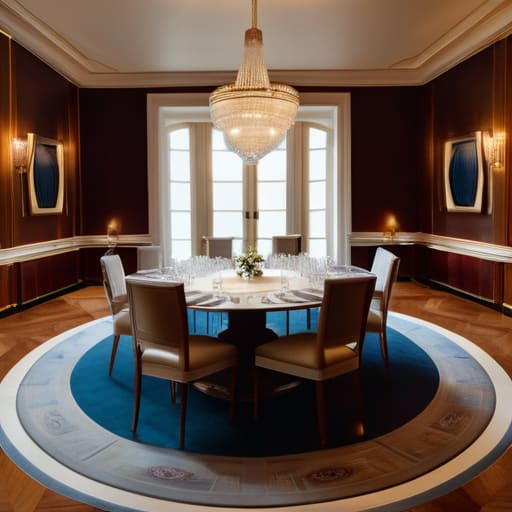
When you see a line item for venue rental exclusivity fees, don’t mistake it for a luxury tax or a “premium” for being fancy. It’s actually a compensation for lost opportunity. If I give you the whole building for a Saturday, I’m turning away three other potential bookings—a corporate seminar, a birthday, and maybe a small wake. I’m not just charging you for the room; I’m charging you for the guarantee that no one else is walking through those doors. You aren’t paying for the privilege of being important; you are paying to ensure that the person in the next room doesn’t start a loud cocktail hour right when your bride is trying to walk down the aisle.
It’s a math problem, plain and simple. When you weigh a private event buyout vs shared space, the price gap usually reflects the logistical headache of isolation. In a shared space, I can squeeze more people into the building and keep the margins tight, but you lose control. With an exclusive buyout, you are paying to control the variables. You are buying the right to decide exactly who enters the building and, more importantly, the peace of mind that comes with knowing the staff isn’t splitting their attention between your wedding and a stranger’s anniversary party.
Five Things Your Venue Contract Won't Tell You About Being the Only One in the Room
- Check the “Perimeter of Control.” Just because you’ve paid for an exclusive buyout doesn’t mean the building’s back entrance or the staff corridor is off-limits. If you don’t clarify exactly where the “exclusive” line is drawn, you might find a group of tourists walking through your cocktail hour just because the venue’s public tour didn’t end at the same time yours began.
- Audit the Power Supply. Exclusivity is useless if your high-end lighting rig or that massive DJ setup trips the breaker because the venue is still running the air conditioning for a different wing. When you’re the only one in the building, you have more leverage to demand a dedicated power load—use it.
- The Staffing Paradox. A common mistake is assuming exclusivity means the venue staff are yours. Usually, they’re still juggling the venue’s standard operating procedures. If you want a seamless night, you need to confirm if the servers are dedicated solely to your floor or if they’re still being pulled away to manage the “shared” areas of the building.
- The Loading Bay Bottleneck. If you’re running an exclusive event, you need to own the access points. There is nothing that kills the “private” vibe faster than a delivery driver for a different event pulling up to your main entrance at 7:00 PM to drop off crates of soda. Map out the delivery timings before the first guest arrives.
- The Licence End Countdown. Exclusivity doesn’t grant you extra time. If your contract says the licence ends at midnight, it ends at midnight, whether you’re the only person in the building or there are five hundred. Plan your “exclusive” experience to wind down thirty minutes before the hard stop, otherwise, you’ll spend your final hour watching staff clear tables while your guests are still mid-sentence.
The Final Tally
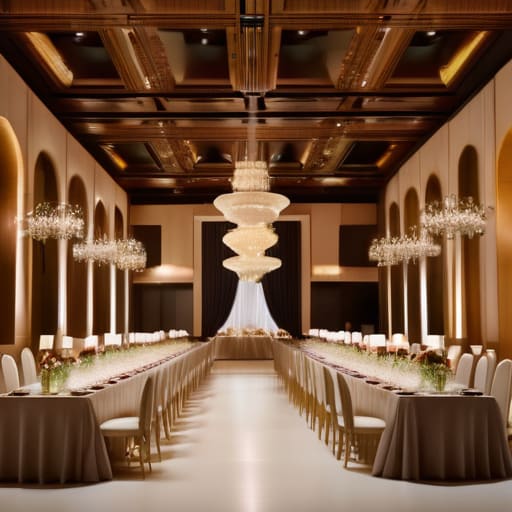
At the end of the day, deciding whether to pay for exclusivity comes down to a simple math problem: how much do you value control versus your bottom line? You’ve weighed the cost of a full buyout against the risk of a stranger walking into your wedding breakfast, and you’ve looked at those exclusivity fees not as a penalty, but as a logistics insurance policy. Whether you choose to own the entire room or share the floor with a few other tables, remember that the most expensive mistake isn’t the fee itself—it’s failing to account for how much space your vendors actually need to do their jobs without bumping into your guests.
Don’t let the glossy brochures fool you into thinking a great event happens by magic or through a perfect colour palette. A successful night is built on the invisible scaffolding of smart decisions, tight timings, and knowing exactly who has access to your space and when. If you plan for the friction, the logistics will fade into the background, leaving nothing but the atmosphere you actually intended to create. Aim for that effortless perfection, but keep your eyes on the floor plan and your watch on the licence end. That is how you turn a chaotic gathering into a seamless event.
Frequently Asked Questions
If I’m paying for a buyout, does that mean I actually control the staff, or am I still at the mercy of the venue's standard operating procedures?
Short answer: No. You’ve bought the room, not the staff’s brains. You can own the building, but you’re still operating under my license and my safety protocols. If your plan involves serving drinks after the 12:00 AM cutoff or letting a rogue guest wander into the kitchen, my team will shut it down. You control the guest list and the vibe; I control the legalities and the logistics. Think of it as renting a stage, not owning the theater.
How do I know if a venue is "exclusive" in reality, or if they’re just going to let a random walk-in crowd crowd the bar during my cocktail hour?
Don’t look at the brochure; look at the floor plan and the booking diary. If they tell you the space is “exclusive” but don’t mention whether the bar staff are shared with a public lounge, they’re selling you a lie. Ask them point-blank: “Will my guests be competing with walk-ins for a gin and tonic?” If the answer is vague, you aren’t buying exclusivity—you’re just renting a corner of a crowded room.
What happens to the exclusivity clause if the venue's own private functions run over their scheduled end time?
If my venue’s previous booking bleeds into yours, you aren’t paying for exclusivity; you’re paying for a front-row seat to someone else’s hangover. Technically, the clause is breached, but don’t expect a refund mid-champagne. Instead, expect a frantic, silent scramble by my team to clear the room. If the contract says 7:00 PM, I’m counting down from there. If they’re still dancing at 7:05, your “private” event just lost its polish.