I’ve sat in the back of a dozen wedding breakfasts, watching a beautifully styled room slowly lose its soul because no one understood how plated service works. You see it every time: the bride thinks she’s buying elegance, but what she’s actually buying is a high-stakes race against the clock. The wedding blogs will tell you it’s about the delicate placement of a micro-green or the symmetry of the porcelain, but they’re lying to you. In reality, plated service is a logistical battlefield where the enemy isn’t a bad garnish, it’s the twenty-minute window between the kitchen door swinging open and the food turning lukewarm on a cold plate.
I’m not here to sell you on the aesthetics or the “experience” of fine dining. I’m here to tell you how to actually pull it off without your guests staring at empty plates while the speeches go on for forty minutes. We’re going to strip away the fluff and look at the uncomfortable truths: the precise timing required, the way staff movement can kill a room’s momentum, and why your floor plan might be your biggest mistake. This is the blueprint for keeping the food hot and the schedule intact.
Table of Contents
Synchronous Service Techniques and the Illusion of Ease
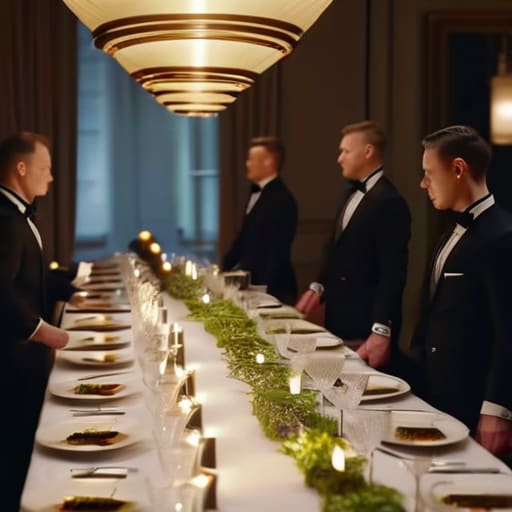
When you see a room full of guests being served simultaneously, it looks like magic. It looks effortless. In reality, it is a highly choreographed military operation designed to hide the sweat. This is where synchronous service techniques come into play. It isn’t just about a waiter walking to a table; it’s about a team of four moving in a single, unified line, hitting the table at the exact same second so that no one is left staring at an empty place setting while their neighbour eats.
The secret to this “illusion of ease” isn’t found in the kitchen, but in the invisible tether of front of house and back of house communication. If the head chef calls “service” and the floor team isn’t already positioned, the food dies on the pass. You might have the most expensive plating aesthetics and presentation in the world, but if the plates arrive three minutes apart, the momentum of the wedding is gone. I’ve seen a beautiful evening turn into a slow-motion disaster simply because the team forgot that timing is the only thing guests actually feel.
Restaurant Service Workflow the Invisible Engine Room
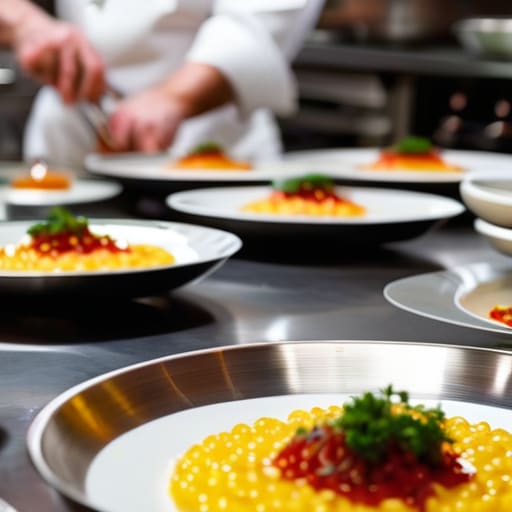
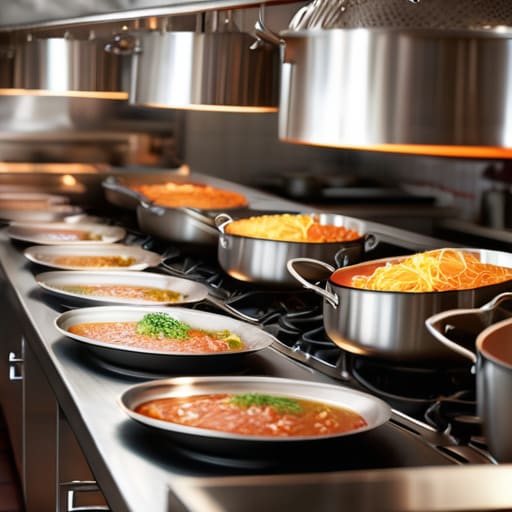
If you think the magic happens when the waiter places a dish in front of a guest, you haven’t seen the chaos behind the swinging doors. The real work is the restaurant service workflow, a frantic, invisible dance between the kitchen and the floor. It’s not just about cooking; it’s about the precision of the pass. I’ve seen more weddings saved by a calm head in the kitchen than by a florist’s budget. When the kitchen is in sync, the food moves like clockwork. When they aren’t, you’ve got fifty people sitting with empty glasses while the risotto turns into wallpaper paste.
This is where front of house and back of house communication becomes the difference between a seamless evening and a logistical nightmare. It’s a constant, unspoken dialogue of nods, shouts, and ticket timings. If the runners don’t know exactly when the protein is rested, or if the floor staff aren’t clearing plates in a coordinated sweep, the whole momentum of the room collapses. You aren’t just managing food; you are managing the rhythm of the entire event.
Five Ways Your Dinner Service Goes Off the Rails (and How to Stop It)
- Respect the “Holding” Window: A kitchen can plate two hundred meals perfectly, but if your speeches run twenty minutes over, those plates turn into expensive, lukewarm biology experiments. You need a hard stop on the mic, or you’re serving cold risotto.
- The Power of the Pivot: If you’ve got a room of two hundred people, you don’t just need servers; you need a choreographed movement pattern. If your staff is bumping into each other like bumper cars in the service aisle, your “seamless” transition is already dead.
- Buffer the Beverage Gap: The most dangerous moment in any plated service is the twenty-minute window between the ceremony cocktail hour and the first course. If you don’t have enough hands on the trays during that spike, guests start getting “hangry,” and a hangry wedding guest is a liability I don’t need.
- Budget for the Back-of-House Footprint: Everyone plans for the table settings, but nobody plans for the three metres of staging space a professional catering team needs to actually plate a meal. If you squeeze the kitchen into a broom cupboard, your service timing will slip before the first bread roll hits the table.
- The Licence End Countdown: I don’t care how beautiful the main course is; if your service is lagging and you’re pushing the dessert too close to the licence end, you’re cutting into the dancing and the bar revenue. Work backwards from the lights-out time, not forwards from the appetizers.
The Final Countdown
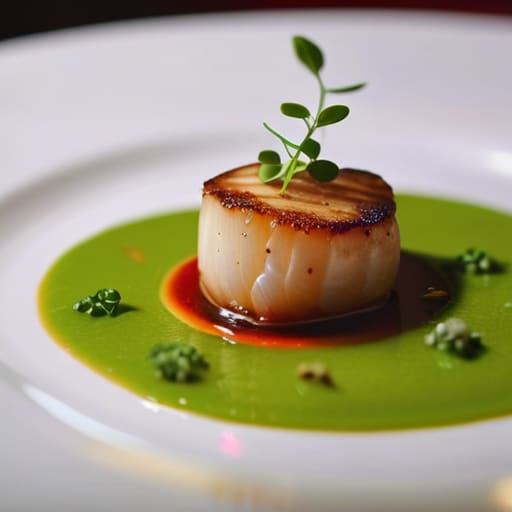
At the end of the day, plated service isn’t a magic trick; it is a mathematical equation where the variables are temperature, timing, and human movement. You can have the most exquisite menu in the county, but if your kitchen-to-floor transition is off by even ten minutes, you aren’t serving a gourmet meal—you’re serving a logistical failure that leaves guests staring at cold sauce. It requires a synchronized dance between the front-of-house staff and the kitchen brigade, all while keeping a sharp eye on that inevitable licence end. If you don’t respect the rhythm of the service, the momentum of your entire event will stall before the coffee even hits the table.
I’ve seen enough weddings to know that guests won’t remember the specific notes of the reduction or the exact shade of the garnish, but they will absolutely remember how they felt during the meal. They feel taken care of when the service is seamless, and they feel ignored when the plates arrive in waves rather than a unified front. My advice? Stop obsessing over the centerpiece and start obsessing over the flow of the room. When you master the mechanics of the plate, you create the space for the actual celebration to happen. That is where the real magic lives—in the quiet, perfectly timed transition from a hungry room to a happy one.
Frequently Asked Questions
How much extra time do I actually need to build into the schedule for the transition from drinks to the first course?
Look, if your schedule says you’re moving from cocktails to the first course in fifteen minutes, you’re dreaming. You need forty-five, minimum. You aren’t just moving bodies; you’re managing the “lumbering effect”—that slow, drunken drift of guests finding seats, the awkward shuffle of chairs, and the inevitable bottleneck at the cloakroom. If you don’t buffer that gap, your kitchen will be staring at cold plates while your guests are still debating their second gin and tonic.
What happens to the flow of the evening if the kitchen falls behind by twenty minutes?
Twenty minutes is a lifetime in event logistics. It’s the “danger zone.” That’s when the momentum dies, the wine starts running low, and the guests move from “relaxed” to “restless.” If the kitchen slips, the dance floor loses its fuel. You’ll see the energy dip, the speeches start to feel longer than they are, and suddenly, you’re playing catch-up against the licence end. You aren’t just serving food anymore; you’re managing a crowd’s patience.
How do I calculate the number of servers required so my guests aren't staring at empty glasses while waiting for food?
Stop looking at your guest list and start looking at your menu. If you’re doing a seated, three-course meal, you’re looking at one server for every eight to ten guests. Anything more and you’re burning money; anything less and your guests will be staring at the bottom of their wine glasses while the kitchen is screaming for a clear pass. It’s a math problem: more courses or more complex plating means you need more hands on deck to beat the clock.