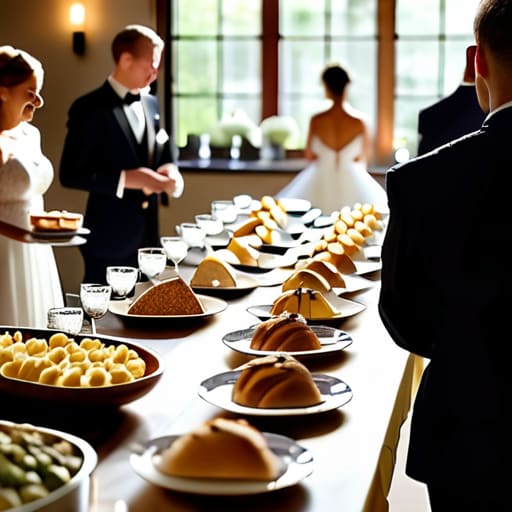
I watched a bride last June spend three months obsessing over the exact shade of dusty rose for her napkins, only to realize during the reception that she’d completely ignored the logistics of her meal service. She wanted that “warm, communal feeling,” but because no one had actually looked at how family style service works in a room with tight seating, the evening turned into a frantic battle of heavy ceramic platters and guests accidentally elbowing their aunts in the ribs. People talk about family style like it’s some magical, effortless way to foster connection, but if you haven’t accounted for the physical footprint of those shared dishes, you aren’t hosting a dinner; you’re managing a polite riot.
I’m not here to sell you on the aesthetic or tell you how “Instagrammable” a long table looks under fairy lights. I’ve spent eighteen years watching the gap between a beautiful mood board and a functional floor plan, and I want to bridge it for you. I’m going to pull back the curtain on the real-world mechanics of shared dining—from the extra table width you’ll actually need to the way it impacts your service timings—so your event feels effortless because it was actually planned for.
Table of Contents
The Hidden Math of Large Platter Presentation
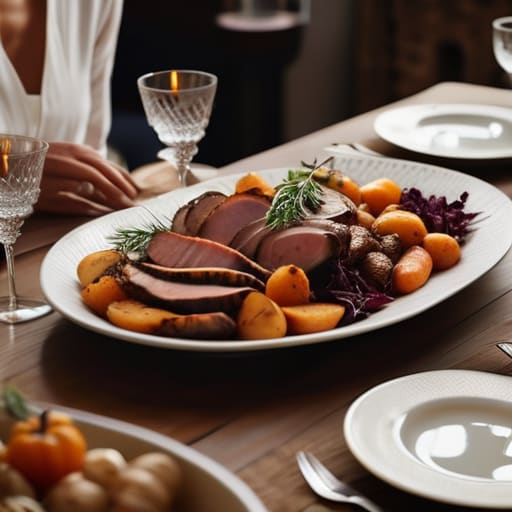
When you look at a photo of a beautifully set long table, you see the linen and the candlelight. I see the physics of heavy ceramic. The biggest mistake people make with large platter presentation is forgetting that a platter of roasted meats and root vegetables isn’t just food; it’s a weight-bearing object that needs to navigate a crowded table without a collision. If you haven’t accounted for the elbow room required to pass a three-pound dish from one side of the table to the other, your “effortless” dinner is going to turn into a game of hot potato that ends with gravy on a bridesmaid’s silk dress.
You also have to consider the math of portion control in group dining. In a plated service, the kitchen controls the volume. In family style, the guests control the volume, and that’s where the logistics get messy. If you have twelve people at a table and only three large platters of protein, the first four people are eating like kings while the last four are eyeing the bread basket with desperation. You have to calculate the dish count based on the actual hunger levels of your crowd, not just what looks pretty in the catering brochure.
Group Dining Logistics vs the Illusion of Ease

The problem with family style vs plated service is that one looks effortless in a Pinterest board, while the other is a choreographed dance of heavy ceramics and hot food. When a couple tells me they want that “relaxed, communal vibe,” what they’re actually asking for is a high-stakes game of musical chairs with heavy platters. In a plated service, I can time the kitchen to the second. With shared plate dining, I’m at the mercy of the slowest eater at table four. If one person decides to spend ten minutes debating the merits of the roasted carrots, the entire rhythm of the room shifts.
You also have to account for the physical reality of the table. People think a long, beautiful table is just for aesthetics, but they forget that group dining logistics require actual elbow room. If you pack the centerpieces too tight, there is nowhere for the food to live. You end up with a situation where guests are performing a frantic, awkward ballet just to pass a bowl of potatoes, which is the exact opposite of the “easy” atmosphere you were promised.
Five Things the Wedding Planner Won't Tell You About Platters
- Watch your table real estate. If you’re planning on having heavy floral centerpieces and three different types of wine bottles on the table, you’ve already lost. Family style requires “elbow room for the food”; if the guests can’t pass a platter without knocking over a candle, the whole thing descends into a polite but frustrating scramble.
- The “Heavy Lifting” factor. I’ve seen too many venues underestimate the sheer weight of a large ceramic platter loaded with roasted meats and potatoes. You need to ensure your waitstaff are trained to navigate crowded aisles with heavy loads, or you’ll end up with a gravy spill halfway to table twelve, which is a nightmare to clean up mid-service.
- Account for the “Slow Eater” bottleneck. In a plated service, everyone gets their food at roughly the same time. In family style, the person at the end of the table who is a slow passer can delay the entire group. I always tell clients to keep the bread and butter moving early so people aren’t starving while waiting for the main proteins to make their way around.
- The math of the “Buffer Plate.” Never assume a platter for eight will actually feed eight people comfortably. Between the person who wants a little more of everything and the person who is particularly hungry, you need to calculate your food volume with a 15% buffer. It’s better to have a bit of leftover roast in the kitchen than to have a guest staring at an empty tray while the rest of the table finishes.
- Timing the speeches against the “Passing Phase.” If you schedule your best man’s speech for the exact moment the platters are circulating, you’re asking for trouble. You’ll have half the room trying to listen and the other half trying to pass the salad. Aim to have the heavy lifting of the food service finished at least ten minutes before the first microphone is turned on.
The Reality Check
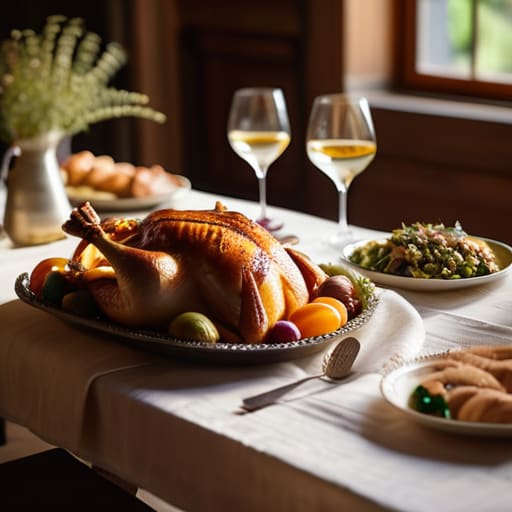
At the end of the day, family style service isn’t a magic trick that makes a room feel intimate; it is a calculated trade-off. You are trading the precision of plated service for a communal energy that can either make a wedding feel like a feast or a frantic scramble for the last piece of roasted chicken. If you don’t account for the physical footprint of those platters and the extra hands needed to navigate the table, you aren’t planning a dinner, you’re planning a bottleneck. Remember that the success of this style lives or dies in the margins: the width of your table settings, the weight of your serving spoons, and the timing of the pour so no one is reaching across a half-empty wine glass to grab the potatoes.
Don’t let the Pinterest boards fool you into thinking this is “low maintenance.” A successful family style service is actually a feat of high-level logistics that looks effortless because someone did the heavy lifting behind the scenes. When you get the math right—the spacing, the flow, and the staff ratios—you create a space where guests stop looking at their watches and start looking at each other. It is about moving past the aesthetic and focusing on the mechanics of connection. If you plan for the chaos, you get to enjoy the magic; if you don’t, you’ll just be counting down the minutes until the licence ends.
Frequently Asked Questions
How much extra time do I actually need to build into the schedule for the "passing of the plates" before it eats into my speech window?
You need to bake in an extra twenty minutes, minimum. People treat “passing the plates” like a quick hand-off, but it’s a slow-motion obstacle course. You’ve got heavy ceramic, hot sauces, and guests who instinctively lean in to grab a piece of chicken right as the server is passing. If you don’t account for that friction, your first speech will be interrupted by the clatter of cutlery and someone asking for more salt.
Does the guest count change the math on how many servers I need to keep the food from going cold?
It’s not just a linear increase; it’s a tipping point. With forty guests, two servers can play catch-up. At a hundred, you’re in the danger zone. As the guest count climbs, the “service window”—that precious time before the sauce breaks or the steak loses its temper—shrinks. You don’t just need more hands to carry platters; you need more hands to manage the sheer volume of clearing and replenishment to beat the licence end.
How do I handle dietary requirements and allergies when everyone is sharing from the same central platter?
This is where the “communal” dream hits the reality of a nut allergy. You cannot simply tell a guest to “be careful” with a shared platter; that’s how people end up in A&E. I always tell clients: if you have high-risk allergies, you need “satellite plates.” We prepare a discrete, plated version of the meal for those individuals. It’s not about being exclusionary; it’s about ensuring the person with the allergy isn’t staring at a plate of food they can’t touch while everyone else eats.