I’ve sat through enough weddings to know that when a planner starts talking about “artisanal bean sourcing” and “bespoke caffeine experiences,” they’re usually trying to distract you from a massive logistical hole. Everyone wants to talk about the roast profile, but nobody wants to talk about the fact that if you don’t have three dedicated stations, you’re going to have eighty people standing in a stagnant line while the dance floor stays empty. Most people think how coffee service works at events is just about putting out a few thermoses, but in reality, it’s a high-stakes game of flow management that can either kickstart the party or kill the momentum entirely.
I’m not here to sell you on expensive syrups or fancy latte art that takes four minutes per cup. My goal is to pull back the curtain on the actual mechanics of the service—the power requirements, the footprint you actually need, and the timing of that inevitable post-speech rush. I’m going to show you how to coordinate your catering so the caffeine hits exactly when it’s needed, ensuring your guests stay energized rather than frustrated by a bottleneck that stalls your entire schedule.
Table of Contents
The Mobile Espresso Bar Setup Space Power and Chaos
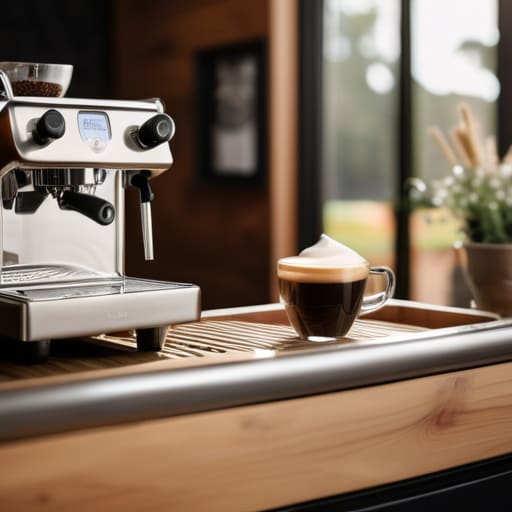
The biggest mistake I see is people treating a mobile espresso bar setup like a tabletop tray of instant granules. It isn’t. A real professional barista service for weddings needs more than just a flat surface; they need a footprint. I’ve seen planners squeeze a high-end machine into a corner only to realize the barista has no room to move their elbows, let alone steam milk. You aren’t just renting a machine; you are renting a workspace that requires a minimum of two square metres of “breathing room” just to prevent the whole thing from becoming a high-pressure steam accident.
Then there is the silent killer: the power draw. A commercial coffee equipment rental isn’t running on AA batteries. If you plug a dual-boiler machine into the same circuit as the DJ or the catering warming lamps, you are going to trip a breaker halfway through the toasts. I always tell my clients to check the wattage before the first guest arrives. If you don’t account for the electrical load, your sophisticated caffeine station will turn into an expensive, silent paperweight exactly when the guests need it most.
Event Beverage Service Timing Avoiding the Post Dinner Bottleneck
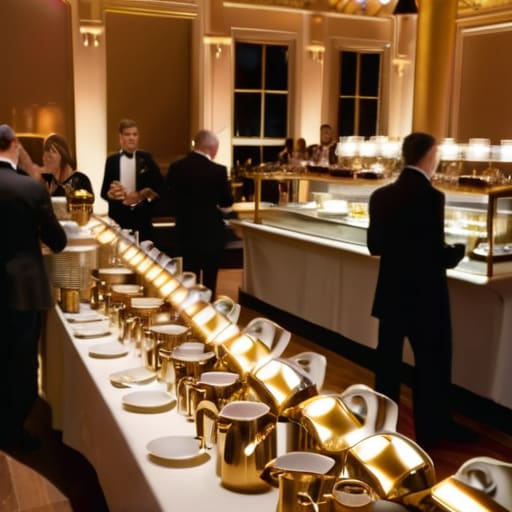
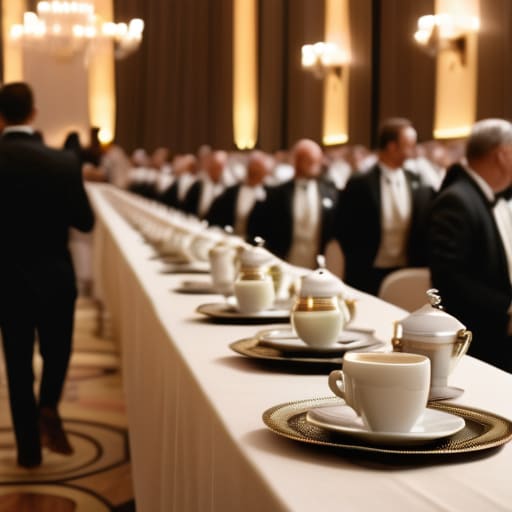
Here is where most planners lose the room. You’ve just finished a three-course meal, the speeches have been delivered, and everyone is simultaneously deciding they need a caffeine hit before the dancing starts. If you treat your coffee service as a background detail, you are essentially inviting a riot. This is the critical window of event beverage service timing: that frantic forty-minute period where your entire guest list converges on a single point. If you haven’t factored in this surge, you aren’t running a smooth event; you’re managing a queue that will frustrate your guests and stall your evening timeline.
To prevent this, you need to look closely at your coffee station staffing requirements. A single person behind a machine can handle a slow trickle, but they will crumble under the weight of a hundred people wanting a flat white at 9:30 PM. I’ve seen weddings where the momentum of the night completely died because guests were standing in a stagnant line for twenty minutes instead of being on the dance floor. Don’t just rent the equipment; plan for the velocity of demand.
Five Things Your Coffee Vendor Won’t Tell You (But Your Schedule Will)
- Don’t let the “coffee station” be a single point of failure; if you have two hundred guests and only one machine, you aren’t providing a service, you’re managing a queue that will eat twenty minutes of your dancing time.
- Check the plug before the caffeine hits; a high-end espresso machine is a power hog, and if you’ve daisy-chained it to a string of fairy lights, you’re going to blow a fuse right when the speeches end.
- Account for the “Milk Meltdown”—if you’re serving cold milk in a warm marquee without a dedicated refrigeration plan, your premium latte service will turn into a food safety headache by 9:00 PM.
- Plan for the sugar-and-stirrer fallout; people don’t just take a cup, they take a spoon, a napkin, a stirrer, and a packet of sugar, which means your “clean” station will look like a disaster zone within fifteen minutes of opening.
- Watch the licence end against the caffeine peak; if your event finishes at midnight, don’t schedule the heavy coffee service for 11:30 PM, or you’ll have a room full of wide-awake guests standing around a dark venue waiting for their cars.
The Bottom Line on the Beans
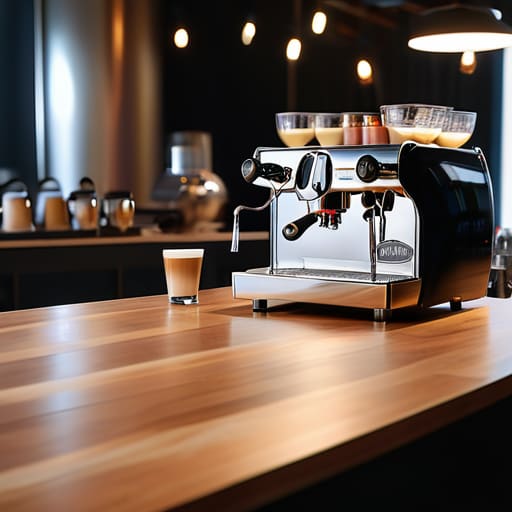
At the end of the day, a successful coffee service isn’t about the roast profile or whether the beans are ethically sourced—though that’s nice for the brochure. It is about the math. It is about ensuring your mobile bar has enough dedicated power so you don’t trip the circuit breaker mid-espresso, and ensuring your floor plan doesn’t turn a simple caffeine fix into a logistical bottleneck that keeps guests trapped in a queue while the dance floor sits empty. If you’ve accounted for the space, the surge in demand after the speeches, and the technical requirements of the machine, you’ve already won half the battle.
People spend months obsessing over the shade of the napkins or the height of the centerpieces, but they rarely think about the mechanics of a mid-evening caffeine hit. Don’t let that be your mistake. When you treat coffee service as a vital piece of your event’s infrastructure rather than an afterthought, you create that rare, elusive feeling of effortless flow. You want your guests to be talking about how much fun they had, not how long they stood waiting for a flat white. Plan the logistics hard, so that when the licence end approaches, the only thing your guests are feeling is the momentum of a perfectly timed evening.
Frequently Asked Questions
How much actual floor space do I need to set aside for a barista station so they aren't tripping over the guests or the catering staff?
You need to stop thinking about a “table” and start thinking about a “work zone.” A single barista needs a minimum of three metres of linear space to function without taking an elbow to a passing waiter. You need room for the machine, the grinder, the milk fridge, and—crucially—the “buffer zone” for the queue. If you don’t budget at least 5 square metres for the station and the guest standing area, you’re just building a bottleneck.
If I’m hiring a mobile coffee van or a high-end espresso bar, what kind of power requirements am I actually looking at so I don't blow a fuse mid-service?
If you’re bringing in a high-end espresso bar, don’t just assume you can plug them into a standard wall socket and hope for the best. These machines are power-hungry beasts; they pull massive amounts of juice to keep that water at temperature. You’re likely looking at a dedicated 16 or 32 amp circuit. If you try to run them off the same line as the catering ovens, you’ll blow a fuse before the first latte is poured.
Is it better to have a continuous coffee station throughout the night, or should I time the service specifically to hit right after the dessert course?
If you’re looking for a “set it and forget it” solution, you’re going to have a bad time. A continuous station sounds easy, but it’s a recipe for a lukewarm, half-empty mess by 10:00 PM.