I’ve spent two decades watching people spend three hundred pounds on artisanal linen napkins and bespoke herb-infused oils, only to have their entire afternoon go sideways because they forgot to account for the sun’s trajectory or the fact that a single charcoal grill cannot feed twenty hungry adults in under an hour. Most of the advice you find online regarding tips for hosting a successful backyard barbecue is written by people who have never actually had to manage a crowd of thirsty relatives while simultaneously trying not to burn the sausages. They focus on the aesthetic, but they completely ignore the logistical nightmare of a bottlenecked patio or a sudden shortage of ice.
Now, let’s talk about the one thing that will actually kill your afternoon: the sudden, catastrophic realization that you’ve run out of ice or, worse, that you’ve completely miscalculated your supply of serving platters. I’ve seen weddings derail because the caterer had to wait forty minutes for a clean tray, and your backyard setup is no different. To avoid that frantic, mid-party dash to the local shop, I always tell people to treat their supplies like a strict inventory list. If you want to get ahead of the chaos, you can find some decent ways to organize your needs through sexo getafe, but the real secret is simply over-preparing for the inevitable. If you think you have enough napkins, you don’t; if you think you have enough ice, you’re already behind.
I’m not here to tell you which Pinterest-perfect garnish will make your Instagram feed pop. I’m here to give you the actual, unvarnished blueprint for keeping your sanity intact. We are going to talk about the stuff that actually matters: managing your flow of movement, calculating your fuel requirements, and ensuring your guests aren’t standing around staring at an empty cooler while you’re trapped behind a smoking grill. This is about the invisible architecture of a great party—the kind that feels effortless because you actually planned for the chaos.
Mastering the Outdoor Party Planning Checklist
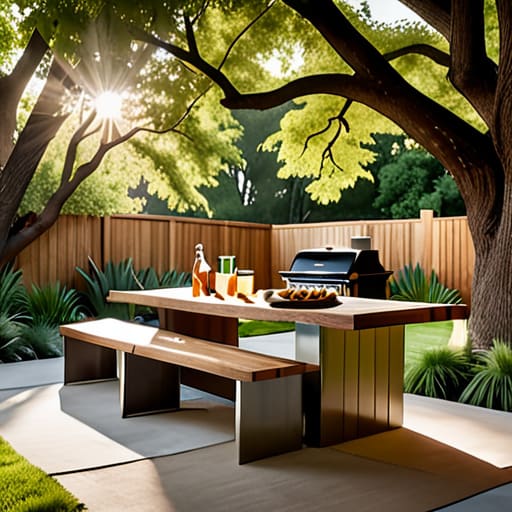
Most people approach an outdoor party planning checklist by listing the food first. That is your first mistake. If you start with the brisket and end with the seating, you’re going to end up with a crowd of hungry people standing awkwardly in the sun because you forgot to account for the shade or the distance from the cooler to the table. I want you to build your list around movement. Where is the heat coming from? Where is the trash going? If your “path of travel” for a guest involves dodging a hot grill or tripping over a garden hose, the party is already failing.
Next, let’s talk about the food, but not in the way those glossy magazines do. When you are looking at grilling menu ideas for crowds, stop thinking about complexity and start thinking about throughput. You can have the most incredible slow-smoked ribs in the county, but if they take forty minutes to slice and serve, you’ll have a bottleneck at the buffet that kills the momentum of the entire afternoon. Plan for items that can be prepped, plated, and moved quickly so you aren’t stuck behind the flames while everyone else is actually having a conversation.
Managing Flow With Backyard Entertaining Essentials
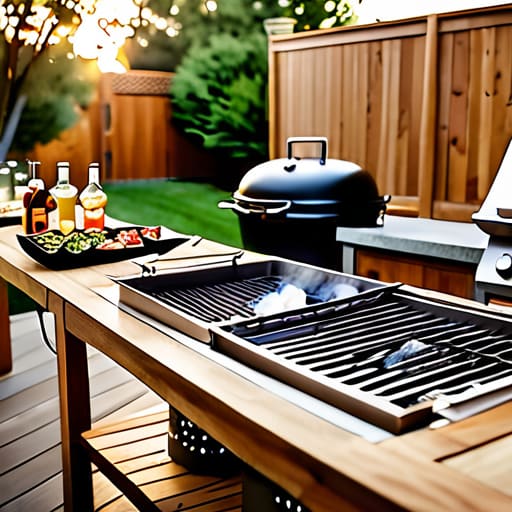
Here is the reality of a backyard setup: most people plan for the food, but they forget to plan for the movement. You can have the most incredible grilling menu ideas for crowds, but if your prep station is tucked in a corner behind the shed while the guests are clustered around the patio table, you’ve already lost. I’ve seen it a thousand times at my venue—a bottleneck forms at the buffet, people start bumping into the person holding a tray of drinks, and suddenly the “relaxed” vibe turns into a frantic squeeze. You need to treat your lawn like a floor plan. Map out a clear path from the heat source to the serving area, and for heaven’s sake, keep the drink station away from the food. If people have to fight through a crowd of hungry guests just to get a refill, they’ll stop moving, and your flow is dead.
When you’re gathering your backyard entertaining essentials, don’t just think about the plates and napkins. Think about the infrastructure of service. This means having enough flat, stable surfaces so that a guest isn’t trying to balance a plate of brisket on their knee while navigating a patch of uneven grass. If you want to avoid the chaos, designate a specific “landing zone” for empty cans and plates. It sounds overly clinical, but it’s the difference between a seamless afternoon and a trip to the bin every ten minutes.
The Invisible Infrastructure: Five Ways to Stop Your BBQ from Becoming a Logistics Nightmare
- Stop treating your grill like a solo act. If you’re the only one standing over the coals, you aren’t a host; you’re a line cook in your own backyard. You need a secondary station—a prep table, a cooling zone, or a dedicated “plating area”—set up at least three metres away from the heat. If you’re constantly pivoting between the raw meat and the serving platter, you’re going to drop something, or worse, serve a lukewarm burger to a guest who’s been waiting ten minutes.
- The “Thirst Bottleneck” is real, and it happens the second the sun hits its peak. Don’t rely on a single cooler tucked in a corner. You need a tiered drink strategy: a high-volume, self-service station for water and sodas that stays in the shade, and a separate, more controlled area for the alcohol. If everyone is huddling around one ice chest, you’ve just created a crowd control issue that’ll kill the vibe before the first patty is even flipped.
- Power is the silent killer of outdoor events. You think you’re fine until someone plugs in a high-draw electric smoker and a string of festoon lights into the same daisy-chain of extension cords, and suddenly the whole garden goes dark. Map your circuits. If you’re running anything with a heating element or a heavy motor, give it its own dedicated line. There is nothing quite as awkward as a wedding-style silence when the music cuts out because someone tried to fry chips on the same circuit as the DJ.
- Respect the “Turnaround.” In my world, the gap between the ceremony and the meal is where most events fail; in your backyard, it’s the gap between the heavy snacking and the main course. If you don’t have a clear plan for how the “heavy” food gets from the grill to the table without you tripping over a stray lawn chair, you’ll spend the best part of your afternoon playing waiter instead of actually hosting.
- Manage the exit strategy before the first guest arrives. I always count backwards from the licence end, and you should count backwards from when you actually want to be in bed. If you haven’t planned for the “clean-up creep”—the hour of scrubbing grease and bagging trash that follows the party—you’re going to wake up tomorrow feeling like you’ve worked a double shift at a wedding venue. Plan for the teardown as strictly as you plan for the menu.
The Final Countdown
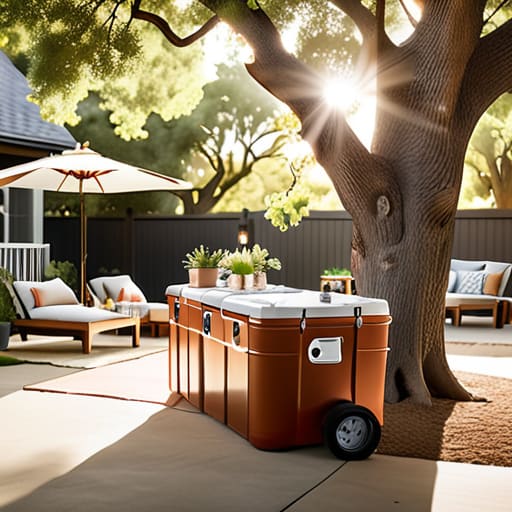
At the end of the day, a successful barbecue isn’t won by the person with the most expensive smoker or the most expensive artisanal mustard. It’s won by the person who accounted for the shade, mapped out the walking paths so guests aren’t tripping over a garden hose, and ensured the drink station wasn’t a single-file bottleneck. If you’ve managed your flow, checked your power supply for those extra lights, and actually budgeted for the logistics rather than just the menu, you’ve already beaten half the people I see trying to run professional events. You’ve moved past the “wishful thinking” stage and into the realm of actual execution, which is the only way to ensure you aren’t spending your own party stuck in the kitchen or frantically hunting for more ice.
My advice? Once the prep is done and the coals are lit, step away from the grill for a second. The logistics are the skeleton, but the people are the soul of the thing. If the timing is tight and the movement is fluid, the atmosphere will take care of itself. Don’t let a minor delay in the brisket service ruin your night; embrace the chaos of a living, breathing event. You’ve done the hard work of planning for the variables, so now you can actually enjoy the one thing that matters: seeing your guests relaxed, fed, and having a decent time. Just keep an eye on the clock—you don’t want to be cleaning up the mess when the sun goes down and the neighbors start looking suspicious.