
I once watched a wedding caterer—a lovely woman, truly—lose her entire deposit and half her profit because a rogue generator blew a fuse, killing the power to the ovens forty minutes before service. The bride was weeping, the groom was staring at a silent kitchen, and the venue manager was counting down the minutes until the licence end with a sinking feeling in his gut. Most people think they can just wing it, or that a “standard” policy covers everything, but they don’t actually understand how event insurance works until the lights go out and the bill for the disaster starts piling up. It isn’t about protecting your flower budget; it’s about protecting your sanity when the logistics inevitably bite you.
I’m not here to sell you a glossy brochure or a list of expensive add-ons you don’t need. I’m going to strip away the industry jargon and tell you what actually matters: where the gaps are, what the fine print is trying to hide, and how to ensure a single mistake doesn’t bankrupt your vision. We’re going to look at the real-world mechanics of coverage, from vendor no-shows to property damage, so you can focus on the party instead of the potential catastrophe.
Table of Contents
Protecting Event Organizers From Loss and Unforeseen Friction
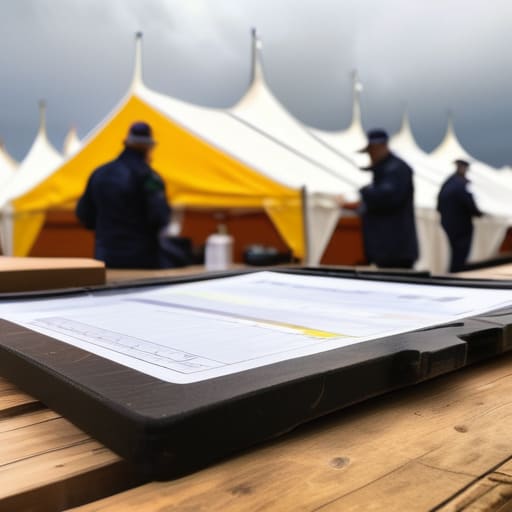
When I’m running a floor, I’m constantly calculating the “what ifs.” What if the marquee company’s truck breaks down on the M4? What if the caterer’s refrigeration fails two hours before service? This is where protecting event organizers from loss moves from a theoretical concept to a survival tactic. You aren’t just buying a piece of paper; you are buying the ability to sleep when the logistics start to fray. Most people think insurance is only for the big, catastrophic failures, but it’s actually about the friction—those mid-sized disasters that can bleed your budget dry before the first guest even arrives.
It’s also about the people. You can have the most seamless timeline in history, but if a guest trips over a rogue AV cable or a vendor accidentally damages the venue’s historic flooring, you’re looking at a massive headache. This is why third party liability insurance is non-negotiable. It sits in the background, handling the legal and financial fallout so you aren’t left footing the bill for someone else’s accident. Whether you are looking at different special event insurance policy types or just trying to patch a hole in your budget, remember: you’re insuring the reality of the day, not the version you saw on Pinterest.
Navigating Special Event Insurance Policy Types for Every Scenario

Now, don’t go assuming one policy covers everything from a spilled tray of champagne to a sudden thunderstorm. You need to look closely at the different special event insurance policy types because they aren’t interchangeable. If you’re hosting a wedding, you’re likely looking at a package that bundles several protections, but you have to be surgical about what’s actually inside. For instance, if a guest trips over a rogue floral arrangement or a rogue waiter, you aren’t just looking at a minor headache; you’re looking at the necessity of third party liability insurance to keep your personal assets from being liquidated by a lawsuit.
Then there’s the heavy hitter: cancellation coverage. I’ve seen it happen—the venue floods, the keynote speaker catches a bug, or the weather turns the garden party into a mud pit. You need to dig into the specific event cancellation coverage details before you sign anything. It’s not enough to know you’re “covered”; you need to know if that coverage includes the non-refundable deposits you’ve already coughed up to the caterer. If the contract doesn’t account for the financial fallout of a forced postponement, you aren’t actually protected; you’re just gambling.
Five Ways to Stop Your Insurance Policy from Being a Paperweight
- Read the fine print on “Force Majeure” before you sign. I’ve seen more weddings derailed by a sudden storm or a local lockdown than by bad catering, and if your policy doesn’t explicitly cover the specific brand of chaos you’re worried about, you’re essentially paying for a very expensive, very useless piece of paper.
- Don’t treat your vendor contracts and your insurance as separate entities. If your florist pulls a disappearing act, you need to know if your policy covers the loss of the deposit or if you’re stuck in a legal tug-of-war with a company that’s already gone bust.
- Factor in the “Transition Gap.” Most people insure the big moments—the ceremony, the dinner—but they forget the messy middle. Make sure your coverage accounts for the setup and teardown periods; that’s when the heavy lifting happens and when most of the accidental damage actually occurs.
- Check your liability limits against the actual guest count, not the “expected” number. If you’ve planned for 150 but 180 people show up and someone trips over a rogue speaker cable, you want to make sure your coverage isn’t stretched thin by the extra bodies in the room.
- Understand the difference between cancellation and interruption. Cancellation is for when the event doesn’t happen; interruption is for when the event starts beautifully but then the power cuts out halfway through the speeches. You need to know which one is actually protecting your bottom line.
The Bottom Line on the Safety Net

At the end of the day, insurance isn’t about checking a box to satisfy a venue manager or a landlord; it’s about recognizing that even the most airtight run sheet has a breaking point. We’ve looked at the different policy types and how they shield you from the financial fallout of a vendor ghosting you or a sudden storm turning your garden ceremony into a muddy disaster. Whether you are covering general liability or specific cancellation clauses, the goal is the same: ensuring that a single logistical failure doesn’t turn into a total financial catastrophe. You can plan for the caterer needing more space or the power tripping during the first dance, but you can’t plan for everything. Insurance is how you account for the unaccountable variables that inevitably show up when the doors open.
I’ve stood in the back of rooms during some of the most beautiful weddings I’ve ever seen, watching a crisis unfold in real-time—a broken generator, a lost shipment of wine, or a sudden venue closure. The difference between the organizers who crumble and the ones who keep their cool is often just having the right fallback. Don’t let the paperwork intimidate you; treat it as just another piece of essential equipment, like a reliable radio or a backup generator. When you secure your event properly, you aren’t just buying a policy; you are buying the peace of mind required to actually enjoy the event you worked so hard to build. Plan the logistics, respect the licence end, and protect your investment.
Frequently Asked Questions
If the venue is already covered by their own policy, why am I paying for a separate one for my specific event?
Look, I get it. I see the venue’s certificate on the wall and think, “Great, we’re covered.” But that policy protects my building, my floorboards, and my bottom line. It doesn’t cover your specific DJ’s equipment tripping a circuit, or the fact that your florist dropped a vase on a guest’s toe. Their insurance covers their house; your insurance covers your chaos. You aren’t paying for overlap; you’re paying so my venue’s policy doesn’t become your legal headache.
Does "unforeseen circumstances" actually cover the small stuff, like a caterer showing up two hours late or a sudden equipment failure?
Look, if you’re expecting a policy to pay out because your florist’s van got a flat tire, you’re dreaming. Most “unforeseen circumstances” clauses are designed for the big, catastrophic stuff—the venue burning down or a storm tearing the marquee apart. A late caterer is a logistical nightmare that ruins your timings, but unless it’s written into your specific coverage, it’s just a headache you have to manage on the fly. Read the fine print.
At what point in the planning timeline do I actually need to pull the trigger on a policy to make sure I'm not left holding the bag?
Don’t wait until you’ve paid the deposits to start thinking about this. The moment you sign a contract with a venue or a caterer—the second money starts moving—is when you need coverage. If a vendor goes bust or a venue floods two months out, you need that paper trail to protect your cash. Ideally, I want to see a policy active the moment the first non-refundable deposit hits. Don’t leave it until the week before.