I once watched a couple spend three thousand pounds on a “gourmet slider station” that arrived at 11:30 PM, only to realize they hadn’t accounted for the fact that their guests were too busy dancing to stand in a queue, or that the narrow service corridor was blocked by a rogue floral installation. Everyone wants to talk about the menu, but nobody actually explains how late night food works when you’re staring down a licence end in ninety minutes and a room full of people who have transitioned from elegant guests to very hungry, very drunk humans. It isn’t about the truffle oil or the artisanal brioche; it is about the physical reality of getting hot food into a crowded room without causing a bottleneck at the bar.
I’m not here to sell you on a fancy catering brochure or a Pinterest-perfect spread. I’m going to tell you what happens when the lights go down and the adrenaline wears off. We are going to look at the unsexy logistics: the actual timing of the delivery, the power requirements for those heavy-duty warming trays, and why your choice of food can either save the party or turn your dance floor into a tactical nightmare.
Table of Contents
Managing Late Night Hunger Triggers and Crowds
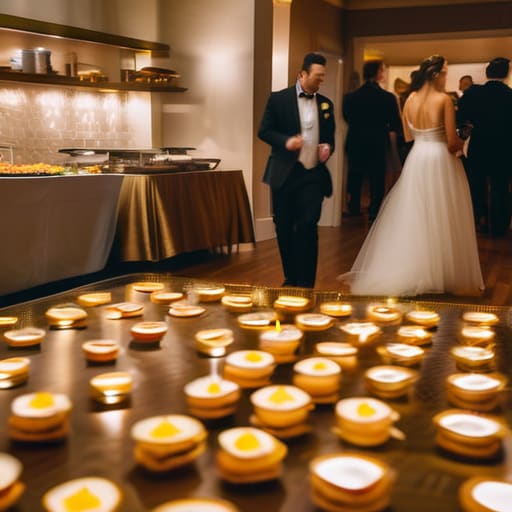
You can’t ignore the biology of a wedding guest. By 11:00 PM, after four hours of champagne and heavy canapés, you aren’t just fighting a craving; you are fighting a physiological shift. We call them late night hunger triggers, but in reality, it’s a combination of alcohol-induced blood sugar crashes and the sheer exhaustion of being “on” for six hours. If you wait until the energy dips to announce the food, you’ll face a stampede. I’ve seen it happen: the music is still pumping, but the crowd suddenly shifts from the dance floor to the buffet line like a slow-motion tidal wave.
The trick is to time the delivery to precede the crash. If you wait until everyone is staring blankly at the DJ, you’ve lost the room. You need to account for how circadian rhythm and digestion play into a party; people don’t want a three-course meal, they want something high-impact that stabilizes them without making them feel sluggish. If you deploy the sliders and fries exactly thirty minutes before the licence end, you aren’t just feeding people—you are managing the crowd’s descent from peak euphoria to the inevitable, hungry trek to the taxi rank.
The Blood Sugar Levels at Night Balancing Act
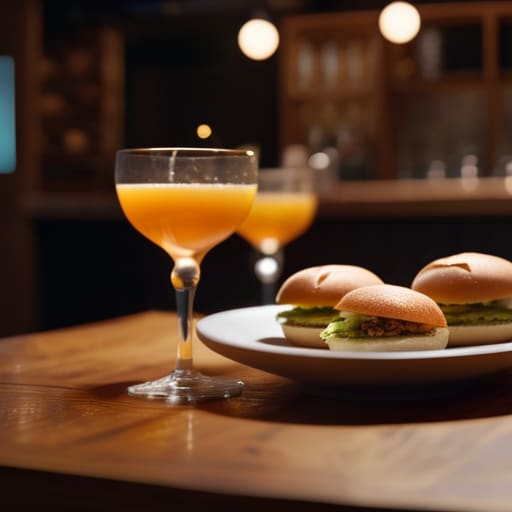
Here is the reality of what happens when the lights go down and the third round of gin and tonics hits the table. You aren’t just feeding people; you are managing a biological crash. By 11 PM, your guests are riding a cocktail of adrenaline and alcohol, which completely wreaks havoc on their blood sugar levels at night. They feel invincible, but underneath the surface, their bodies are screaming for stability. If you serve nothing but pure sugar or heavy, greasy fats without a plan, you aren’t just feeding them—you’re setting the stage for a massive energy slump that kills the dance floor faster than a bad DJ.
I’ve seen it a hundred times: the party is soaring, then suddenly, the energy just evaporates. This is the unseen physics of the late-night snack. It isn’t just about taste; it’s about understanding how circadian rhythm and digestion collide when people are eating at midnight. If you want that momentum to hold until the licence end, you need food that provides a steady hand rather than a spike and a crash. You want something that feels indulgent but actually helps ground the room, ensuring the final hour is a celebration rather than a collective struggle to stay upright.
Five Ways to Stop Your Late-Night Food from Becoming a Logistics Nightmare
- Forget the fancy plating; you need “grab-and-go” physics. If a guest needs a knife, a fork, and a stable table to eat it, you’ve already lost. By 11 PM, people are standing in circles, leaning against walls, or hovering near the dance floor. If they can’t eat it with one hand while holding a drink in the other, it’s not late-night food—it’s a liability.
- The “Buffer Zone” rule. Never, under any circumstances, set up your food station right next to the bar or the main exit. You’ll create a bottleneck that kills the momentum of the party. I’ve seen weddings grind to a halt because a hundred hungry people decided to converge on a single corner of the room, effectively barricading the DJ.
- Account for the “Service Surge.” You aren’t feeding a steady stream of people; you are feeding a tidal wave. There is a specific window—usually about twenty minutes after the music shifts or the speeches end—where everyone hits the food at once. If your caterer only brings out three trays of sliders, you’ll have a riot on your hands by 11:15 PM.
- Check your power and your paths. If you’re bringing in a mobile pizza oven or a heated taco station, I don’t care how much the bride loves the “vibe”—I care if that machine is going to trip the circuit breaker for the entire sound system. And make sure there is a clear, wide path for the staff to get those hot trays from the kitchen to the floor without dodging a bridesmaid in a floor-length gown.
- Time it against the licence end. I always work backwards from the final bell. If your licence ends at midnight, your food needs to be out, hit, and being cleared by 11:30 PM. You don’t want your guests trying to cram down a greasy cheeseburger while the lights are coming up and the security team is ushering them toward the car park.
The Final Countdown to Midnight
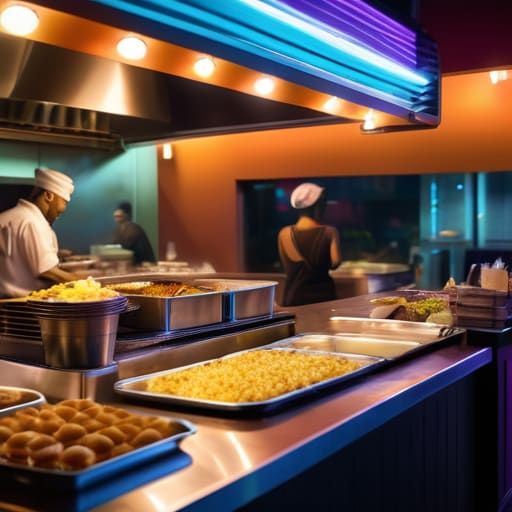
At the end of the day, successful late-night food isn’t about the culinary complexity of a mini slider or the trendiness of a taco truck; it is about the logistical execution of feeding a crowd that is simultaneously exhausted and buzzed. You have to account for the surge in bar traffic, the physical space required for a service station that won’t block the fire exit, and the inevitable drop in energy that occurs when the blood sugar hits the floor. If you time the delivery to hit exactly when the dancing starts to flag—and not twenty minutes after the last guest has already started looking for their coats—you have won half the battle. Remember, the goal is momentum, not a sit-down meal.
I’ve seen enough weddings to know that the most beautiful, flower-laden rooms can be undone by a poorly timed snack run that leaves guests hungry and cranky by the time the lights come up. But when you get it right—when the food arrives precisely when the hunger hits and the service is seamless—the party doesn’t just continue; it transforms. It becomes that effortless, glowing evening everyone remembers. Don’t get distracted by the aesthetics of the menu; plan for the reality of the room. If you master the timing and the flow, you aren’t just feeding people; you are extending the life of the party itself.
Frequently Asked Questions
How much buffer time do I actually need between the last dance and the food hitting the floor so I'm not paying staff to stand around?
If you’re timing this to the licence end, listen closely: you need a twenty-minute buffer, minimum. If you aim for the food to hit the floor the second the last dance finishes, you’re asking for a collision. You need that window for the floor to clear, the music to shift, and the catering team to actually find their footing. Anything less and you’re paying staff to watch a bottleneck form instead of managing the rush.
If my venue has a strict licence end, does the food service need to be wrapped up before the lights go up, or can we push it right to the wire?
If you push it to the wire, you’re asking for a collision. If your licence ends at midnight, the music stops and the lights go up at midnight. You cannot have a caterer trying to navigate a sea of stumbling guests and discarded heels to serve sliders at 11:55 PM. Aim to have the food service finished thirty minutes before the end. You want the food to be the fuel that gets them to the finish line, not a logistical hurdle that keeps them from leaving when the law says they must.
How do I coordinate the caterer's arrival and setup without them tripping over the DJ or blocking the only exit for the guests?
You don’t “coordinate” it; you map it. I’ve seen too many weddings where the slider tray arrives via a gauntlet of dancing bridesmaids, or the caterer’s trolley decides the DJ’s power cables are a convenient ramp. You need a dedicated service corridor—even if that’s just a mental one. Map the arrival time against the music transition. If the DJ is mid-set, the caterer stays in the wings. If the exit is blocked, the party stops. Plan the path, not just the food.