
I once watched a wedding planner spend forty minutes arguing with a florist about the exact shade of “sunset peach” for the centerpieces, while ten feet away, a rogue extension cord was snaking across a damp patch of grass toward a high-wattage uplight. They were obsessing over the aesthetic, but they had absolutely no idea how event lighting is planned from a functional standpoint. They didn’t see the trip hazard, and they certainly didn’t notice that the venue’s circuit was about to scream for mercy the moment the DJ plugged in his subwoofers. Most people think lighting is about picking a pretty glow to make the bride look radiant, but in my experience, it’s actually about not blowing a fuse during the first dance.
I’m not here to sell you on expensive mood sets or tell you that every table needs a bespoke crystal chandelier. What I’m going to give you is the unvarnished truth about the logistics: how to map out your power requirements, where to hide the cables so your guests don’t end up in A&E, and how to coordinate with your tech team so the transition from ceremony to party doesn’t feel like a sudden blackout. This is the stuff the brochures leave out.
Table of Contents
A Venue Lighting Assessment for Real World Chaos
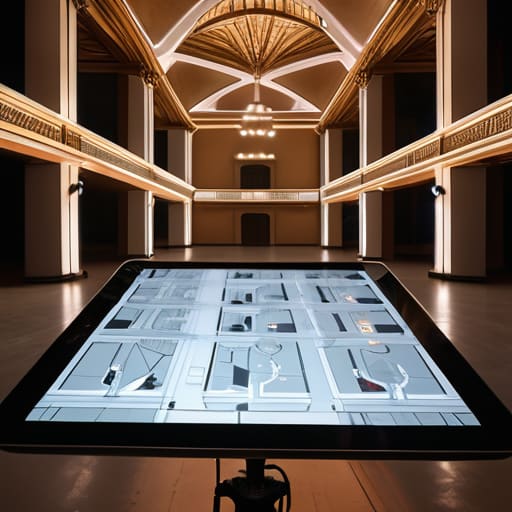
When I walk into a room for a site visit, I’m not looking at the drapery or the floral arrangements; I’m looking for the sockets. A proper venue lighting assessment starts with the floor plan and the power supply, not the mood board. I need to know if that “dreamy” uplighting setup is going to trip a breaker the second the DJ plugs in his subwoofers. You have to map out the physical limitations of the space—where the pillars hide the cables, where the dimmers are located, and whether the ceiling can actually support the weight of a professional rig without a structural engineer getting involved.
The real friction happens when the lighting plot technical requirements collide with the reality of a moving crowd. You might have a beautiful design on paper, but if your lighting technician hasn’t accounted for the sightlines of the banquet tables, you’ll end up with guests eating in the dark or being blinded by a spotlight during the speeches. It’s a delicate dance between ambient lighting vs task lighting; you need enough glow so people can actually see their steak, but enough control so the room doesn’t feel like a high-school gymnasium when the dancing starts.
Mapping the Lighting Plot Technical Requirements
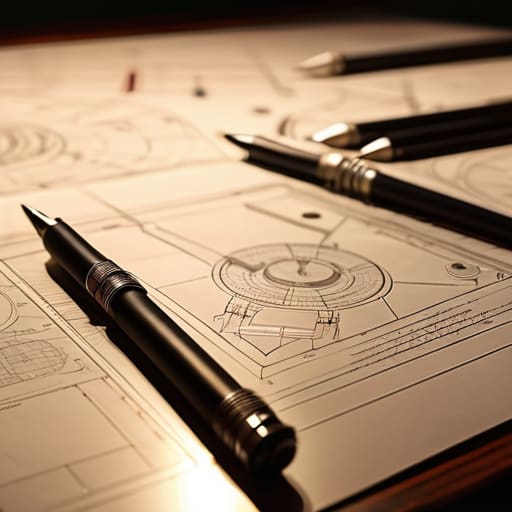
Once you’ve walked the room and identified the potential disasters, you have to translate that chaos into a document that a technician can actually use. This is where most people stumble; they think a “lighting plot” is just a wishlist of pretty colors. In reality, mapping the lighting plot technical requirements is about math and physics. You aren’t just deciding where the uplights go; you are calculating the exact number of circuits you’re pulling from the wall so you don’t end up in total darkness the moment the band plugs in their bass amp.
You need to bridge the gap between the aesthetic vision and the physical limitations of the space. I tell my clients to stop thinking about “vibes” for a second and start thinking about power distribution and signal paths. If your designer wants a massive wash across the dance floor, you need to know if your venue’s breaker panel can handle the load or if you’re going to be tripping fuses mid-first-dance. A proper plan accounts for the distance between the dimmers and the fixtures, ensuring your lighting equipment rental checklist includes enough heavy-duty cabling to reach the furthest corner of the room without creating a trip hazard that sends a bridesmaid to the ER.
The Five Things Your Lighting Designer Won’t Tell You Until They’re Standing in the Dark
- Plan for the “Human Obstacle” factor. You can design the most beautiful, sweeping wash of amber across a dancefloor, but if you haven’t accounted for the three hundred people standing in the way of the beam, you’ve just bought an expensive way to light some backs of heads. Always map your light paths against the expected floor plan, not just the empty room.
- Respect the circuit. A common mistake is thinking a single heavy-duty extension lead is a magic wand. If you’re running high-output moving heads and a DJ rig off the same circuit, you aren’t planning a party; you’re planning a blackout. Calculate your total wattage and spread your loads across different phases before you even think about plugging anything in.
- The “Transition Window” is your biggest enemy. Most planners forget that lighting isn’t static. You need a plan for the shift from the bright, functional “ceremony/conference” look to the “dinner/party” vibe. If that transition takes forty minutes of fiddling with dimmers while guests are trying to find their seats, you’ve lost the room.
- Don’t ignore the “Dead Zones.” It’s easy to light the stage or the head table, but once the room goes dim, people tend to gravitate toward the bar or the exits. If those areas are pitch black, you’re going to have staff tripping over guests and guests spilling drinks. Plan low-level, functional lighting that stays out of the “pretty” shots but keeps the logistics moving.
- Think about the “Exit Strategy” for your power. I’ve seen it a hundred times: the music is pumping, the lights are perfect, and then the licence end hits. You need a lighting plan that allows for a controlled fade-out. Abruptly killing the lights when the music stops feels like a raid; a programmed, slow dim tells the guests—subtly—that it’s time to find their coats.
The Final Check Before the Doors Open
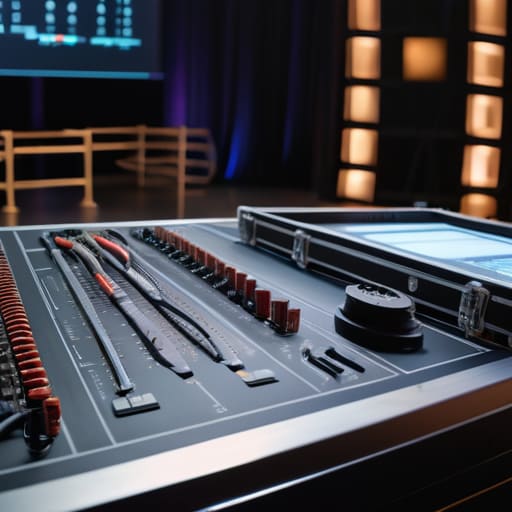
At the end of the day, planning lighting isn’t about chasing a Pinterest board; it’s about the unglamorous math of power draws, cable runs, and sightlines. You’ve assessed the venue’s actual capacity, you’ve mapped out the technical requirements so the DJ doesn’t trip over a dimming cable, and you’ve accounted for the fact that a room looks different under a midday sun than it does at 10:00 PM when the licence is about to expire. If you focus on the infrastructure behind the glow, you won’t be the one standing in a dark room at midnight wondering why the fuse box is humming. Success in this business is found in the details that nobody notices—because when the lighting works, it simply disappears into the atmosphere.
Don’t let the technicalities intimidate you, but don’t let the aesthetics blind you either. There is a massive difference between a room that looks “pretty” in a static photograph and a room that actually functions for a living, breathing event. When you get the logistics right, you create the space for the magic to happen without the friction of a technical failure. My advice? Plan for the chaos, respect the power limits, and remember that the best-lit events are the ones where the guests never once think about the lights.
Frequently Asked Questions
How much extra space do I actually need to set aside for the lighting technicians and their gear so they aren't tripping over the catering staff?
You need to stop thinking about lighting as just a few stands and start thinking about it as a small, highly caffeinated army. For a space my size, I tell people to budget at least a three-metre buffer behind the tech desk and a clear, dedicated path for the crew. If your lighting kit is bleeding into the service aisle, you’re going to have a waiter colliding with a dimmer switch mid-main course. That’s how you end up with a darkened room and a very expensive, very messy lawsuit.
If I’m renting a venue, how do I know if their existing power supply can handle my lighting plot without blowing a fuse halfway through the first dance?
Don’t just ask the venue manager if they have “enough power”—everyone says yes until the bass drops. You need to ask for the specific amperage of their dedicated lighting circuits. Ask if the DJ, the band, and the lighting rig are all sharing one consumer unit or if they’re on separate legs. If they can’t give you a breakdown of the circuit distribution, you’re not planning an event; you’re just gambling with a fuse box.
At what point in the setup timeline does the lighting become a problem for other vendors, like the florists or the table decorators?
Lighting becomes a problem the second the “pretty” setup begins. If your lighting crew is still dangling ladders and running cables while the florists are trying to balance delicate centerpieces or the decorators are hanging silk from the rafters, you’ve got a collision course. I’ve seen it a dozen times: a technician bumps a table, a $500 centerpiece goes flying, and suddenly the “effortless” vibe is dead. Get the rig locked down before the decor arrives.