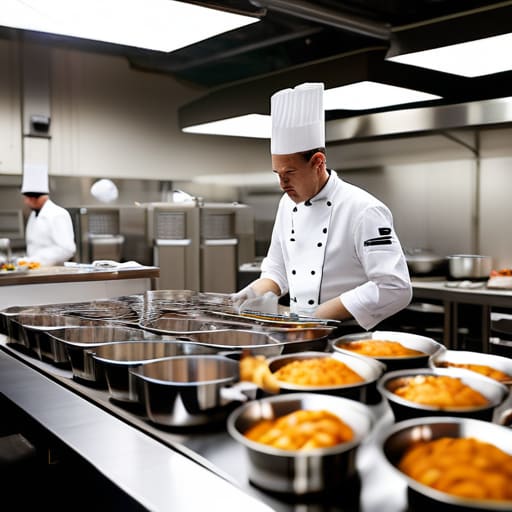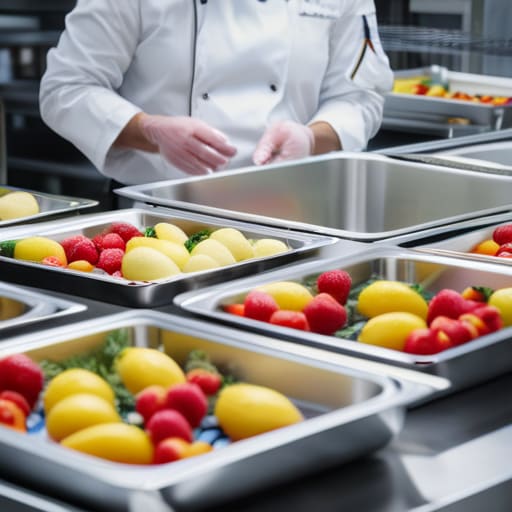
I’ve sat through enough wedding breakfasts to know that people think food safety is about a chef wearing a pristine white hat and a clipboard with a fancy logo. It isn’t. I once watched a high-end caterer nearly ruin a three-hundred-person gala because they assumed a “rustic” outdoor setup meant they didn’t need to worry about how food safety works at events when the sun is beating down on a buffet line. They were so focused on the aesthetic of the grazing table that they completely ignored the fact that the prawns had been sitting in the sun for forty minutes. That’s not a styling choice; that’s a liability.
I’m not here to sell you on expensive temperature sensors or complicated certification checklists that look great in a pitch deck but fail the moment the kitchen gets crowded. I want to talk about the unsexy reality of logistics: where the fridge actually sits, how much power you need to keep it running, and why your caterer needs a clear, temperature-controlled path from the van to the prep station. I’m going to show you how to manage the practicalities so that when the clock is ticking down to the licence end, the only thing your guests are worrying about is whether they can get a second glass of champagne.
Table of Contents
Managing Temperature Control for Mobile Kitchens Under Pressure
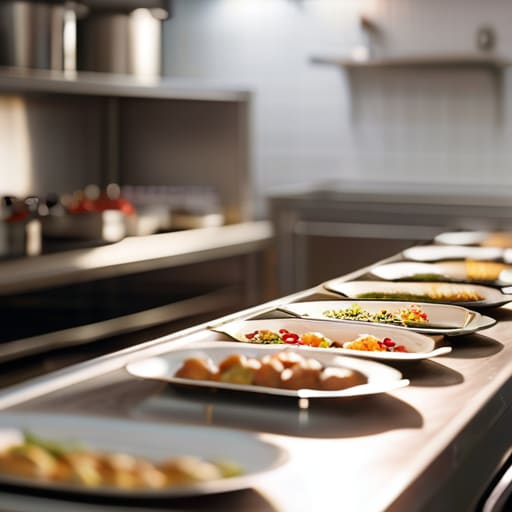
When you’re running a mobile kitchen out of the back of a van or a temporary marquee, you aren’t just fighting the clock; you’re fighting the ambient temperature. I’ve seen more disasters caused by a broken generator than by a chef’s mistake. If the power dips and your refrigeration fails during a mid-afternoon lull, you aren’t just looking at wasted stock—you’re looking at a massive liability. Temperature control for mobile kitchens isn’t a suggestion; it’s the difference between a successful service and a room full of people getting sick. You need a dedicated person watching those gauges, not just assuming the fridge is doing its job because the light is on.
It’s also about the “danger zone” during the rush. When you’re prepping for five hundred people, the temptation is to leave trays of protein sitting on a prep table while you scramble to finish the garnish. That is how you fail at safe food handling for large crowds. You have to treat every minute that food spends out of refrigeration like a ticking clock. I always tell my teams: if it isn’t being cooked or being plated immediately, it goes back in the cold. No exceptions.
Preventing Foodborne Illness at Festivals When Logistics Fail
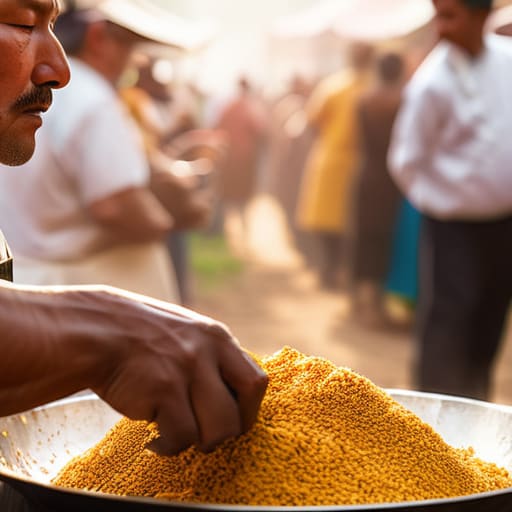
When you’re running a festival, you aren’t just managing food; you’re managing a moving target. The biggest mistake I see is planners assuming that because a vendor has a pretty stall, they have a handle on safe food handling for large crowds. In reality, a festival environment is a nightmare for hygiene. You’ve got dust blowing through the serving area, limited access to clean running water, and a queue of five hundred hungry people staring at the chef. When the pressure hits and the line is out the door, that’s exactly when corners get cut.
The real danger isn’t just a warm chicken skewer; it’s the breakdown of basic cross-contamination prevention in catering. I’ve seen vendors try to save space by using the same cutting board for raw prep and garnish because they didn’t budget for a secondary workstation. It’s a disaster waiting to happen. You have to walk the site and look for the invisible stuff: are they washing hands between tasks, or are they just wiping a cloth on their apron? If you aren’t enforcing strict catering hygiene standards during the peak rush, you aren’t just risking a bad review—you’re risking a mass casualty event.
Five Ways to Stop a Catering Disaster Before the First Plate Hits the Table
- Stop trusting the “it looks fine” method. If your caterer is working out of a marquee or a van, they need a dedicated, logged temperature check every hour. I don’t care how busy the service is; if that chicken has been sitting in the danger zone because they ran out of ice or a generator flickered, it’s a liability, not a buffet.
- Respect the footprint. You can have the most expensive menu in the county, but if you haven’t allocated a specific, clean zone for raw prep that is physically separated from the plating area, you’re asking for cross-contamination. A crowded kitchen is a dangerous kitchen, and “making it work” in a cramped corner is how people end up in the hospital.
- The handwashing station is not optional. I’ve seen it a hundred times: a caterer gets caught in the rush and tries to use a single bottle of hand sanitiser instead of a proper wash station. Sanitiser isn’t a substitute for soap and running water when you’re handling raw proteins and then plating up delicate desserts.
- Watch the “Holding Time” vs. the “Licence End.” This is where the math gets messy. If your licence ends at midnight, your kitchen team shouldn’t be trying to push out hot food at 11:30 PM. Food that has been sitting under a heat lamp for three hours is a ticking clock; plan your service flow so the last plate goes out well before the logistics start to collapse.
- Audit the arrival, not just the service. Food safety starts at the loading bay, not the dining room. If the delivery driver turns up with lukewarm dairy or meat that’s been sitting in the back of a warm transit van for forty minutes, you reject it then and there. Once it’s in your building, it’s your problem, so check the temp before you sign the paperwork.
The Bottom Line
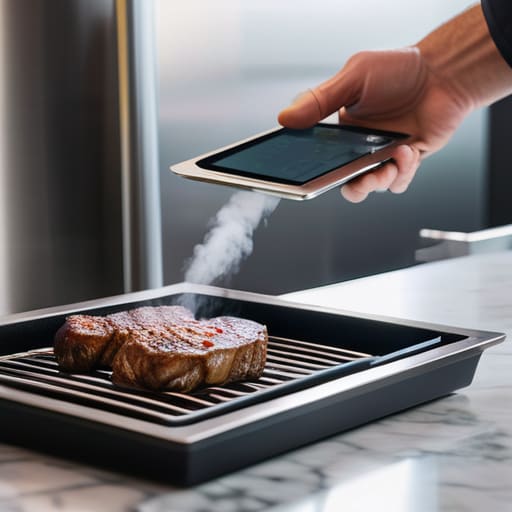
At the end of the day, food safety isn’t a checklist you tick off once the guests arrive; it is a continuous battle against the clock and the elements. You can have the most beautiful grazing table in the county, but if your temperature logs are a mess or your mobile kitchen lacks a dedicated power supply for the refrigeration, you aren’t hosting a party—you’re hosting a liability. It comes down to the unglamorous stuff: ensuring the caterer has a clear path to the prep area, managing the transition from hot holding to service, and respecting the invisible logistics that keep the bacteria at bay. If you manage the movement of the food and the stability of the environment, the rest usually follows.
I’ve seen plenty of events that looked like a dream on Instagram only to fall apart because someone ignored the practical realities of a buffet line in July. Don’t let the aesthetics distract you from the mechanics. When you plan for the worst-case scenario—the power cut, the delayed delivery, or the unexpected heatwave—you aren’t being a pessimist; you are being a professional. Aim for that rare kind of success where the food is safe, the service is seamless, and the guests never even notice the complex web of safety protocols working tirelessly in the background. That is when you know you’ve actually done your job.
Frequently Asked Questions
How do I actually check if a caterer is compliant without sounding like I'm interrogating them during the site visit?
Don’t walk in with a clipboard and a frown; that’s how you get the “polite version” of the truth. Instead, ask about their flow. Ask, “Where’s your prep station going to sit in relation to the service line?” or “How are you handling the hand-washing setup in this space?” If they can answer the logistics of the movement, they know their hygiene protocols. If they stumble on the layout, they’re likely winging the safety part, too.
What happens to the food safety plan when the schedule slips and the buffet is sitting out twenty minutes longer than planned?
When the schedule slips, your food safety plan doesn’t just pause; it starts bleeding. Those twenty minutes feel like nothing when you’re staring at a delayed bridal party, but in the “danger zone,” they’re a liability. I’ve seen it a hundred times: the buffet sits, the temperature creeps up, and suddenly you’re gambling with the guests’ health. If the delay hits, you don’t just hope for the best—you pull the trays, reset, or call it.
If I'm hiring multiple external vendors, who is ultimately responsible when a temperature reading goes sideways in the middle of the service?
Legally? The vendor holds the license and the liability. But if you’re the one who hired them, you’re the one standing in the middle of the chaos when the guests start feeling unwell. I tell my clients: you can delegate the cooking, but you can’t delegate the oversight. You need a contract that clearly defines their responsibility, but you also need a venue manager—or a trusted lead—checking that they aren’t playing fast and loose with the thermometer.