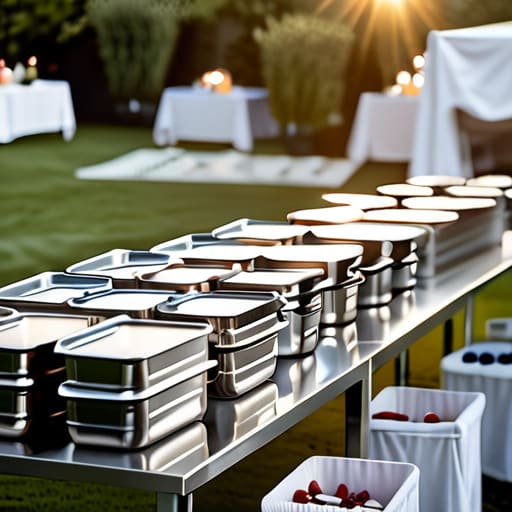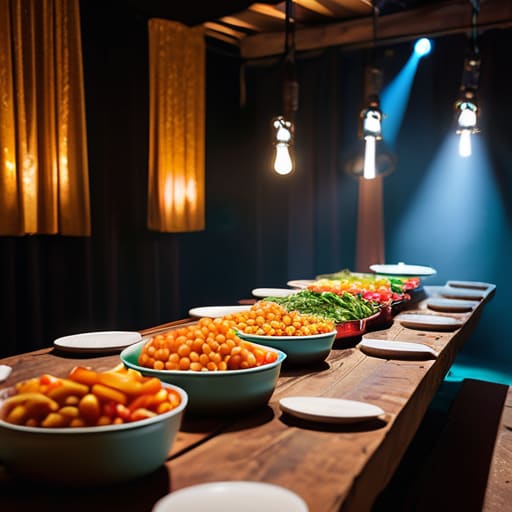
I once watched a wedding photographer—a guy who’d been on his feet for ten hours straight—try to eat a cold, leftover chicken wrap in a dark corner of the service corridor while the guests were halfway through their main course. He looked like he was about to collapse, and frankly, his energy for the rest of the night was non-existent. Most wedding planners will tell you that how supplier meals are handled is just a line item on a spreadsheet, a minor detail to be tucked away in the fine print. They’re wrong. If you treat your crew like an afterthought, you aren’t just being stingy; you are actively sabotaging the very people hired to capture the magic.
I’m not here to give you a checklist of “polite etiquette” or tell you to buy the caterers a tray of sliders. I’m going to tell you the unvarnished truth about the logistics of feeding the people who make your event actually work. We’re going to talk about the timing of the service, the specific budget you actually need to set aside, and how to ensure your DJ isn’t hangry by the time the first dance rolls around. This is about practical management, not wedding blog fluff.
Table of Contents
The Real Cost of Procurement Meal Protocols

When you look at your budget, you’re likely obsessing over the floral centerpieces or the premium gin upgrade. But if you haven’t accounted for your vendor meal policy, you’re leaving a hole in your logistics that will eventually swallow your evening. I’ve seen too many couples treat their photographers and musicians like background scenery rather than essential staff. If your contract doesn’t explicitly outline contractual meal provisions, you’re inviting a headache. You don’t want to be the person standing in the middle of a reception, staring at a hungry DJ who’s lost his rhythm because he hasn’t had a carb since breakfast.
It’s not just about being kind; it’s about the math of the evening. Every minute a supplier spends hunting for a stray sandwich is a minute they aren’t capturing a moment or managing the sound. I always tell my clients: don’t skimp on the crew. If you’re following standard supplier hospitality guidelines, ensure the food arrives at the same time as the guests—or slightly before. If the crew is eating while the guests are dancing, you’ve missed the window. You have to time it perfectly, or you’ll find your professional team is running on empty just when the party hits its stride.
Why Vendor Dining Logistics Dictate Your Timeline

Here is the reality: your timeline isn’t a suggestion; it’s a countdown to the licence end, and every minute your photographer is stuck waiting for a lukewarm sandwich is a minute they aren’t capturing the moments you actually paid for. I’ve seen weddings derail because the vendor dining logistics were treated as a secondary thought. If your DJ is trying to eat a heavy pasta dish while the speeches are starting, or if your videographer is still hunting for a fork when the first dance is due, you aren’t just risking a hungry crew—you are risking the rhythm of the entire evening.
Most planners think they can just “squeeze in” a meal break, but you can’t squeeze time. You need to bake these gaps into the schedule from the start. This means your contractual meal provisions should align perfectly with when your guests are being served. If the guests are eating at 7:00 PM, the crew needs to be fed at 6:15 PM. Timing is everything, and if you don’t synchronize the vendor’s stomach with the guest’s plate, the energy in the room will tank exactly when it needs to be peaking.
Five Ways to Stop Your Suppliers From Crashing and Burning
- Check the “when,” not just the “what.” If you tell your photographer they can eat at 8:00 PM, but the speeches run late and they don’t get a fork in their hand until 9:30 PM, they’re going to be staring at their watch—and your guests—with increasingly hollow eyes.
- Budget for the headcount, even if it feels like a waste. A DJ who hasn’t eaten is a DJ who starts playing “Sweet Caroline” three hours too early just to feel something; feed them properly so they stay professional.
- Don’t make them hunt for scraps in the kitchen. Designate a specific, quiet corner or a side room for the crew. If your videographer is sitting on a milk crate next to the dishwasher, they aren’t focused on capturing the magic, they’re focused on the noise.
- The “Same Food” Rule is a trap. While you don’t need to serve the florist a lobster tail, don’t expect them to thrive on cold pizza if the guests are having a three-course roast. If the energy in the room is high, the crew needs fuel that actually provides energy.
- Sync the meal with the “dead air” windows. The best time to feed the team is during the transition between the wedding breakfast and the evening entertainment. If you time it right, they’re fueled up and ready to go the second the first dance hits, rather than being mid-bite when the party starts.
The Bottom Line on Vendor Fuel
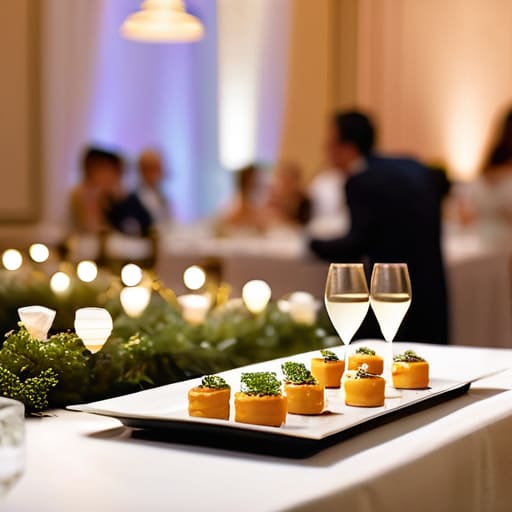
At the end of the day, managing supplier meals isn’t about being “nice”—though a well-fed crew is certainly more pleasant to deal with—it is about protecting your investment. If you ignore the logistics of when, where, and how your photographer and DJ eat, you aren’t just saving a few quid on a plate; you are actively sabotaging the energy of the room. You have to account for the timing, the physical space required for them to sit without being in the way, and the reality that a hungry vendor is a distracted vendor. When you treat their nutrition as a non-negotiable line item in your logistics plan, the entire event runs smoother, the timeline stays on track, and you avoid that awkward moment where the music stops because the DJ is currently scavenging for a cold sandwich in the hallway.
Don’t let the beautiful Pinterest boards distract you from the mechanical reality of the day. A wedding is a high-performance machine, and your suppliers are the engine. If you plan for the gaps, the breaks, and the basic human needs of the people working behind the scenes, you create the space for the magic to actually happen. When the logistics are invisible, the event feels effortless, and that is exactly what you are paying for. Plan the hard stuff now, so you can actually enjoy the party when the licence finally hits its end.
Frequently Asked Questions
When exactly should the photographer and DJ be eating so they don't miss the key moments?
The golden rule? They eat when your guests eat. If you try to be “efficient” and feed the crew during the speeches, you’ve just created a massive liability. You want that photographer fueled and alert for the cake cutting, not staring blankly at a plate of lukewarm risotto. Aim to have them seated ten minutes before the first course hits the tables. If they aren’t back in position by the time the plates are cleared, your timeline is already bleeding.
Do I actually have to pay for my suppliers' meals, or is that something they handle themselves?
Look, here’s the reality: if you want your photographer to stay until the final dance and your DJ to keep the energy up, you feed them. Most professional contracts assume a hot meal is included in your package. Don’t let them hunt for scraps while your guests are eating the sea bass; a hungry vendor is a grumpy, distracted vendor. Budget for it now, or you’ll be paying for it in diminished service later.
Where are these people supposed to eat if the venue is already packed with guests?
They don’t eat in the ballroom. If you try to squeeze a photographer and a florist into the main dining room while your guests are halfway through a three-course meal, you’ve already lost the room. Usually, it’s a designated break room or a quiet corner of the prep area. It’s not glamorous, and it’s often just a folding table and a lukewarm coffee, but it keeps the “work” separate from the “celebration.”