I once watched a couple spend six months obsessing over the exact shade of linen for their garden wedding, only to have the entire afternoon dissolve into chaos because they hadn’t realized their driveway was a single-lane bottleneck for catering vans. Everyone tells you that hosting at home is the ultimate way to achieve that “intimate, effortless” vibe, but let’s be honest: if you don’t understand how private homes work as venues, that intimacy quickly turns into a claustrophobic mess of spilled wine and angry neighbors. People spend a fortune on the aesthetic, yet they completely ignore the fact that a residential kitchen isn’t a commercial prep station and a beautiful lawn is just a muddy pit waiting to happen once fifty people start dancing on it.
I’m not here to sell you on the magic of fairy lights or the charm of a family heirloom table. My job is to talk about the unseen mechanics—the power requirements for a coffee machine, the bathroom-to-guest ratio, and the exact moment your neighbours will start calling the council. I’m going to give you the straight truth on the logistics that actually matter, so your big day feels as seamless as it looks in the photos.
Table of Contents
A Home Venue Facility Checklist for the Unseen Details
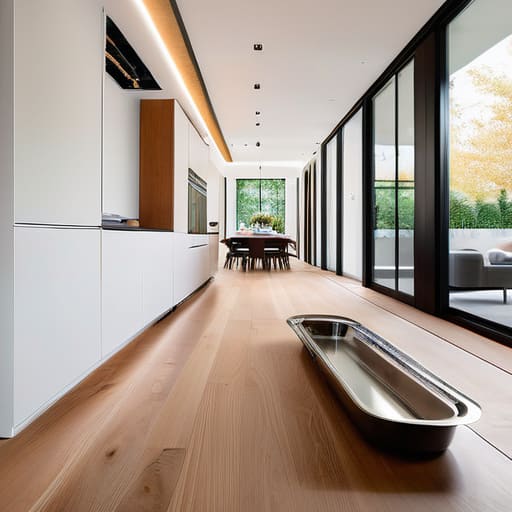
Before you start picking out linen napkins, you need to look at your house through the eyes of a service provider. A proper home venue facility checklist doesn’t start with the decor; it starts with the guts of the building. I’m talking about your electrical circuits. If you’ve got a DJ, a caterer with warming cabinets, and a string of fairy lights all plugging into the same kitchen circuit, you aren’t throwing a party—you’re staging a blackout. Check your amperage, map out your power points, and for heaven’s sake, make sure there is a clear, unobstructed path from the kitchen to the dining area. If your hallway is a bottleneck, your food is going to be cold before the first guest even sits down.
Then there is the matter of the perimeter. When you are hosting events in residential areas, the world outside your front door becomes your biggest headache. You need a concrete plan for managing guest parking at home so you don’t end up with a fleet of cars blocking every driveway on the street. If you don’t have a dedicated spot, you’re inviting a very unhappy phone call from the local council or a very loud neighbor. Map out the access points for the delivery vans, too; if the caterer can’t get their van within twenty meters of the service entrance, they’ll be spending half the evening playing Tetris with crates of glassware.
Home Venue Rental Logistics Beyond the Aesthetic
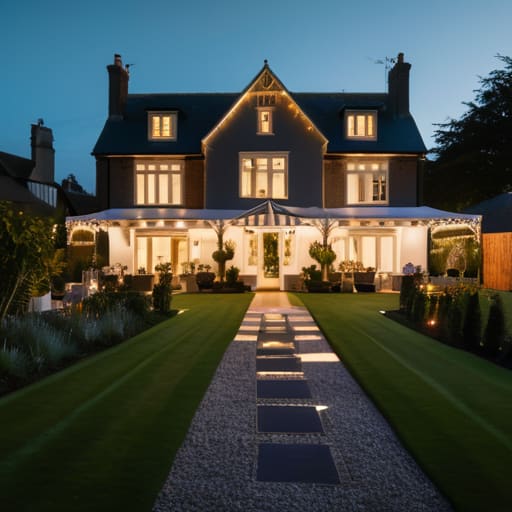
Let’s talk about the elephant in the room: the neighbors. You can have the most stunning marquee and the finest catering, but if you haven’t planned for minimizing noise disruption for neighbours, you aren’t hosting a party—you’re hosting a local feud. I’ve seen weddings end prematurely not because the bride cried, but because a local resident called the police at 11:05 PM. You need to be looking at your licence end time and working backwards from there. If your music is pumping through a thin brick wall at midnight, no amount of fairy lights is going to save you from a fine or a very angry community.
Then there is the movement of people and things. Managing guest parking at home is where the “dream” wedding usually hits a brick wall. If you have forty cars arriving simultaneously on a narrow lane, you don’t have a venue; you have a traffic jam. You need a plan for drop-offs, a designated spot for the caterer’s van, and a clear path for the elderly guests who aren’t going to trek across a muddy field. If you haven’t mapped the flow of foot traffic, your beautiful garden will become a chaotic bottleneck in twenty minutes flat.
Five Ways to Stop Your Living Room from Becoming a Logistics Disaster
- The Bathroom Bottleneck: You might think a beautiful marble vanity is the highlight of your home, but if you have sixty guests and only two toilets, you’ve just created a permanent queue. I’ve seen weddings grind to a halt because people were too busy waiting for a stall to actually enjoy the party. Rent the luxury portable trailers—the ones that actually look decent—and place them somewhere they don’t block the service entrance.
- The Power Grid Reality Check: Most residential fuse boxes are designed to run a toaster and a TV, not a professional DJ, a catering warming cabinet, and a string of fairy lights. If you plug everything into one circuit, you’re going to spend the most important part of the night in the dark while someone hunts for a spare fuse. Map your power needs early and get a heavy-duty distribution board on site.
- The “One-Way” Traffic Rule: In a venue, we design flow. In a home, you have hallways, narrow doorways, and that one awkward corner by the piano. If your guests have to backtrack to get to the bar, they will. You need to establish a clear, one-way loop for movement so you don’t end up with a human pile-up near the hors d’oeuvres.
- The Trash Management Crisis: People are polite until they’ve had three gin and tonics. After that, they’ll leave a glass on any flat surface they can find. If you don’t have clearly marked, high-capacity bins positioned near the exits and the bar, your “dream home” will look like a landfill by 10:00 PM. And remember: the bins need to be hidden from the photos, but accessible for the cleanup crew.
- The Hard Stop: This is the one that ruins friendships. Your house doesn’t have a security team to usher people out; you do. If your local noise ordinance kicks in at midnight, you need to be planning your exit strategy at 11:15. I always tell clients: work backward from the licence end. If the music has to stop at 12, the last drink should be poured at 11:30, or you’ll be spending the final hour of your celebration arguing with a neighbor.
The Reality Check
At the end of the day, hosting an event in a private residence isn’t about whether your living room looks good with those linen napkins; it’s about whether your circuit breakers can handle a professional coffee machine and a DJ simultaneously. You have to account for the power, the parking, the waste management, and that inevitable bottleneck at the single hallway leading to the restrooms. If you haven’t mapped out the unseen infrastructure—the literal plumbing and electrical guts of the house—you aren’t planning a party, you’re planning a crisis. Success in a home venue comes down to realizing that logistics are the foundation upon which every beautiful memory is built.
If you can solve the math of the movement and the mechanics of the space, you unlock something a hotel or a purpose-built marquee can never quite replicate. There is a specific kind of magic in a space that feels lived-in, where the walls actually hold stories rather than just being neutral backdrops for a photographer. When the timings are tight, the caterers have their three metres of breathing room, and the neighbors have been briefed, the “logistics problem” disappears. What’s left is an event that feels entirely effortless, even if you know exactly how much hard work went into making it look that way.
Frequently Asked Questions
How do I handle the inevitable power surge when the caterer plugs in their ovens and the band plugs in their amps at the same time?
You don’t “handle” it; you prevent it by doing the math before the first guest arrives. A domestic fuse box isn’t a professional distribution board. If your caterer is running three electric ovens and the band decides to kick off their bass rig at the same time, you aren’t just looking at a blown fuse—you’re looking at a dark room and a very expensive, very awkward silence. Map your circuits, separate the heavy hitters, and if the math doesn’t work, rent a generator.
What’s the realistic way to manage guest flow so the entire party doesn't end up bottlenecked in the one narrow hallway leading to the bar?
You don’t solve a bottleneck with “decor”; you solve it with physics. If your bar is at the end of a narrow hallway, you’ve just built a human dam. Stop trying to force everyone through that single artery. You need to break the flow: put high-top tables or a secondary drink station at the mouth of the hallway to encourage lingering, and for heaven’s sake, ensure the service area is wide enough for the staff to move against the crowd.
How do I set a hard boundary on the licence end time when the guests are mid-toast and the neighbours are already watching?
You don’t set the boundary at the end of the night; you set it during the planning. You tell the client—and the Best Man—exactly when the music stops. When the toasts start hitting that awkward 11:15 PM window, you don’t wait for a noise complaint. You walk up, catch the eye of the person with the mic, and give them the “five-minute warning” look. The party doesn’t die; it just transitions. Moving the energy to a quieter space is easier than fighting a licence.