I once watched a wedding planner spend forty minutes debating the exact shade of sage green for the linen napkins while the caterer stood in the driveway, staring helplessly at a locked gate because nobody had cleared a path for the van. It was a beautiful disaster in the making. Everyone wants to talk about the aesthetic of a summer soirée, but they completely ignore the logistics of outdoor garden party catering. You can have the most Pinterest-perfect floral arrangements in the world, but if your chef is trying to sear steaks on a single extension cord stretched across a muddy lawn, your “dream day” is going to end with a tripped circuit breaker and very hungry guests.
Once you’ve sorted the ovens and the rain covers, you have to tackle the most unpredictable variable in the entire equation: the people. You can have the most efficient service flow in the world, but if your guests are wandering around aimlessly or struggling to find the service area, your timing goes out the window and your staff starts getting stressed. I’ve found that the best way to smooth those edges is to focus on how you’re actually meeting people in region to ensure they feel directed rather than lost. It’s about managing the flow before the first plate even leaves the kitchen; if you don’t orchestrate the movement of the crowd, you’ll spend the whole evening playing catch-up with a hungry mob.
I’m not here to sell you on color palettes or expensive centerpieces. My job is to tell you what happens when the sun goes down and the reality of your site layout hits the fan. I am going to walk you through the unseen mechanics of a successful outdoor event—from calculating power loads and water access to ensuring your service staff isn’t trekking half a mile just to find a bin. We’re going to focus on the grit, the timings, and the practical groundwork that actually keeps the champagne flowing and the food hot.
Mobile Catering Equipment for Outdoor Venues Beyond the Pretty Plates
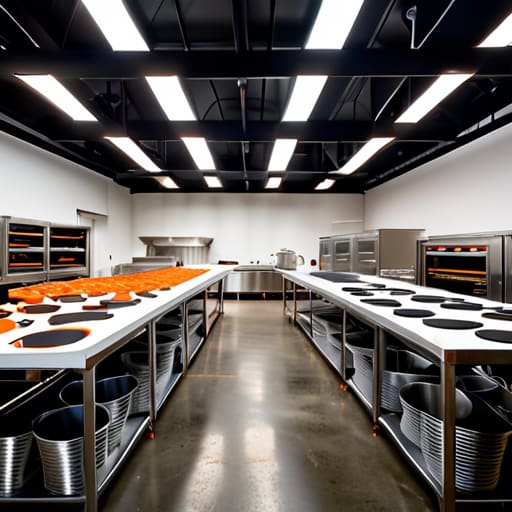
Everyone spends their budget on the linen and the artisanal sourdough, but nobody talks about the heavy lifting. If you’re hiring a mobile kitchen, you need to stop looking at their menu and start looking at their power requirements. Most people assume a caterer just rolls up with a van and a dream, but unless they’re bringing a silent generator, they’re going to trip every breaker in your garden. You need to ensure their mobile catering equipment for outdoor venues isn’t just functional, but compatible with your site’s actual capacity. I’ve seen a three-course summer wedding descend into chaos simply because the chef couldn’t plug in a single induction hob without blowing the lights on the marquee.
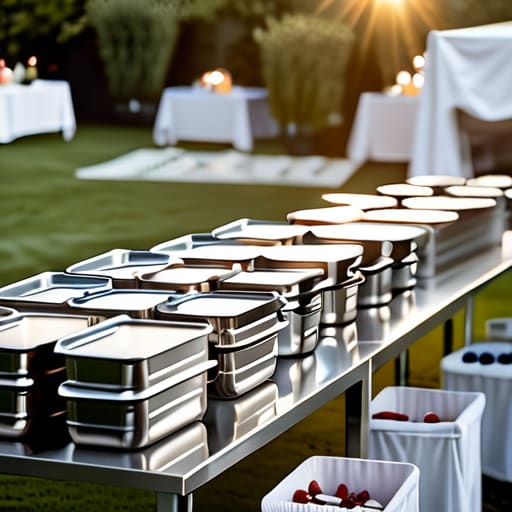
Then there’s the silent killer: the sun. You can have the most sophisticated garden party menu planning for summer in the world, but if your caterer hasn’t accounted for outdoor event food safety temperature control, you aren’t hosting a party—you’re hosting a food poisoning seminar. I don’t care how beautiful the platter looks; if the prawns have been sitting in 28-degree heat for forty minutes because the cooling equipment was an afterthought, the event is dead in the water. Check their cooling specs before you sign the contract.
Weather Contingency Planning for Catering When the Sky Breaks
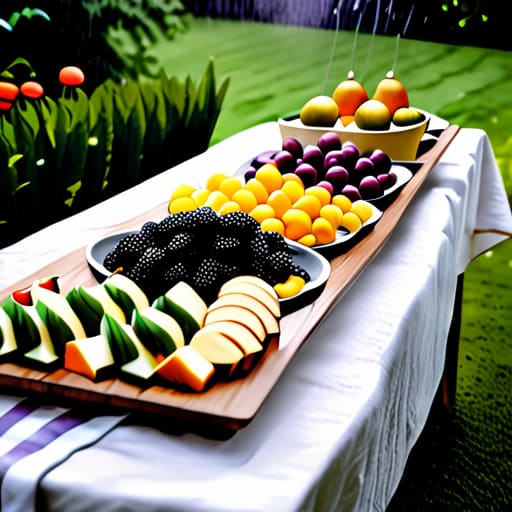
Look, I’ve seen it happen a hundred times: the sky is a perfect, unblemished blue at 11:00 AM, and by the time the first course is being cleared, the clouds have turned the color of a bruised plum. Everyone panics about the decor, but I’m looking at the buffet. If you haven’t factored in weather contingency planning for catering, you aren’t just risking a few wet guests; you are risking a massive liability. Rain doesn’t just ruin the mood; it changes the physics of your service. Suddenly, your open-air setup is a wind tunnel, and your carefully curated spread is being pelted by grit or, worse, becoming a breeding ground for bacteria.
The real headache is outdoor event food safety temperature control. When the sun beats down, your chilled prawns become a ticking clock; when the rain hits and the temperature drops, your hot holding equipment has to work twice as hard to keep things above the danger zone. You cannot rely on a single gazebo to save you. You need a “Plan B” that accounts for how you’ll move the entire service indoors or under cover without a twenty-minute delay that leaves a hundred hungry people staring at you expectantly.
The Realities of the Field: 5 Things Your Planner Won't Mention
- The Power Problem: Stop assuming you can just run an extension cord from the kitchen window. If your caterer is bringing hot ovens, coffee machines, or even just heavy-duty warming trays, they are going to pull more juice than your house can handle. You either need a dedicated circuit or a silent generator, otherwise, you’ll see the lights flicker right as the first course hits the table, and trust me, nobody wants to eat dinner by candlelight because the circuit breaker tripped.
- The Water Gap: People forget that cooking is a wet business. If your caterer is set up in a far corner of the garden, they need a way to wash hands, rinse veg, and clean plates without trekking back to your house every five minutes. Ask them if they’re bringing their own potable water supply or if they need a heavy-duty hose connection. If they’re walking twenty metres every time they need to rinse a pan, your service timing is already dead in the water.
- The Trash Trail: A beautiful garden party can turn into a landfill in ninety minutes if you don’t plan the waste stream. It isn’t just about having a bin; it’s about where those bins live. You need a discrete, high-capacity solution that is tucked away from the guests but close enough for the staff to clear plates quickly. If the caterer has to haul bags of scraps through the middle of your cocktail hour, the “effortless” vibe you’re paying for is gone.
- The Surface Struggle: I have seen more weddings derailed by a wobbly table than by a bad speech. If you are setting up on grass, you are fighting physics. Tables sink, chairs tilt, and heavy buffet trays become a tipping hazard. Ensure your caterer knows the terrain; they might need levelling plates or even a temporary hard-standing area. If the table isn’t level, the wine won’t stay in the glass, and the guests will notice.
- The Access Window: This is the one that kills the mood. You need to map out the “load-in” and “load-out” with surgical precision. If the caterer’s van arrives at the same time as your florist, or if they have to navigate a narrow side gate while your guests are arriving, you’ve got a bottleneck. Work backward from your service start time. If they need an hour to set up, they need to be on-site two hours early. Logistics don’t happen in a vacuum; they happen in the gaps between your guests’ arrivals.
The Final Countdown
At the end of the day, a successful garden party isn’t won by the centerpiece or the artisanal garnish; it’s won in the margins. You’ve looked at the power requirements, you’ve mapped the van access, and you’ve got a Plan B for when the clouds inevitably turn grey. If you’ve accounted for the caterer’s footprint and ensured the drink service can actually handle a hundred thirsty guests at once, you’ve already done more than most. Remember, the goal isn’t to have a perfect Instagram feed; it’s to ensure that when the licence end approaches, the kitchen isn’t in a panic and your guests aren’t standing around wondering where the forks went. Logistics are the invisible scaffolding that keeps the whole thing from collapsing.
Once you’ve tightened up the timings and secured the infrastructure, you can finally stop worrying about the plumbing and start focusing on the people. There is a specific kind of magic that happens when a party feels seamless—when the food arrives hot, the drinks are cold, and nobody notices the massive effort it took to make it look that easy. That “effortless” vibe is a lie, of course, but it’s a beautiful one. Do the hard work in the shadows so that when the sun is out and the glasses are clinking, the only thing anyone has to think about is how much they’re enjoying themselves.