I’ve sat in the back of a darkened ballroom, nursing a lukewarm coffee, watching a wedding breakfast descend into absolute chaos because the best man decided his eulogy for the groom needed to be a twenty-minute stand-up routine. You see it on every Pinterest board and wedding blog: beautiful, seamless timelines that look perfect on paper but fall apart the second a bridesmaid trips or a caterer realizes they’re short on silver. Everyone wants to talk about the floral centerpieces, but nobody tells you the truth about how to manage overrunning schedules when the clock is ticking toward a hard licence end. If you’re relying on a “flow” rather than a calculated buffer, you aren’t planning an event; you’re just hoping for the best.
I’m not here to sell you on a new scheduling app or a fancy color-coded spreadsheet that looks pretty but lacks teeth. I’m going to tell you how the gears actually grind when things go sideways. We’re going to talk about the invisible gaps—the transitions, the service bottlenecks, and the ruthless decision-making required when you’re running out of time. This is about the logistics of reality, not the fantasy of the brochure.
Table of Contents
Identifying Schedule Slippage Before the Drinks Run Dry
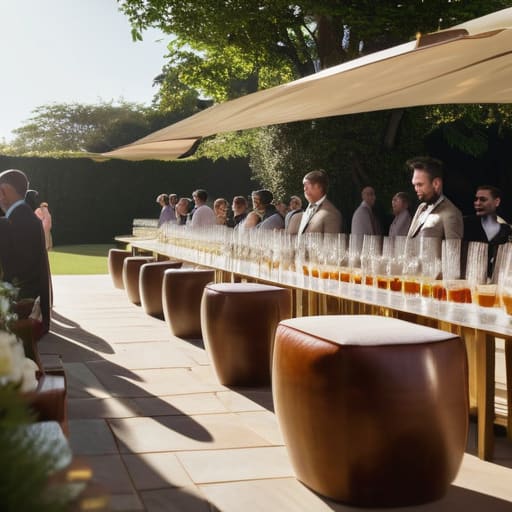
You don’t spot a disaster by looking at the itinerary; you spot it by watching the guests. If the ceremony finishes fifteen minutes late, don’t look at the bride—look at the bar queue. When that line starts stretching toward the entrance, you aren’t just dealing with a minor delay; you are witnessing identifying schedule slippage in real-time. That lag is a canary in the coal mine. It tells me the transition from the aisle to the cocktail hour has failed, and if I don’t act, that delay is going to migrate straight into the seated dinner service.
I’ve learned to watch the “critical path” of an evening like a hawk. If the photographer is still shooting portraits while the caterers are trying to plate the first course, the whole evening is tilting. At that point, you stop being a host and start using resource reallocation techniques—I’m talking about moving two extra staff members to the cloakroom to clear the bottleneck or telling the DJ to skip the formal entrance music to claw back ten minutes. You have to catch the drift before the momentum carries the whole event off a cliff.
Critical Path Analysis for the Unseen Logistics Gap

Most people look at a wedding itinerary and see a lovely sequence of events: vows, champagne, dinner, dancing. I look at it and see a series of dependencies that are all waiting to trip each other up. This is where you need a bit of critical path analysis, though I’d never use that much jargon with a bride on her wedding morning. In my world, it means knowing exactly which dominoes, if knocked over, will take the whole evening down with them. If the photographer is stuck in traffic, the portraits don’t happen; if the portraits don’t happen, the couple isn’t ready for the grand entrance; if they aren’t ready, the kitchen staff sits there watching their hot food turn into expensive leftovers.
You have to map out these invisible links to master preventing project delays before they even manifest. It isn’t about adding more time to every single item—that’s just padding the budget for no reason. It’s about knowing which transitions are “load-bearing.” If the transition from the ceremony to the cocktail hour is a single, fragile thread, you need to build in a contingency that doesn’t rely on everyone being perfectly on time. You aren’t just managing a schedule; you’re managing the physics of moving two hundred people from point A to point B without breaking the flow.
Five Ways to Stop the Clock from Killing Your Event
- Build a ‘buffer zone’ that isn’t just empty time. If you think the transition from ceremony to cocktails takes fifteen minutes, budget for twenty-five. That extra ten minutes isn’t for lounging; it’s the insurance policy you use when the bride’s aunt decides to hold up the aisle or the photographer realizes they’ve lost the lighting kit.
- Identify your ‘hard stops’ and work the entire day backwards from them. The licence end is non-negotiable. The caterer’s kitchen exit is non-negotiable. If you don’t anchor your schedule to the moments that cannot move, you’ll spend the last hour of the night frantically trying to serve dessert while the police are knocking on the door.
- Assign a ‘Timekeeper’ who isn’t the person in charge of the emotions. You cannot ask the wedding planner or the venue manager to keep time if they are also busy calming down a hysterical mother-of-the-bride. You need one person whose only job is to look at their watch and tell the MC, “We are five minutes behind, skip the next anecdote.”
- Prioritize the ‘High-Impact’ moments when the schedule starts to bleed. If you’re running late, you don’t cut the speeches—that’s a recipe for a riot—you cut the fluff. Shorten the transition between courses or tighten the gap between the meal and the first dance. You sacrifice the logistics, not the sentiment.
- Watch the catering flow like a hawk. A kitchen is a finely tuned engine, and if the speeches run long, the food sits. A cold steak is a much faster way to ruin a wedding than a slightly delayed dance floor. If the schedule slips, you need to communicate with the chef immediately so they can hold the line or adjust the heat, rather than letting them serve lukewarm disappointment.
The Hard Truth About the Final Hour

At the end of the day, managing a schedule isn’t about staring at a printed itinerary and hoping for the best; it is about respecting the physics of the room. You have identified the slippage, you have mapped the critical path, and you have accounted for the caterer who needs more space than the floor plan promised. But none of that matters if you don’t realize that time is a non-renewable resource in a venue. Once the licence end hits, it hits, whether the cake has been cut or not. You cannot negotiate with the clock, and you cannot ask the local council to extend the music by twenty minutes because the groom’s uncle finally found his speech. Success lies in the invisible buffers you build into the gaps, ensuring that when the inevitable delay happens, it’s a minor hiccup rather than a total collapse of the evening.
If you do the heavy lifting on the logistics now, you get to do something rare in this industry: you get to actually enjoy the event. When the timings are tight and the transitions are seamless, the guests don’t see the frantic maneuvering behind the service doors; they only see an evening that feels effortless. My goal isn’t to turn you into a pessimist, but to make you a realist. Plan for the chaos so that you can command the calm. Because when the lights go down and the last guest departs, the most successful events aren’t the ones that looked the prettiest in the photos—they are the ones that actually finished on time.
Frequently Asked Questions
If the ceremony runs forty minutes late, at what point do I stop trying to "catch up" and just make the hard call to cut the speeches?
You make that call the second you realize the delay has pushed your dinner service into the “hangry” window. If the ceremony is forty minutes behind, you aren’t “catching up”; you’re just chasing a ghost. Don’t let the speeches cannibalize the meal or the dance floor. Cut the long-winded ones, merge the toasts into one, and move straight to food. Better to have a quiet dinner than a room full of starving, irritable guests.
How much of a buffer should I actually build into the transition from drinks to dinner without making the guests feel like they're sitting around waiting for nothing?
You’re looking for the “Goldilocks” zone, and it’s usually twenty minutes. Anything less and you’re sprinting to get the tables set while guests are still hovering by the bar; anything more and you can hear the collective groan of boredom. The trick isn’t just the time—it’s the movement. Keep the bar service fast and the canapés flowing. If they have a drink in hand and something to chew, they won’t notice the clock.
When the caterer is running behind and the kitchen is hitting a wall, how do I manage the guests' expectations without making it obvious that the logistics are falling apart?
The trick is to stop treating the delay as a “mistake” and start treating it as a “change in program.” If the kitchen is hitting a wall, you don’t apologize for being late; you pivot to a “staggered service” or “extended canapé window.” Keep the bar moving and the background music up. If the guests feel like they’re being fed a curated experience rather than waiting for a late meal, they won’t notice the chaos.