
I spent twenty minutes yesterday watching a wedding planner argue with a florist about the specific shade of blush for a peony, while three feet away, a rogue gust of wind was threatening to turn their expensive silk aisle runner into a kite. This is the fundamental lie of the industry: that the “aesthetic” is what matters. In reality, if you want to understand how outdoor ceremonies are planned without ending up in a state of total logistical collapse, you have to stop looking at the mood boards and start looking at the ground beneath your feet. A beautiful meadow is just a field of uneven terrain and unpredictable microclimates that doesn’t care about your color palette.
I’m not here to tell you which flower arrangements will pop in your Instagram feed. Instead, I’m going to pull back the curtain on the actual mechanics of the day—the things that keep venue managers like me awake at night. We’re going to talk about power distribution for the sound system, guest flow through muddy patches, and the unforgiving reality of weather contingencies. I’ll show you how to build a framework that looks effortless, because in my experience, the only way to achieve that kind of grace is through obsessive, practical preparation.
Table of Contents
Navigating the Paperwork Outdoor Venue Permits and Hidden Obstacles

Most people think the biggest hurdle to an outdoor ceremony is a sudden downpour, but usually, it’s the paperwork that trips you up before you even get to the weather. If you aren’t using a private venue, you’re likely dealing with local council regulations, and let me tell you, they don’t care about your aesthetic. You need to hunt down outdoor venue permits months in advance, specifically checking for noise ordinances. If your string quartet decides to play a bit too enthusiastically at 2:00 PM, the local authorities won’t care that it’s your wedding day; they’ll just see a violation.
Then there is the invisible infrastructure. You can have the most beautiful meadow in the country, but if you haven’t mapped out the power supply for your audio equipment for weddings, you’re going to be standing in silence while your guests stare at each other. I’ve seen more weddings stumble because of a lack of dedicated circuits than because of a lack of flowers. You have to treat the site like a construction zone: check the access points, verify the ground stability, and ensure the permit covers your exact footprint, not just the general area.
Outdoor Wedding Logistics Why the Layout Dictates the Flow
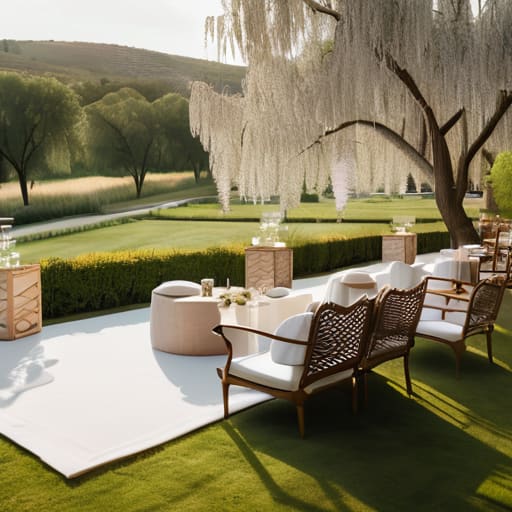
Most people look at a beautiful meadow and see a backdrop; I look at it and see a series of potential bottlenecks. When you’re dealing with outdoor wedding logistics, the layout isn’t just about where the chairs go, it’s about the physics of human movement. If you place the ceremony site too far from the bar or the cocktail area, you aren’t just creating a long walk—you’re creating a massive, slow-moving queue that eats into your precious cocktail hour. I’ve seen countless weddings lose thirty minutes of “party time” simply because the transition from the vows to the first drink was a logistical crawl through a narrow garden path.
You also have to consider the invisible lines. Where is the power coming from for the audio equipment for weddings? If your musicians are tucked behind a hedge to “blend in,” but their cables are trailing across a high-traffic guest path, you’ve built a trip hazard into your aesthetic. You need to map out the sightlines and the service routes simultaneously. An elegant layout is useless if the caterer can’t navigate a tray of champagne through the crowd without playing a game of human Tetris.
The Real-World Variables: Five Things Your Pinterest Board Won't Tell You
- The Power Problem: If you want a musician, a microphone, or even just a few fairy lights, you cannot assume there is a plug nearby. I’ve seen more ceremonies stumble because someone forgot that a wireless mic needs a signal that doesn’t die when a hundred guests stand in the way, or that a generator needs a dedicated, quiet spot that won’t ruin the “ambience.”
- The Drink Bottleneck: You have a twenty-minute window between the “I dos” and the cocktail hour. If your ceremony ends and your guests have to trek across a lawn, navigate a gravel path, and wait in a single line for a glass of prosecco, you’ve already lost the momentum. Plan your service points so people are moving toward the bar, not just standing in a cluster.
- The Sun’s Trajectory: Everyone picks the “scenic spot” because it looks great in the brochure, but they forget to check where the sun will be at 3:00 PM. If you’re standing directly in the line of fire, your guests will be squinting through every photo, and your wedding party will be melting. Aim for shade or plan for a canopy; don’t fight the physics of the afternoon.
- The Flooring Reality Check: Grass is beautiful until you add a three-inch stiletto or a heavy piece of catering equipment. If you’re planning an outdoor setup, you need to account for “foot traffic stability.” This means deciding early if you need to budget for flooring, or if you’re telling the ladies to leave the heels at home.
- The Hard Stop: This is the one that keeps me up. Your outdoor licence has an end time that is non-negotiable. If your ceremony runs twenty minutes late because the flower girl had a crisis, you aren’t just losing twenty minutes of music; you are eating into the time you allocated for dinner and the transition to the evening. Work backward from the licence end, not forward from the start time.
The Reality Check
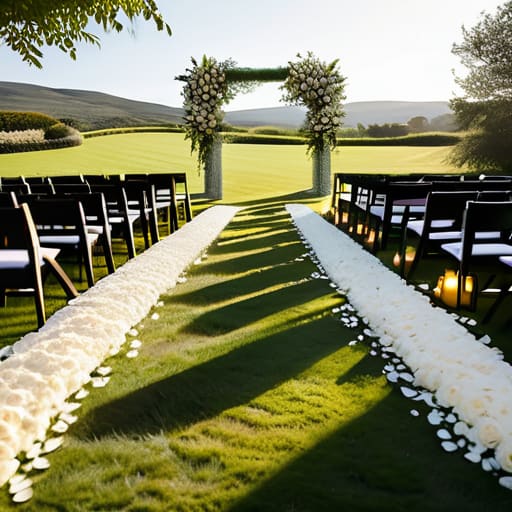
At the end of the day, planning an outdoor ceremony isn’t about picking the right shade of linen; it is about managing the friction between your vision and the physical world. You have to account for the permits that dictate where you can stand, the power cables that shouldn’t be trip hazards, and the layout that ensures your guests aren’t wandering aimlessly into a hedge while looking for a drink. If you get the logistics of the guest flow right and respect the constraints of your venue, the ceremony will feel seamless. If you ignore the technicalities, you aren’t hosting a wedding—you’re managing a slow-motion breakdown in the middle of a field.
I know it sounds cynical, but there is a profound beauty in a well-run event. When the timings are tight, the access points are clear, and the transition from the “I do” to the first cocktail is handled with precision, something magical happens. The guests stop looking at their watches and start looking at the couple. My job—and yours—is to do the heavy lifting behind the scenes so that the effortless illusion remains intact. Build your foundation on solid planning, and you might just find that the most beautiful moments are the ones that were never interrupted by a logistical nightmare.
Frequently Asked Questions
How do I calculate the exact amount of space needed for guest movement if I'm also trying to fit a dance floor and a buffet station outside?
Stop thinking in square footage and start thinking in “human corridors.” If you cram a buffet station right against the dance floor, you’ve just created a dead zone where nobody can move without bumping a plate. I calculate it like this: give the buffet a three-metre buffer for the queue, and ensure the dance floor has a clear two-metre “transit lane” around it. If guests can’t walk from the bar to the food without a tactical maneuver, your layout is broken.
What is the realistic contingency plan for a sudden downpour that doesn't involve everyone sitting under a single, cramped gazebo?
Look, if your Plan B is a single, flimsy gazebo, you don’t have a plan; you have a bottleneck. When the sky opens up, you aren’t just fighting rain; you’re fighting a sudden, frantic migration of eighty people through a narrow doorway. You need a “hard” backup—a marquee with actual sidewalls or an indoor space already set with chairs. If you’re pivoting mid-ceremony, you need a dedicated team to move the decor, not just the guests.
How do I ensure the catering team has enough power and water access without running hundreds of metres of cables across the guest walkway?
You don’t solve that with more cable; you solve it with a site map and a reality check. If your caterer is asking for a plug-in thirty metres away from the kitchen, you’ve already lost the battle. You need to scout the venue for dedicated service points or invest in silent, petrol-driven generators placed well away from the guest flow. And for heaven’s sake, check the water pressure. A beautiful meadow is useless if the chef is washing hands in a bucket.