I once watched a wedding breakfast descend into absolute chaos because the couple thought “handling allergies” just meant telling the kitchen about them. They had a beautiful, cohesive menu on paper, but they hadn’t accounted for the fact that when you have twelve vegans, three gluten-free guests, and one severe nut allergy, you aren’t just serving food—you are managing a minefield. Most wedding blogs will tell you that dietary needs are a simple checkbox on a planning spreadsheet, but anyone who has actually stood in a service corridor knows that how dietary requirements are handled is the difference between a seamless dinner and a room full of people staring at empty plates while the rest of the table eats.
I’m not here to talk to you about pretty garnish or seasonal trends. I’m here to talk about the logistics of the plate. I’m going to show you how to coordinate with your caterers so the special meals don’t arrive ten minutes late, how to ensure the service staff actually knows who is eating what, and how to avoid the costly mistake of over-ordering “just in case.” This is about the unseen mechanics that keep your guests happy and your timeline intact.
Table of Contents
Standard Operating Procedures for Allergens Beyond the Guest List
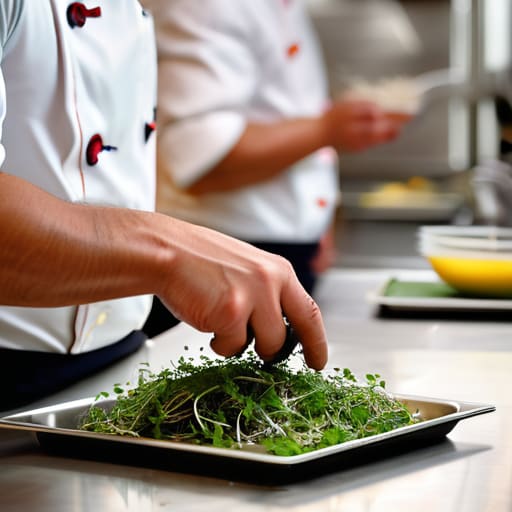
Most people think managing dietary requirements is just a matter of checking a spreadsheet before the catering order goes out. It isn’t. If you want to avoid a crisis, you have to look at the kitchen workflow for special diets from the moment the prep begins. I’ve seen enough weddings go sideways because a chef thought “gluten-free” just meant leaving the bread roll off the tray. In reality, you need a physical separation of space and tools. If the nut-free meal is being plated on the same surface where the satay sauce was just being whisked, you haven’t actually solved the problem; you’ve just delayed the inevitable.
True safety relies on more than just a clean cutting board; it requires rigorous cross-contamination prevention in kitchens that starts with the line cooks, not just the head chef. You need a system where the “special” plate is visually distinct—perhaps a different colored rim or a specific garnish—so the server knows exactly which one to carry. Without effective staff communication for food allergies, that vegan meal is going to end up in front of the guest with the shellfish allergy, and by then, the “effortless” evening you planned is officially dead in the water.
Managing Dietary Restrictions in Catering Without Stalling the Service
The real danger isn’t the allergy itself—it’s the moment the service rhythm breaks. I’ve seen it a dozen times: the main course sweeps across the room like a wave, but the guest with the severe nut allergy is still sitting there, staring at a silent plate because the kitchen is still scrambling to find a clean pan. When you’re managing dietary restrictions in catering, the goal is invisibility. If a guest has to raise their hand or remind a waiter about their gluten intolerance, you’ve already lost the flow of the evening.
To prevent that awkward pause, you need a seamless kitchen workflow for special diets that treats the alternative meal as a primary task, not an afterthought. This means the “special” plate is plated, checked, and ready to move at the exact same tempo as the standard menu. It’s about ensuring that the person with the vegan requirement isn’t the only one eating while the rest of the table is halfway through their dessert. If the service stutters, the momentum of the room dies, and once the energy drops, it is a nightmare to get it back before the licence ends at midnight.
Five ways to stop dietary requirements from becoming a service disaster
- The “Same Time” Rule: Your goal isn’t just to get the gluten-free meal out; it’s to get it out at the exact same moment as the steak. There is nothing more awkward than a wedding party sitting in a silent lull because the person with the nut allergy is still waiting for a plate while everyone else is halfway through their main.
- Don’t trust the RSVP spreadsheet blindly: I’ve seen more disasters caused by a “ticked box” than a lack of food. I always tell my team to double-check the severity. There is a massive logistical difference between “I don’t like mushrooms” and “I will go into anaphylaxis if a mushroom touches my fork.” One is a preference; the other is a crisis management situation.
- The Buffer Plate Strategy: Never, under any circumstances, plan for the exact number of dietary meals you were told about. People lie on RSVP forms, people change their minds, and people bring unexpected guests. I always bake in a 5-10% margin for “unaccounted-for” restrictions. It’s much cheaper to have one extra vegan meal sitting in the kitchen than to have a guest staring at an empty table at 8:15 PM.
- Clear communication with the floor staff: The person running the plates needs to know more than just “Table 4 has a dairy allergy.” They need to know exactly which plate is which before it even leaves the kitchen pass. If a waiter has to stand there squinting at a garnish to figure out if it’s safe for a guest, you’ve already lost the rhythm of the room.
- The “Invisible” Service: The best dietary management is the kind the guest doesn’t even notice. If a guest has to flag down a waiter three times to ask if the sauce contains flour, the logistics have failed. The goal is for that meal to appear as if it were part of the original plan, not a special request that’s holding up the entire service.
The Bottom Line on the Plate
At the end of the day, managing dietary requirements isn’t about checking a box on a spreadsheet; it’s about preventing the logistical friction that kills the momentum of a room. If you get the communication right between the client, the venue, and the kitchen, the dietary needs become invisible—which is exactly how they should be. You want the guest with the severe nut allergy to feel safe, and the guest with the lifestyle veganism to feel included, but you don’t want their meal to become a spectacle of delay that leaves the rest of the table staring at half-eaten plates. It comes down to prep, clear communication channels, and ensuring your service team knows exactly who is eating what before the first plate even leaves the pass.
When you strip away the linens and the floral arrangements, a successful event is measured by how much the guests actually feel taken care of. A wedding or a conference shouldn’t feel like a series of hurdles to overcome; it should feel like a seamless flow where everyone is fed, hydrated, and happy. When the dietary logistics are handled with precision, you aren’t just serving food—you are protecting the atmosphere. Plan for the complications, account for the extra space, and respect the timing. If you do that, the only thing people will remember is how much fun they had, rather than how long they waited for a gluten-free roll.
Frequently Asked Questions
How do I make sure my guests actually tell me about their allergies before the caterer has already prepped the main course?
You don’t ask them at the table; by then, the kitchen is already in a state of controlled panic. You bake the question into the RSVP, and you make it non-negotiable. Don’t just leave a blank line for “notes”—that’s where people write “prefers gluten-free” instead of “lethal peanut allergy.” You need a hard deadline for dietary data that sits at least ten days before the event. If they miss the window, they miss the meal.
If we have a massive group with conflicting dietary needs, how do we prevent the 'special meal' guests from feeling like they're eating in a different time zone?
The trick is synchronization, not segregation. If the gluten-free guest gets their plate five minutes after the steak arrives, they aren’t “dining”; they’re spectating. I tell my kitchen teams: the special meal isn’t a side project; it’s the priority. You time the prep so the modified dish hits the table at the exact same heartbeat as the standard one. If the room moves together, no one notices the plate is different.
What happens if a guest claims an allergy on the night that wasn't on the original list—is there a way to handle that without causing a scene or a kitchen meltdown?
The “surprise” allergy is the ultimate test of a floor manager’s composure. When a guest drops a nut allergy twenty minutes after the mains are plated, you don’t panic; you pivot. I tell the server to move the guest to a quiet corner, immediately alert the head chef, and check the “emergency” buffer—most decent caterers keep a few plain, allergen-safe portions in reserve. It’s about managing the guest’s anxiety so they don’t become a spectacle.