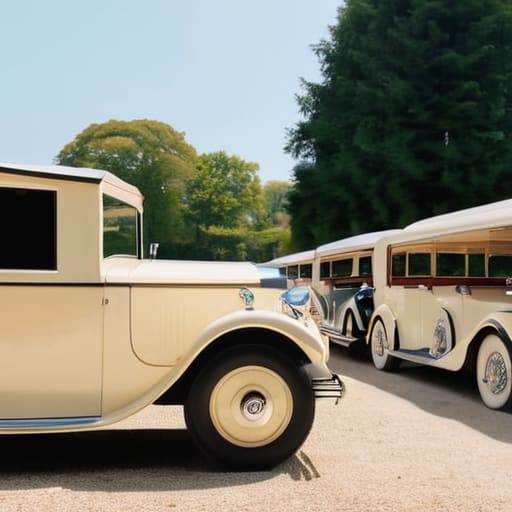
I once watched a bride in a five-thousand-pound silk gown stand on a gravel driveway in the pouring rain, staring at a vintage Rolls Royce that was currently stuck behind a delivery van three miles away. Everyone was focused on the aesthetic of the car, but nobody had actually sat down to figure out how wedding transport is arranged for the forty guests who weren’t part of the bridal party. It’s the same mistake I see every season: people spend a fortune on the “statement” vehicle for the couple, while the actual movement of human beings is left to chance, resulting in a bottleneck that eats twenty minutes of prime cocktail hour.
I’m not here to sell you on the charm of horse-drawn carriages or the romanticism of a slow-moving convoy. I’m here to talk about the unsexy math of logistics. Over nine hundred weddings, I’ve learned that a successful day isn’t built on pretty cars; it’s built on arrival windows, passenger counts, and knowing exactly when that last shuttle needs to depart to beat the licence end. I’m going to show you how to map out your movement so your guests actually arrive on time, rather than becoming a logistical nightmare that stalls your entire schedule.
Table of Contents
Mastering the Wedding Transportation Timeline and Moving Parts

Everyone loves the idea of a vintage Rolls Royce pulling up to the church, but nobody talks about the twenty minutes of absolute chaos that follows when forty guests are standing on a curb waiting for a bus that’s stuck in local traffic. If you want this to work, you need a rigid wedding transportation timeline that accounts for the “human buffer”—that inevitable delay caused by a bridesmaid losing a shoe or a grandfather refusing to leave his seat. I’ve seen more wedding days derailed by a ten-minute transport lag than by bad catering, because once you lose that window, your entire reception schedule starts sliding toward the licence end.
When you’re hiring wedding buses and coaches, stop thinking about them as just vehicles and start seeing them as moving pieces of your venue’s floor plan. You need to map out the exact moment the last guest departs the ceremony to ensure they hit the cocktail hour precisely when the drinks are poured. If your guest arrival and departure coordination is off by even fifteen minutes, you’ll end up with a bottleneck at the venue entrance that makes my staff look like they’re managing a riot rather than a celebration.
The Brutal Truth of Wedding Transport Budget Planning
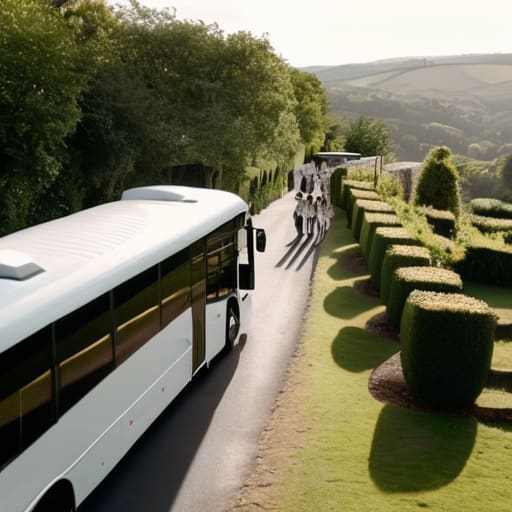
Here is the reality most planners won’t tell you: your budget isn’t just a number; it’s a leak waiting to happen. Everyone gets excited about the vintage Rolls Royce for the bride, but they forget that the real cost killer is the sheer volume of people you need to move between the ceremony and the reception. When you start hiring wedding buses and coaches, you aren’t just paying for a vehicle; you are paying for the precise window of time that vehicle needs to exist. If that bus is ten minutes late, your dinner service is ten minutes late, and suddenly my kitchen staff is staring at cold risotto while your guests are still stuck on a country lane.
Don’t let the “aesthetic” of a getaway car distract you from the math of wedding guest shuttle logistics. I’ve seen couples blow half their transport fund on a luxury car for two, only to realize they have forty guests stranded at a remote church with no way to get to the venue. You need to account for the “hidden” costs—driver tips, fuel surcharges, and the inevitable fee for a vehicle that has to wait around for an hour because the vows ran long. Plan for the gaps, not just the arrivals.
Five Ways to Stop Your Transport Plan From Becoming a Total Write-Off
- Map the “Dead Time” between arrivals. Most people plan for the moment the car pulls up, but they forget the twenty minutes it takes for forty people to actually shuffle out of a church and find their feet. If your transport is timed to the second the ceremony ends, you’re going to have a line of idling engines and very frustrated drivers. Build in a buffer that accounts for the slow-moving relative and the group photo that always runs over.
- Audit your passenger capacity against reality, not theory. You might think a single luxury coach covers everyone, but if you have a split guest list—some staying at the hotel, some at the venue, some at a local B&B—you’re looking at a shuttle nightmare. Don’t just count heads; count the actual movement of groups. If you can’t get everyone from point A to point B in a single, coherent wave, you’re going to spend your reception watching the bar staff deal with a trickle of guests arriving every ten minutes.
- The “Last Bus” is your most important contract. Everyone obsesses over the vintage Rolls Royce for the bride, but nobody talks about the 11:30 PM shuttle back to the hotels. If that bus is late, or if it’s too small, you’ll have guests stranded, calling Ubers that won’t come to a rural venue, or worse, trying to drive themselves after three glasses of champagne. Treat the return leg with as much logistical respect as the arrival.
- Confirm the “Drop-Off vs. Parking” reality. If you’re hiring a fleet of cars, where are they actually going once they’ve dropped the guests? If the venue has a tiny car park and you haven’t cleared space for ten chauffeurs and three wedding cars, you’ll have a bottleneck at the entrance before the first toast is even poured. Check the access routes and the turning circles; a luxury car is useless if it’s stuck behind a delivery van in a narrow lane.
- Get a written “Contact Sheet” for every driver. I’ve seen too many weddings stall because the couple was too busy being married to answer a phone call from a driver who couldn’t find the venue entrance. You need a designated person—not the bride, not the groom, but a coordinator or a best man—who has the mobile numbers for every driver and knows exactly what time they are expected to arrive. If the transport fails, it’s usually because the communication chain was broken.
The Final Countdown
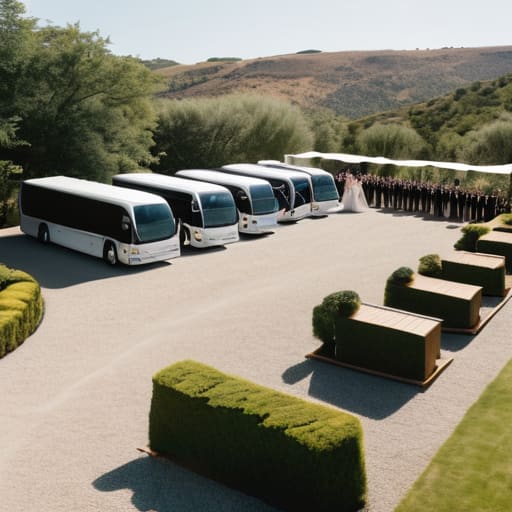
At the end of the day, wedding transport isn’t about the aesthetics of a vintage Rolls Royce or the charm of a horse-drawn carriage; it is about the math. If you haven’t accounted for the buffer between the ceremony end and the first drink being poured, or if you haven’t realized that a forty-minute drive requires a very different shuttle frequency than a five-minute stroll, you are setting yourself up for a bottleneck. You need to respect the timeline, respect your budget, and most importantly, respect the friction that occurs when you try to move fifty people at once. Map the routes, double-check the driver’s contact details, and for heaven’s sake, build in ten minutes of “chaos time” for every transition.
I’ve stood in the back of many a reception, watching the clock tick toward the licence end, and the weddings that truly succeed are the ones where the guests never even notice the movement. When the logistics are invisible, the magic can actually happen. Don’t let a transport mishap become the story people tell about your big day; instead, plan so thoroughly that the only thing your guests remember is how seamlessly they arrived. A well-orchestrated arrival isn’t just a convenience—it is the foundation that allows the rest of your celebration to actually breathe.
Frequently Asked Questions
How do I calculate the actual buffer time needed between the ceremony ending and the first drink being poured at the venue?
Stop thinking in minutes and start thinking in “human friction.” You need a minimum of 45 minutes, but if you have more than 60 guests, make it 60. You have to account for the slow-moving elderly relative, the group that stops to take twenty selfies by the lychgate, and the inevitable delay of the bridal party finding their footing. If you don’t build in that buffer, your guests will be standing around parched and irritable before the first glass is even poured.
What happens to the transport schedule if the service runs twenty minutes late—is there a way to build that flexibility into the booking?
Twenty minutes is a lifetime in event management. If the service runs late, your transport schedule doesn’t just slip; it creates a domino effect that hits your drinks reception like a sledgehammer. To fix this, stop booking for the “ideal” time. Build a twenty-minute “buffer zone” into your transport arrival times. Tell the driver they are needed at 2:40 PM for a 3:00 PM departure. That cushion is the difference between a smooth transition and a crowd of hungry guests staring at their watches.
How do I handle the logistics of guests who want to leave the venue early while the rest of the party is still going?
Listen, people leave early. It’s a law of physics. You can’t stop the grandmother who needs her bed or the cousin with a long drive, so stop trying to fight it and start managing the exit. Map out a “soft close” for transport. If you’ve booked a shuttle for 11:00 PM, make sure the driver isn’t idling at the gate at 10:45, creating a bottleneck that makes everyone else feel like they’re being kicked out.