I once watched a wedding planner spend forty minutes arguing with a curator about whether a floral centerpiece was “too loud” for a neoclassical hall, while the caterers were frantically trying to figure out how to plug a coffee machine into a socket that was hidden behind a sixteenth-century tapestry. Everyone talks about the prestige and the “wow factor,” but nobody tells you the reality of how museums and galleries work as venues when you actually have three hundred hungry guests and a strict security protocol. You aren’t just renting a room; you are negotiating a peace treaty between a high-end celebration and a building that is essentially a very expensive, very fragile museum piece.
I’m not here to tell you how beautiful the lighting is or how much your guests will love the marble floors. My job is to pull back the curtain on the stuff the brochures leave out: the nightmare of loading heavy equipment through a single service lift, the absolute rigidity of the noise limits, and the way a “grand entrance” can fall apart if you haven’t accounted for the three-metre gap between the sculpture and the buffet. I’m going to give you the logistical blueprint for these spaces, so you can focus on the party instead of the panic.
Table of Contents
Navigating Strict Art Collection Preservation Protocols
When you book a gallery, you aren’t just renting a room; you are entering into a high-stakes negotiation with a curator who has spent decades protecting things that can’t be replaced. Unlike a hotel ballroom where you can crank the heat or move a heavy buffet table without a second thought, museums operate under rigid art collection preservation protocols. Every decision—from the number of guests in the room to the type of candle you wanted for the centerpieces—is filtered through the lens of risk management. If your guest list grows too large, the sudden spike in humidity from human breath can actually become a threat to the canvas on the wall.
This is where the reality of museum facility management hits the planner. You will be briefed on “no-go” zones and strict movement paths that often feel like they were designed to frustrate a moving crew. You can’t just wheel a catering trolley through a narrow corridor if it risks vibrating a pedestal or blocking a climate sensor. I’ve seen planners try to fight these rules to save five minutes of transit time, only to realize that the preservation of the collection always takes precedence over the convenience of the service. In these spaces, your logistics plan has to be as disciplined as the security team.
The Hidden Friction of Cultural Institution Event Planning
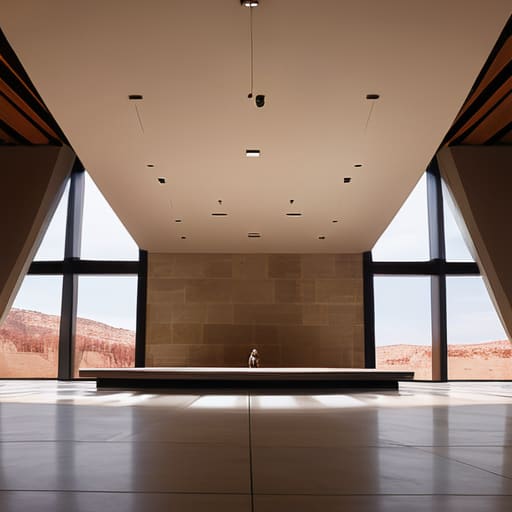
The friction starts the moment you think about moving a single piece of furniture. In a standard hotel ballroom, if a client decides they want a larger dance floor, you just pull some tables away. In a gallery, that request hits a wall of red tape faster than you can say “insurance premium.” You aren’t just booking a room; you are negotiating with a building that has its own set of rules and a very low tolerance for human error. Most people see the high ceilings and the marble floors, but they don’t see the invisible boundaries dictated by the curators.
When you’re looking at venue hire for private events in these spaces, you have to account for the “no-go” zones. You can’t just roll a heavy catering trolley across a parquet floor that’s been treated like a holy relic for a century. Every movement is choreographed. You’ll find yourself calculating the exact weight of a centerpiece or the precise distance a guest can wander before they’re technically a security risk. It turns a simple floor plan into a high-stakes game of Tetris where the pieces are made of glass and history.
The Logistics of Not Breaking the Art (and Your Budget)
- Respect the Load-In Window. In a hotel, you can usually roll a trolley in at 6:00 AM and no one bats an eye. In a museum, you are often working within a razor-thin window between the last visitor leaving and the first security sweep. If your florist is running twenty minutes late, they aren’t just late; they are actively jeopardizing the entire setup schedule because that gallery door locks at a specific time, and I don’t have the authority to override it.
- Map Your Power, Not Just Your Decor. Those beautiful, minimalist galleries usually have a handful of sockets hidden behind pedestals or tucked into corners, and they are almost certainly tied to the same circuit as the climate control. If you try to plug in a heavy-duty coffee station and a DJ rig on the same line, you aren’t just going to trip a breaker; you’re going to plunge a room full of high-net-worth donors into darkness. Always ask for a dedicated power map before you even think about hiring a lighting designer.
- The “Catering Perimeter” Reality Check. You’ll see a photo of a cocktail reception in a grand hall and think it looks seamless. What the photo doesn’t show is the three-meter “dead zone” required for the catering team to actually move. You cannot have guests standing shoulder-to-shoulder in front of a masterpiece if the waiters need to navigate a service trolley through that same gap. Plan your floor plan for the movement of trays, not just the placement of guests.
- Acoustic Awareness (or Lack Thereof). Museums are designed to be quiet, contemplative spaces, which usually means they are acoustic nightmares for anything else. Hard floors, high ceilings, and stone walls create a reverb that turns a polite toast into a chaotic echo chamber. If you’re planning a speech, don’t just look at the view; look at the ceiling. You’ll likely need a much more robust PA system than you think just to be heard over the ambient hum of the room.
- The Non-Negotiable Licence End. In a private venue, if the party is going well, you can sometimes negotiate an extra hour. In a museum, the licence end is often tied to the building’s security protocols and staff shift patterns. When the clock hits the limit, the lights go up and the doors close. I’ve seen too many planners try to squeeze a final dance into the last ten minutes, only to find themselves fighting security while trying to clear empty wine glasses. Plan your exit strategy twenty minutes before the actual deadline.
The Reality Check
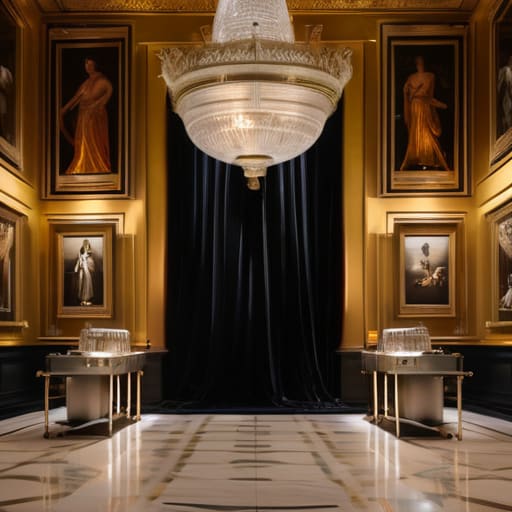
At the end of the day, hosting an event in a museum or a gallery isn’t about picking a pretty backdrop; it’s about respecting the invisible boundaries that keep the building running. You have to balance the desire for a spectacular guest experience against the hard realities of strict preservation protocols, limited power draws, and the non-negotiable timelines imposed by curators. If you ignore the logistics of the load-in or the specific clearance needed for a catering trolley near a Renaissance oil painting, the aesthetic beauty won’t save you from a logistical meltdown. Success in these spaces comes down to mastering the friction between the art on the walls and the mechanics of the service.
If you can navigate the red tape and get the timings right, the payoff is something a standard hotel ballroom can never replicate. There is a specific, quiet gravity that comes from hosting a dinner under a vaulted ceiling or a cocktail hour surrounded by centuries of history. When the lighting is dialed in perfectly and the service flows without bumping into a pedestal, the space stops being a series of constraints and starts being a character in the event itself. It requires more work, more patience, and a much tighter schedule, but that is exactly why the most seamless events in these venues always feel like they belong there.
Frequently Asked Questions
How much buffer time do I actually need to build into the schedule for the inevitable "art-safe" load-in and security briefings?
If you’re planning on a standard 60-minute window, you’ve already lost. Between the security briefing, the “no-touch” zone walkthrough, and the inevitable moment a vendor realizes their flight case is too wide for the gallery door, you need at least ninety minutes of pure buffer. I’ve seen a perfectly timed setup go sideways because a technician spent twenty minutes arguing with a curator about a single floor lamp. Plan for ninety, or prepare to apologize to your guests.
What happens to my catering budget when I realize I can't use standard service equipment due to floor protection or humidity controls?
Your budget doesn’t just shrink; it mutates. When you’re dealing with parquet floors that can’t handle a heavy trolley or climate-controlled rooms where a steaming buffet is a crime against the collection, “standard” goes out the window. You’ll end up paying a premium for lightweight, specialized equipment or hiring extra hands to manually carry trays because the heavy-duty service gear is a no-go. It’s a logistics tax that most people don’t budget for until the quote hits.
If the venue's lighting is fixed for the exhibits, how am I supposed to manage the transition from a formal dinner to a high-energy evening event?
You don’t “manage” it; you engineer it. If the house lights are locked to protect a 17th-century oil painting, you aren’t fighting the museum—you’re working around it. I’ve seen planners try to force a vibe that isn’t there. Instead, budget for high-quality, battery-operated uplighting and cordless table lamps. They provide the atmosphere without touching the circuit or the art. If you can’t change the ceiling, you change the eye level.