I was standing in the wings of a wedding reception last June, watching a bride’s face go from pure joy to absolute panic because her “elegant” plated service had hit a massive bottleneck. The kitchen was working miracles, but because the floor plan didn’t account for the sheer number of servers needed to hit fifty tables simultaneously, the food was arriving at different temperatures and different times. People spend months obsessing over the exact shade of linen, but they rarely stop to ask how service styles compare when it comes to the actual flow of human beings through a room. A buffet isn’t just a way to save money; it’s a decision about how much time you’re willing to let your guests spend standing in a queue instead of drinking.
I’m not here to sell you on a particular aesthetic or tell you which style looks best in a filtered Instagram photo. My goal is to strip away the fluff and look at the logistical reality of your event. I’m going to break down the friction points—the timing, the staffing requirements, and the inevitable chaos—so you can choose a service style that actually works with your venue and your licence end, rather than one that fights against them.
Table of Contents
Plated vs Buffet Pros and Cons the Battle for Flow
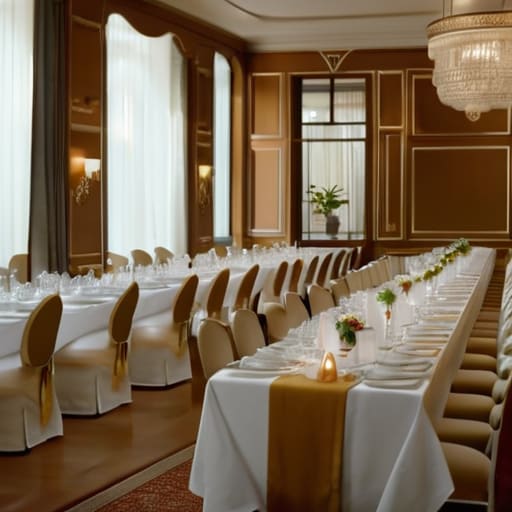
If you’re looking at the plated vs buffet pros and cons, forget the menu for a second and look at the floor plan. A plated service is the gold standard for control; it keeps the room calm, the timings predictable, and the guests seated. From my side of the pass, it’s a dream for managing the licence end because I know exactly when the last plate hits the table. However, it requires a small army of servers. If you haven’t budgeted for the extra hands needed to navigate a room of two hundred, your “elegant” dinner will turn into a slow-motion disaster.
Buffets are the opposite: they’re high-energy and great for variety, but they are logistical nightmares in a tight space. I’ve seen beautiful weddings grind to a halt because the buffet line created a bottleneck that blocked the path to the bar. When you’re weighing up wedding catering service types, remember that a buffet requires significant “buffer zones” for people to stand and queue without tripping over the decor. If you want the social ease of a buffet without the chaos, look into family style dining benefits, where the food comes to the table, but you still need to account for the extra surface area required for those large platters.
Wedding Catering Service Types and the Illusion of Ease
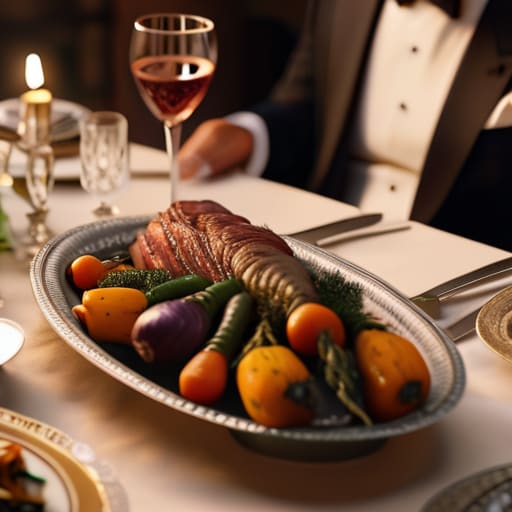
When couples talk about “relaxed” dining, they usually mean they want the vibe of a pub lunch with the price tag of a ballroom gala. This is where the illusion of ease becomes a logistical trap. Take family style dining benefits, for instance; everyone loves the idea of passing platters around like a Sunday roast, but if you haven’t accounted for the physical elbow room required for guests to pass heavy ceramic dishes, you’re just inviting a broken wine glass and a very awkward silence.
I’ve seen too many weddings fall apart because the couple chose a service style that looked good on Pinterest but ignored the reality of the room. When you’re weighing up wedding catering service types, you have to look past the menu and look at the floor. A high-end plated service demands a specific ratio of staff to guests to keep the timing tight before the licence end, whereas a buffet can quickly turn into a stationary bottleneck that leaves half your guests staring at an empty carving station while the music plays on. It’s not just about food; it’s about managing the movement of people.
Five Logistics Checks Before You Sign the Catering Contract
- Calculate the ‘Drink Bottleneck’—if you choose a buffet, you aren’t just planning for food; you are planning for a hundred people standing in a stagnant line for forty minutes. If your bar is on the other side of the room, you’ve just created a dead zone where the energy dies.
- Audit your floor space for the ‘Server Swing’—a plated meal looks sophisticated in a brochure, but if your floor plan doesn’t leave at least three metres of clear thoroughfare for the waitstaff, your ‘elegant’ dinner will turn into a series of bumped elbows and spilled red wine.
- Respect the Licence End—every service style has a different clock. A buffet allows for a slow, lingering meal, but if your licence ends at midnight, you need to work backwards from the final toast, not forwards from the first course. If the food service runs late, the party doesn’t just ‘stretch’; it hits a hard wall.
- Factor in the ‘Hidden Staffing Tax’—buffets might seem cheaper on paper, but they require more ‘policing’ to keep the food replenished and the lines moving. Plated service requires more hands on deck to hit the timings. Don’t let a low quote blindside you when the service style demands more bodies than the room can actually accommodate.
- The ‘Transition Gap’ is where weddings go to die—whatever style you pick, you must account for the turnaround. If you are moving guests from a ceremony space to a dining space, that transition needs to be a choreographed movement, not a chaotic scramble. If you don’t budget time for the shuffle, you’ll be serving your main course to a room of people who are still looking for their seats.
The Final Countdown
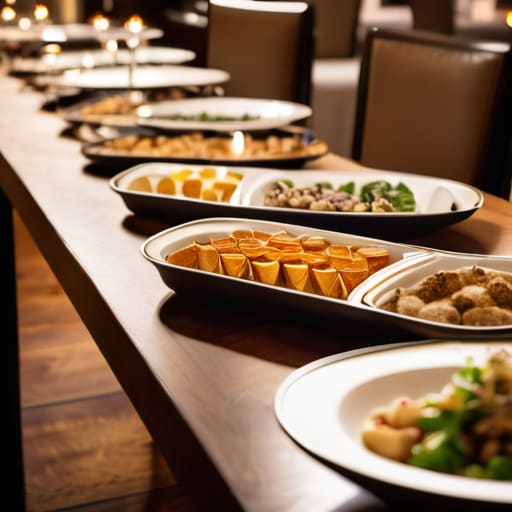
At the end of the day, choosing between a buffet, a plated service, or family-style isn’t about which one looks better in your mood board; it’s about the math of your floor plan and your clock. You have to weigh the elegance of a seated meal against the reality of a kitchen that might struggle to get three hundred hot plates out before the room temperature drops. If you go buffet, you’re trading service precision for guest autonomy, but you better have the physical space for those lines to form without choking the exits. Every choice has a trade-off—be it cost, staff headcount, or how much time you’re actually shaving off your licence end time.
Don’t let the glossy brochures convince you that a perfect event happens by magic. It doesn’t. It happens because someone sat down, looked at the guest count, and respected the logistics of the room. If you plan for the friction—the slow walkers, the extra space the caterers need, and the inevitable delays—you aren’t being a pessimist; you’re being a professional. When you get the mechanics right, the “magic” part actually has the room to breathe. Plan for the chaos, and you might just find that your event feels as effortless as it looks in the photographs.
Frequently Asked Questions
If I go with a buffet to save on staff costs, how do I stop the queue from turning into a twenty-minute bottleneck that kills the momentum of the evening?
You’re trying to save on staff, but you’ll pay for it in atmosphere if that queue stalls. A buffet isn’t a cost-saver if it kills the momentum. To stop the bottleneck, stop thinking about one long line. Run double-sided stations or, better yet, break the room into three smaller buffet zones. If people are staring at the backs of heads for twenty minutes, they aren’t drinking or dancing; they’re just getting restless.
We’re looking at a tight turnaround between the ceremony and the meal; which service style is actually realistic when we only have forty-five minutes to flip the room?
Forty-five minutes? You’re not flipping a room; you’re running a tactical extraction. If you’re trying to move guests from a ceremony to a seated, plated dinner in that window, you’ve already lost. You’ll spend the entire time chasing waiters who are tripping over chairs. If the turnaround is that tight, go with a high-end buffet or heavy canapés. It keeps the movement fluid and stops your timeline from bleeding out before the first course even hits.
How much extra space do I actually need to budget for in the floor plan if I choose family-style service versus a standard plated meal?
If you’re moving from plated to family-style, you aren’t just changing the menu; you’re changing the geometry of the room. You need to budget at least an extra 20% of table surface area. Those large platters and shared bowls take up the space where your wine glasses and bread baskets used to live. If you don’t account for that footprint, your guests will be fighting for elbow room just to reach the salt.