
If you’ve spent more than ten minutes on Pinterest, you’ve been sold a lie that dry hire is just a “blank canvas” for your creativity. The wedding blogs make it sound like a dream—just you, a beautiful empty room, and endless possibilities. In reality, a blank canvas is often just a polite way of saying you’ve inherited a thousand tiny, expensive problems. Most people looking for a complete guide to dry hire are searching for aesthetic inspiration, but they should be searching for a way to ensure their caterer doesn’t arrive to find there isn’t a single working plug socket in the entire hall.
I’m not here to talk to you about linen textures or the perfect shade of sage green. I’ve spent eighteen years watching the aftermath of “creative freedom” go sideways when the logistics don’t match the vision. This is going to be a different kind of complete guide to dry hire—the one that actually matters. I’m going to walk you through the unfiltered reality of power requirements, access times, and the hidden costs of doing everything yourself, so you can spend less time panicking and more time actually enjoying the event.
Table of Contents
Dry Hire Venue Advantages vs the Hidden Logistics Debt
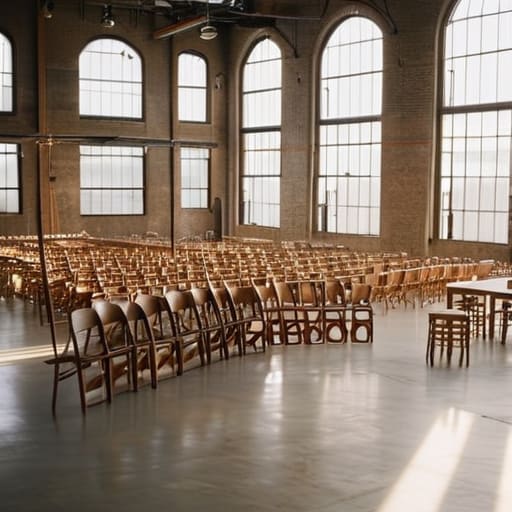
The primary dry hire venue advantages are easy to sell: total creative freedom and, on paper, lower venue rental costs. You aren’t locked into a pre-set menu of lukewarm chicken or a specific florist who charges a premium just for the privilege of being on-site. It feels like a win for your budget and your vision. But here is what the brochures don’t tell you: that freedom comes with a massive amount of unseen logistical debt. When you opt for dry hire vs all-inclusive, you aren’t just buying a room; you are inheriting the responsibility of every single moving part that makes a room function.
In an all-inclusive setup, the venue manages the chaos. In dry hire, you are the one managing event vendors and ensuring they don’t arrive at 10:00 AM when your access isn’t until 2:00 PM. You become the person responsible for the event setup requirements—from ensuring the caterer has enough power for their ovens to confirming there are enough bins for the post-party cleanup. If the external catering team shows up and realizes there’s no running water in the prep area, that isn’t the venue’s problem anymore. It’s yours.
Dry Hire vs All Inclusive Calculating the Real Venue Rental Costs

When you look at a quote for a dry hire venue, it’s going to look deceptively slim. It’s just the keys, the floor, and the four walls. But you need to stop looking at that number in isolation and start looking at the total cost of ownership. In an all-inclusive setup, you’re paying a premium for the convenience of a single invoice, but you’re also paying for their markup on every fork and linen. With dry hire, you save on that middleman, but you’re suddenly responsible for the math. If you don’t account for the delivery fees, the service charge from your external caterer, and the rental of basic glassware, that “cheap” venue fee can evaporate before the first guest arrives.
The real trap in the dry hire vs all-inclusive debate is the invisible labor. When you’re managing event vendors yourself, you aren’t just paying for their services; you are paying for the time it takes to coordinate them. You’re the one checking if the florist has enough light, or if the band’s power requirements will blow a circuit. You are essentially becoming a part-time project manager. If you aren’t prepared to absorb those logistical costs, you aren’t actually saving money—you’re just trading cash for a massive amount of unpaid headache.
The Five Silent Killers of a Dry Hire Budget
- The Power Audit: Do not trust a brochure that says “electricity included.” You need to know if that power is a single 13-amp socket in the corner or a dedicated three-phase supply. If your caterer shows up with two industrial coffee machines and a warming oven, and you haven’t checked the load, you aren’t having a wedding—you’re having a very expensive blackout.
- The Invisible Staffing Gap: When you go dry hire, you aren’t just paying for the room; you are paying for the absence of people. You need to budget for more than just the “fun” staff. Who is clearing the broken glass at 11:00 PM? Who is managing the bins when the recycling overflows halfway through the speeches? If it isn’t in your contract, it’s your problem.
- The Logistics of the “Turnaround”: Most couples see a beautiful empty room and think, “We can fit a ceremony here and a dinner here.” They forget the thirty minutes of frantic chaos in between. You need to account for the time it takes to move chairs, reset tables, and hide the ceremony decor before the guests move from cocktails to the meal. If you don’t build in a buffer, your dinner will start forty minutes late and your licence end will arrive while people are still eating dessert.
- The Rental Rabbit Hole: A “blank canvas” is code for “you have to rent everything, including the things you forgot existed.” By the time you’ve sourced the tables, the chairs, the linen, the glassware, the cutlery, and the actual plates, that “cheap” venue hire fee starts looking a lot more like an all-inclusive package. Get a spreadsheet. List every single item a guest touches, from the fork to the napkin, and price it out before you sign anything.
- Access and Load-in Windows: I’ve seen it a dozen times—a vendor arrives at 10:00 AM for a 2:00 PM setup, only to find out the venue doesn’t allow access until noon. Or worse, they arrive with a van full of equipment and find there are three flights of stairs and no lift. Check the loading bay, the stair widths, and the strict arrival windows. If your florist is stuck in a queue for two hours, your centerpiece is going to be sitting in a van in a car park while your guests are sipping prosecco.
The Final Checklist Before You Sign

At the end of the day, dry hire is a trade-off between creative autonomy and a massive increase in your personal workload. You aren’t just buying a room; you are buying a blank canvas that requires you to be the architect, the plumber, and the logistics coordinator all at once. If you haven’t accounted for the cost of rentals, the delivery windows for the caterer, or the sheer exhaustion of managing a dozen different vendors, you haven’t actually calculated your budget—you’ve just made a very expensive guess. Don’t let the freedom of a blank space blind you to the logistical debt you’re accruing the moment you stop paying for an all-inclusive package.
If you can manage the chaos, though, there is nothing quite like the satisfaction of a dry hire event that actually works. There is a specific kind of magic in seeing a space that was nothing but four walls and a floor transformed into something that looks like it was plucked from a dream, all because you actually did the math on the floor plan and the power requirements. When the music is playing, the drinks are flowing, and the timeline is hitting every mark with surgical precision, you’ll realize that the effort wasn’t just about the decor. It was about building a seamless machine that allows your guests to simply exist in the moment, blissfully unaware of the calculated precision happening behind the scenes.
Frequently Asked Questions
How do I calculate the actual cost of "hidden" items like glassware, linens, and staff when the venue isn't providing them?
Stop looking at the rental quote and start looking at your shopping list. When you go dry hire, you aren’t just “saving money”; you’re inheriting a massive procurement headache. You need to budget for the “invisible” essentials: linens that won’t slip off cheap tables, glassware that won’t shatter under pressure, and—most importantly—the staff to move it all. If you haven’t factored in the cost of a professional service team, your “bargain” venue is actually a deficit.
What specific questions should I be asking a dry hire venue about their power capacity and kitchen access before I sign anything?
Don’t let a pretty floor plan distract you. Ask the venue: “What is the total kVA available for my caterer, and is it a single phase or three-phase supply?” If your caterer brings high-end ovens and you’re on a limited circuit, you’ll be sitting in the dark by 8:00 PM. Also, ask about the kitchen footprint. Does it have dedicated prep space, or are they expecting your team to chop veg on a folding table in the hallway?
At what point does the flexibility of dry hire become a liability for my wedding timeline and budget?
It becomes a liability the moment you mistake “freedom” for “simplicity.” If your budget doesn’t account for the invisible costs—the linen hire, the staff you didn’t realize you needed, the extra delivery fees—you’re already underwater. More importantly, if your timeline relies on a caterer arriving at 2:00 PM but you haven’t secured the access or the power to support them, that flexibility will turn into a logistical nightmare right before the first course.