I’ve spent eighteen years watching couples pour thousands into truffle-infused menus and artisanal grazing boards, only to have the entire evening descend into chaos because they forgot to ask if the kitchen had enough power to run the ovens. Most people will give you a “complete guide to wedding catering” that focuses on the aesthetics—the colour-coordinated napkins or the height of the centrepieces—but they never mention the logistical nightmare of serving two hundred hot plates in a twenty-minute window. I’ve stood in the wings of venues while a beautiful wedding fell apart simply because the caterer needed three metres of prep space that the floor plan didn’t provide.
I’m not here to sell you on a dream or a specific style of cuisine; I’m here to make sure your guests actually get fed before the licence ends. This isn’t a lifestyle blog; it is a reality check. I am going to walk you through the practicalities that the wedding planners won’t tell you about: the service timings, the hidden spatial demands, and the unsexy math of drink replenishment. If you want to know how to plan a meal that actually works, you’re in the right place.
Table of Contents
Mastering Wedding Catering Budget Planning and Hidden Spatial Demands
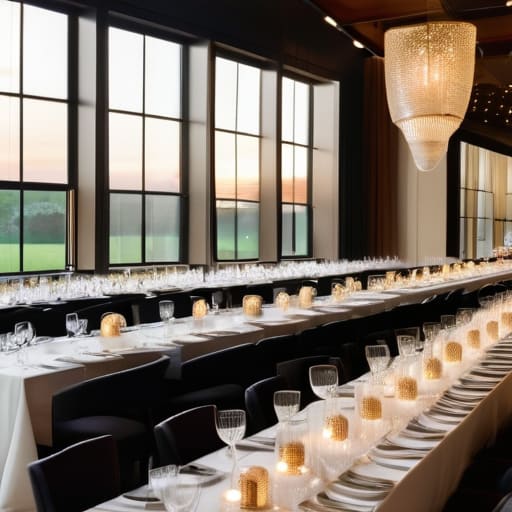
When you sit down for wedding catering budget planning, most couples focus on the cost per head. They look at the menu, they look at the wine list, and they think they’ve got the math sorted. But they’re missing the invisible costs that eat a budget alive: the service staff ratio, the glassware hire, and the sheer amount of physical space required to actually move the food. You might find a stunning menu that fits your spreadsheet, but if it requires a kitchen setup that my venue doesn’t have—or if it forces your guests into a bottleneck because of the layout—the price tag becomes irrelevant.
You also need to weigh your buffet vs plated service options not just by cost, but by the physical footprint they leave. A buffet looks easy, but it demands a massive amount of floor space for the line and a dedicated area for clearing plates that doesn’t encroach on the dance floor. If you go plated, you’re paying for precision and timing, which is a different kind of logistical beast. Whatever you choose, never forget the footprint; if your caterer needs three metres of prep space and you’ve only budgeted for one, someone is going to be very unhappy by 8:00 PM.
Buffet vs Plated Service Options the Logistics of Flow
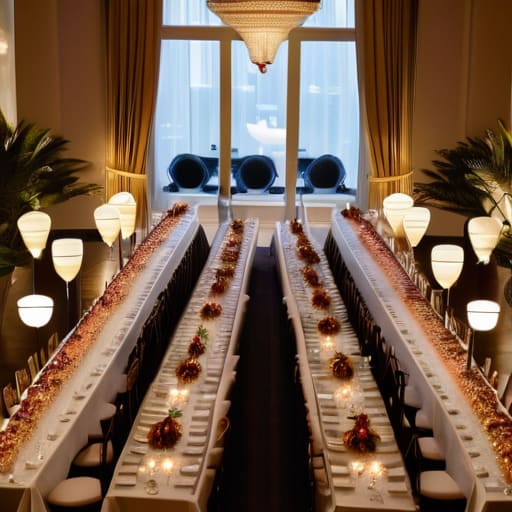
When you’re weighing up buffet vs plated service options, stop looking at the food for a second and start looking at your floor plan and your clock. A plated meal is the gold standard for elegance, sure, but it’s a high-stakes game of synchronized movement. You need a service team that can move like a single unit, or you’ll have the first table halfway through their mains while the last table is still staring at an empty plate. If your wedding catering timeline doesn’t account for the literal minutes it takes to walk plates from a kitchen to a table of twelve, you’re going to lose your momentum before the speeches even start.
Buffets, on the other hand, are a different kind of beast. They feel relaxed, but they are a massive logistical bottleneck. If you have two hundred guests and only one double-sided station, you’re looking at a forty-minute queue where people get cranky and thirsty. I’ve seen weddings stall completely because the line moved slower than the music. If you go the buffet route, you need multiple stations and a rock-solid plan for managing dietary restrictions for wedding guests so they aren’t left scavenging for scraps at the end of the line.
Five Things Your Caterer Won't Tell You (But Your Venue Manager Will)
- Stop obsessing over the truffle oil and start checking the power supply. If you’re hiring an external caterer, they need to know exactly how many sockets they have access to and what the amperage is. There is nothing that kills a wedding vibe faster than a blown fuse halfway through the main course because someone tried to run three industrial coffee machines and a warming oven on a single circuit.
- The “One Hour” Myth. People think a wedding breakfast takes an hour. It doesn’t. Between the speeches, the clearing of plates, and the inevitable moment a guest spills red wine on the linen, you need to build in a buffer. If your licence ends at midnight, do not schedule your last course for 10:00 PM thinking you have plenty of time. You don’t. You’re already behind.
- Map out the “Back of House” footprint. A caterer doesn’t just need a table; they need a staging area, a place to wash up, and a corridor to move through without colliding with your flower girl. If you haven’t allocated at least three metres of “invisible” space for them to actually work, they’ll be plating up in the middle of your guests’ walkway.
- The Drink Bottleneck. If you are planning a cocktail hour, do not rely on a single bar station. I have seen hundreds of guests standing around looking miserable because they couldn’t get a glass of prosecco in their hands within twenty minutes of the ceremony ending. If you have 100 people, you need more than one person pouring. Logistics, not luxury, dictates the mood.
- Account for the “Dietary Requirement” Drift. You’ll get your final numbers two weeks out, and suddenly, three more people will declare a gluten allergy or a vegan preference. Ensure your caterer has a “buffer” percentage built into the menu. You don’t want to be the person watching your uncle stare at a plate of bread rolls because he can’t eat anything else.
The Final Countdown

At the end of the day, a successful wedding feast isn’t won on the flavour of the reduction or the aesthetic of the garnish; it is won in the margins. It is won by accounting for the extra three metres of prep space, verifying the power draw of the warming cabinets, and ensuring your service timings don’t collide head-on with the licence end. If you have managed your budget for the hidden costs and chosen a service style that matches the actual flow of your guest list, you have already done more than half the couples I’ve seen walk through my doors. Stop obsessing over the colour of the napkins for a moment and focus on the logistics of the pour and the rhythm of the service.
Once the floor is laid, the staff is briefed, and the kitchen is prepped, try to step back from the spreadsheets. I know it sounds counterintuitive coming from a man who counts down every event by the minute, but once the first plate hits the table, the logistics should become invisible. When the timings are tight and the spatial demands are met, the guests won’t notice the heavy lifting—they will only notice how easy everything feels. That is the real goal: to build a framework so solid that the magic can actually happen without a single person noticing the machinery behind the curtain.
Frequently Asked Questions
How much time do I actually need to build into the schedule for the transition between the final course and the evening food?
You need at least forty-five minutes, but realistically, plan for an hour. People don’t just teleport from a half-eaten dessert to a late-night snack. You’ve got clearing tables, resetting the floor, and that inevitable lull where the music dips and guests wander toward the bar. If you try to squeeze it into twenty, your evening food arrives lukewarm and your guests are still chewing their main course. Give the crew the space to breathe.
If I'm choosing a specific menu, how do I work out if my venue's kitchen setup can actually handle the load without the service falling apart?
Stop looking at the ingredients and start looking at the floor plan. Ask your caterer exactly how many ovens they’re bringing and, more importantly, how many dedicated power sockets they need. If they’re planning a three-course plated service for 150 people but your kitchen is a glorified cupboard with one prep table, you’re asking for a disaster. You don’t need a gourmet menu; you need a menu that fits the square footage and the plug points.
What's the realistic way to manage drink service so my guests aren't stuck in a twenty-minute queue the moment the ceremony ends?
The mistake most people make is assuming a single bar can handle a sudden influx of a hundred thirsty guests. It can’t. If you want to avoid the twenty-minute bottleneck, you need a pre-poured strategy. Have staff circulating with trays of bubbles or something lighter the second the ceremony wraps, and set up at least two satellite stations away from the main bar. If they can grab a glass without standing in a queue, the flow stays moving.