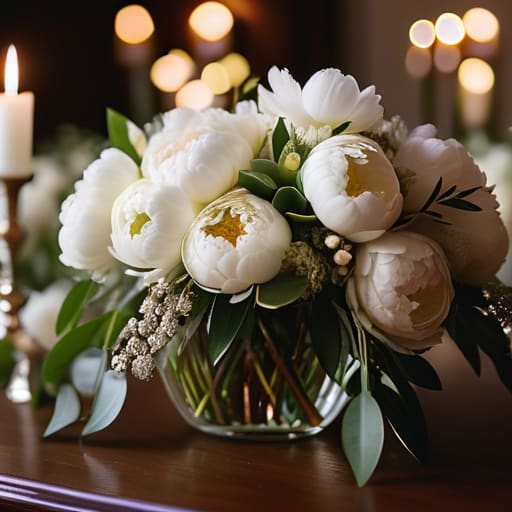
I was standing by the service entrance last Saturday, checking my watch—fourteen minutes until the first course is due and the licence end is already looming like a shadow—when I saw a bride staring at a delivery of oversized hydrangea centerpieces with genuine terror. She hadn’t realized that her “dream aesthetic” had just swallowed her entire contingency fund, leaving nothing for the actual logistics of the evening. Most wedding blogs treat floral costs like a magic trick, focusing on the color palettes and the “vibe,” but they completely ignore the reality of how wedding flowers are budgeted when you factor in the sheer volume of stems required to fill a room. You aren’t just paying for petals; you’re paying for the labor of moving them, the refrigeration to keep them alive, and the inevitable waste when a centerpiece is too large for a standard banquet table.
I’m not here to tell you which peonies are in season or how to pick a romantic shade of blush. My job is to show you where the money actually disappears once the florist leaves the room. I’m going to walk you through the hard numbers, the hidden delivery surcharges, and the strategic ways to allocate your funds so you don’t end up with a stunning ballroom and an empty bar.
Table of Contents
Decoding the Wedding Floral Cost Breakdown
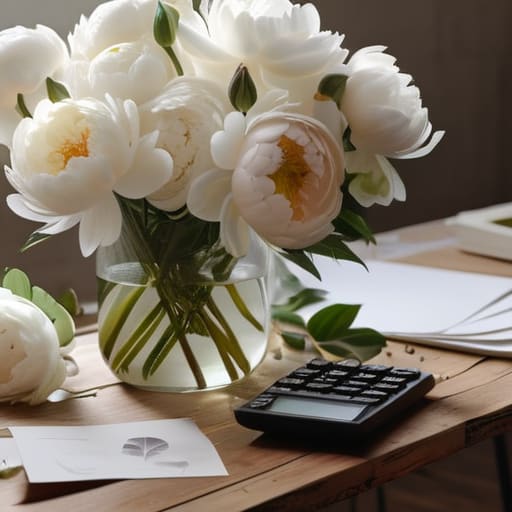
When you look at a quote, it isn’t just a list of stems; it’s a math problem disguised as art. A proper wedding floral cost breakdown usually hides the most expensive part in plain sight: the labor. You aren’t just paying for the roses; you’re paying for the three people who arrive at 7:00 AM to wrestle those heavy installations into place and the person who stays until midnight to clear the debris. Then there are the floral design service fees, which cover the actual brainpower of the designer. If you think you’re just paying for petals, you’re going to have a very rude awakening when the invoice arrives.
Beyond the labor, you have to account for the volatility of the market. Seasonal flower availability is the silent killer of budgets. If you demand a specific Dutch peony in the middle of a heatwave, you aren’t just paying a premium; you’re paying for the logistics of flying it halfway across the world. I always tell my clients to look at wedding bouquet pricing factors like stem count versus scale. A massive, sprawling bouquet looks incredible in a photo, but it’s a logistical nightmare to transport and costs triple what a compact, tight cluster does.
The Real Impact of Seasonal Flower Availability
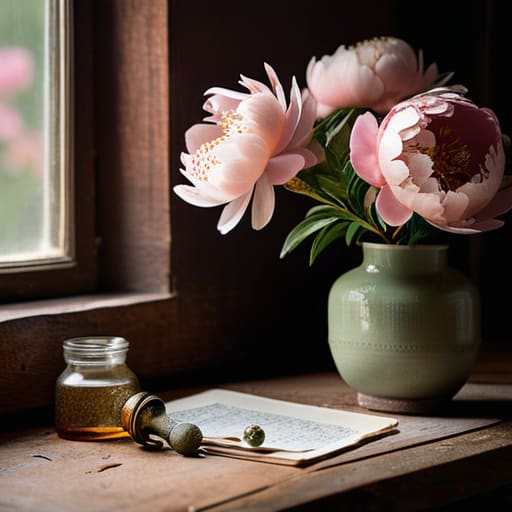
Here is the reality: your Pinterest board doesn’t care about the global supply chain, but your bank account certainly does. When you fall in love with a specific bloom that only grows in a particular corner of Holland or South America, you aren’t just paying for a petal; you are paying for the fuel, the flight, and the frantic logistics of getting it to your venue before the first guest arrives. This is where seasonal flower availability becomes the most significant lever in your budget. If you insist on peonies in November, you’re essentially asking a florist to perform a miracle, and miracles carry a heavy premium.
I’ve seen too many couples realize mid-planning that their “dream look” is actually a logistical nightmare. The smartest move isn’t to fight the seasons, but to lean into them. By choosing what is naturally in bloom, you aren’t just getting fresher flowers; you’re utilizing one of the most effective wedding flower savings tips in existence. It’s about working with the rhythm of the year rather than trying to force a summer aesthetic into a winter slot. If you want to keep the floral design service fees from spiraling, stop looking at the flower itself and start looking at the calendar.
Five Ways to Stop Your Floral Budget from Bleeding Out
- Stop treating every surface like a pedestal. You don’t need a massive, expensive arrangement on every single bistro table; you need impact where people actually look. Focus your money on the ceremony backdrop and the head table, then use simple greenery or even just high-quality candles for the guest tables. It’s the difference between a room that looks “expensive” and a room that just looks cluttered.
- Account for the “transit tax.” If you’re spending your entire budget on lush, heavy installations, you’re forgetting the cost of the hands required to move them. A massive floral arch looks great in a photo, but if it takes four staff members forty minutes to assemble it during the exact window I need them to be clearing cocktail glasses, you’ve just traded your service quality for a centerpiece.
- Build a “buffer for the unexpected” into your floral quote. I’ve seen it a hundred times: a heatwave hits, the peonies wilt by 4:00 PM, or a delivery van gets stuck in traffic, leaving the bridal party with nothing to hold. If your budget is calculated to the penny with zero margin for environmental reality, you’re one bad afternoon away from a disaster.
- Think about the “afterlife” of the flowers. If you spend five grand on flowers that are destined for a bin at midnight because they’re too heavy or too delicate to move, you’ve wasted money. Budget for arrangements that can be easily repurposed—like moving ceremony flowers to the reception area—to get double the visual value for the same price.
- Don’t forget the “unseen” floral costs. When you’re looking at a quote, ask if it includes the mechanics: the foam, the heavy-duty vases, the delivery fees, and the setup/strike time. A florist might give you a brilliant price per stem, but if they haven’t factored in the logistics of getting those stems from the loading dock to the ballroom before the first guest arrives, that “saving” is going to vanish during the setup window.
The Bottom Line on Blooms
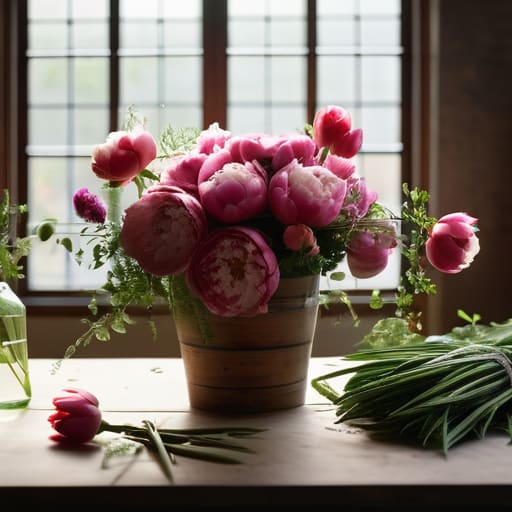
At the end of the day, budgeting for flowers isn’t just about picking a colour palette from a magazine; it’s about understanding that you are paying for more than just petals. You are paying for the seasonality that dictates your price point, the sheer volume of stems required to fill a room, and the hidden logistical heavy lifting that happens long before the guests arrive. If you ignore the reality of seasonal availability or fail to account for the scale of your arrangements, you’ll find yourself staring at a beautiful centrepiece while your actual budget is in a tailspin. Remember, a smart budget treats flowers as a strategic element of the room’s layout, not just an expensive accessory to be tacked on at the last minute.
Look, I’ve seen enough weddings to know that when the lights go down and the music starts, nobody is going to critique the cost-per-stem of your hydrangeas. They are going to remember the atmosphere, the way the room felt, and how much fun they had. If you plan with a bit of grit and a lot of realism, you can have a stunning space without the financial hangover. Don’t let the pursuit of a “perfect” Pinterest look rob you of the ability to actually enjoy the party. Build your budget around logistics and reality, and I promise you, the beauty will take care of itself.
Frequently Asked Questions
If I decide to go with a smaller floral budget, how much will it actually mess with the venue's setup and turnaround times?
It won’t mess with my ability to set the room, but it changes the math on your turnaround. If you slash the budget, you’re likely moving from lush, heavy installations to smaller, individual bud vases. That’s a win for my team; we can move those in minutes. But if you go “budget” by choosing flowers that wilt in twenty minutes under venue lights, you haven’t saved money—you’ve just paid for a room full of expensive compost.
How much of my quote is going toward the actual stems versus the labor required to get them into the room before the guests arrive?
The honest answer? You’re probably paying for the stems and the labor at a ratio that would make a mathematician weep. In my experience, the actual petals and greenery might only account for 30% to 40% of that quote. The rest is the invisible heavy lifting: the florist’s team arriving at 5:00 AM, the van hire, the insurance, and the sheer man-hours required to transform a bare room into your “vision” before the first guest even checks their watch.
Are there specific types of arrangements that look expensive in photos but are actually a logistical nightmare for my budget and the venue space?
Massive, sprawling table runners are the biggest trap. They look stunning in a flat-lay photo, but they’re a nightmare in a real room. They eat up your table real estate, making it impossible for guests to actually reach their bread or wine without a tactical maneuver. Plus, you’re paying for a mountain of greenery that serves zero purpose other than being in the way of the caterers trying to clear plates. Stick to structured centerpieces; they leave room for the food and the people.