I’ve stood in the wings of enough wedding breakfasts to know that the receiving line is where the schedule goes to die. Most wedding planners will tell you it’s a beautiful moment of connection, but from where I’m standing—usually eyeing the clock and counting down the minutes until the licence end—it’s a bottleneck of well-meaning relatives blocking the path to the bar. People spend thousands on floral arches for the entrance, but they never ask how receiving lines and greetings work in a way that doesn’t leave your guests standing in a stagnant queue for forty-five minutes while the kitchen staff stares at you from the doorway.
I’m not here to sell you on the sentimentality of the moment; I’m here to talk about the physics of the room. In this guide, I’m stripping away the fluff to give you the actual mechanics of managing guest flow, controlling the duration of individual interactions, and ensuring your greeting doesn’t become a logistical nightmare. We are going to look at the hard numbers and floor plans required to keep the momentum moving, so you can actually enjoy your drink instead of watching your timeline evaporate.
Table of Contents
Mastering Formal Greeting Procedures Without the Bottlenecks
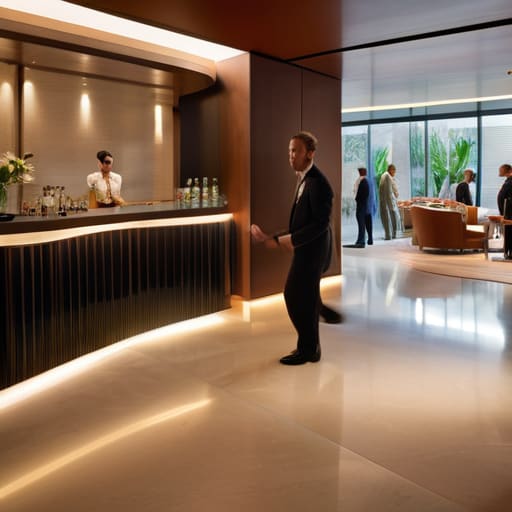
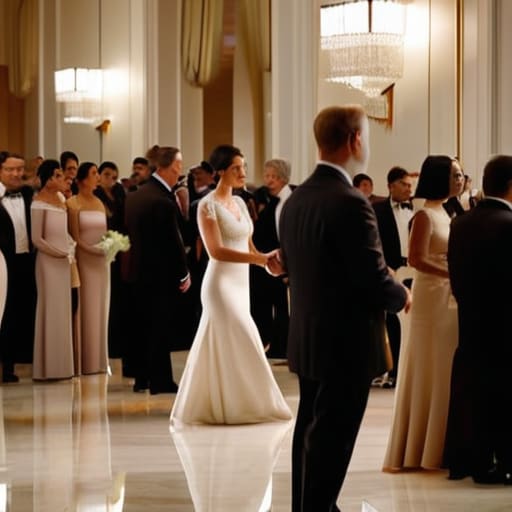
If you want to avoid a logistical nightmare, you have to treat the greeting like a moving assembly line rather than a social mixer. The biggest mistake I see is the “stationary host” trap—where the couple or the guest of honour stands in one spot, effectively becoming a human roadblock. When you ignore the basic principles of managing guest flow at parties, you end up with a bottleneck of well-meaning relatives blocking the path to the bar for forty minutes. My rule of thumb? Keep the line moving by designating a “buffer zone.” If the greeting happens near the entrance, ensure there is enough physical space behind the line so the queue doesn’t spill out into the street or block the service staff.
Effective formal greeting procedures also require a clear exit strategy. Once the handshake or the hug is done, the guest needs a clear, intuitive direction on where to go next—usually toward the bar or the dining area. If you leave them standing there awkwardly, they become part of the clog. I always tell my clients that the secret to smooth social protocol for hosts isn’t about the length of the conversation; it’s about the efficiency of the transition. You aren’t there to catch up on ten years of life updates; you’re there to acknowledge their presence and move the clock forward.
Social Protocol for Hosts the Art of the Efficient Handshake

Here is the reality of the handshake: it is a performance, and if the performers don’t know their cues, the whole evening stalls. When we talk about social protocol for hosts, people tend to focus on the warmth of the welcome, but they forget about the physics of the queue. If you are the host, your job isn’t just to be polite; it is to be a human metronome. You need to acknowledge the person, offer the briefest of pleasantries, and then move them along. If you start digging into how Aunt Margaret’s hip replacement went, you haven’t just stalled the greeting—you’ve created a structural bottleneck that will ripple through the entire evening.
The secret to effective wedding receiving line etiquette is knowing when a conversation has reached its natural conclusion. You aren’t there to hold court; you are there to facilitate the transition from the entrance to the main event. I tell my clients that a successful greeting is like a well-timed service in a busy restaurant: it must be seamless, purposeful, and above all, efficient. If you can’t master the art of the quick, meaningful connection, you’ll find your guests standing in a stagnant line while the bar queue grows to unmanageable proportions.
Five Ways to Stop the Greeting from Killing Your Schedule
- Watch the “Lingerers.” You’ll always have that one aunt who treats a thirty-second handshake like a deep-dive psychotherapy session. You need a subtle, polite way to keep the line moving, or you’ll have fifty guests standing awkwardly in a bottleneck while the champagne gets warm.
- The Bar is your best friend—and your worst enemy. If you position the greeting line too close to the bar, people will stop talking to you entirely just to grab a gin and tonic. Keep the greeting and the first drink at least ten metres apart to ensure the flow actually reaches the room.
- Don’t underestimate the “Buffer Zone.” You cannot have people walking straight from the ceremony into a tight, static line. You need a transitional space—a courtyard or a foyer—where they can shake off the ceremony nerves before they hit the bottleneck.
- Brief your VIPs. If your parents or wedding party are part of the line, tell them now: this is a greeting, not a reunion. If they don’t understand that every extra minute they spend hugging is a minute stolen from the dinner service, you’ll be chasing the schedule for the rest of the night.
- Work backwards from the license. If your music and food service are scheduled for 7:00 PM, and your greeting line is running twenty minutes behind, you aren’t just “running late”—you are actively eating into the time guests have to actually enjoy the party before the lights go up.
The Final Countdown
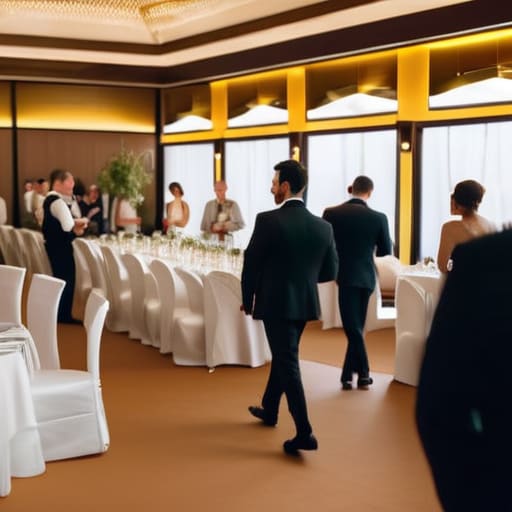
At the end of the day, a receiving line isn’t a performance; it’s a logistical hurdle that you either clear or trip over. If you’ve managed the flow, kept the handshakes brief, and ensured the bar isn’t being blocked by a stationary queue of well-meaning relatives, you’ve already won half the battle. Remember that every minute spent stuck in a bottleneck is a minute stolen from the dance floor or the dinner service, and once that licence end approaches, you won’t get those minutes back. Focus on the movement, not the sentimentality, because a guest who actually gets to sit down and have a drink is a much happier guest than one who spent forty minutes waiting to say hello to a groom who’s already looking at his watch.
If you take anything away from this, let it be that the most successful events aren’t the ones that look perfect in a staged photograph, but the ones that feel seamless to the people in the room. When you plan for the friction—the slow walkers, the long-winded uncles, and the inevitable delays—you create the space for the actual magic to happen. Don’t let the logistics become the enemy of the celebration; instead, use them as the invisible scaffolding that holds everything up. Build a solid plan, trust your timings, and then step back and let the party actually begin.
Frequently Asked Questions
How do I stop the line from stalling when a guest decides to tell a ten-minute story right in front of the couple?
You don’t stop the storyteller; you manage the environment. If you see a guest leaning in for a ten-minute monologue, you don’t wait for the couple to drown. You deploy a “buffer.” I tell my staff to circulate with trays of drinks or even just a polite, “Excuse me, we need to keep the flow moving for the next group.” You have to treat the line like a moving walkway. If it stops, the schedule dies.
If we decide to skip the formal line entirely, how do we ensure the VIPs and older relatives actually get their moment without it feeling chaotic?
If you scrap the line, you’re trading a bottleneck for a free-for-all. To stop it from turning into a chaotic scramble, you have to engineer the movement. Don’t leave it to chance. Instead, use “micro-moments.” Direct the VIPs and older relatives to a designated, comfortable area—away from the bar rush—and have your floor staff or a trusted usher facilitate the introductions there. It keeps the flow moving for the crowd while protecting the dignity of the important people.
What is the realistic impact on the catering timeline if the greeting process runs twenty minutes over schedule?
Twenty minutes is a lifetime in a kitchen. If your greeting line stalls, the caterers aren’t just sitting there; they’re fighting a losing battle against temperature and timing. That twenty-minute delay ripples through the entire service: the appetizers go cold, the hot starters lose their structural integrity, and the kitchen staff starts hitting that frantic, “everything-at-once” panic mode. By the time you actually sit down, you’re already twenty minutes behind the licence end.