I was standing in the wings of a wedding reception last June, watching a beautifully plated sea bass glide toward Table Four, when the bride’s mother pulled me aside with a look of pure panic. She wasn’t worried about the centerpiece or the late DJ; she was terrified that a rogue peanut or a bit of stray flour was about to ruin her daughter’s big day. This is the reality that wedding blogs never mention: you can spend ten grand on peonies, but if you haven’t mastered the granular, terrifying details of how allergen law affects catering, the whole evening is a ticking time bomb. Most people think compliance is just a checkbox on a menu, but in a high-pressure service environment, it’s a high-stakes game of logistical precision.
I’m not here to give you a legal lecture or a dry reading of the handbook. I’ve spent eighteen years watching service go sideways because someone thought “it’ll probably be fine” was a valid kitchen strategy. Instead, I’m going to pull back the curtain on the actual mechanics of it all. I’ll show you how to manage the cross-contamination risks, the communication breakdowns between the front and back of house, and the real-world costs of staying compliant when the kitchen is under fire.
Table of Contents
Mandatory Allergen Disclosure Requirements More Than Just a Menu Note
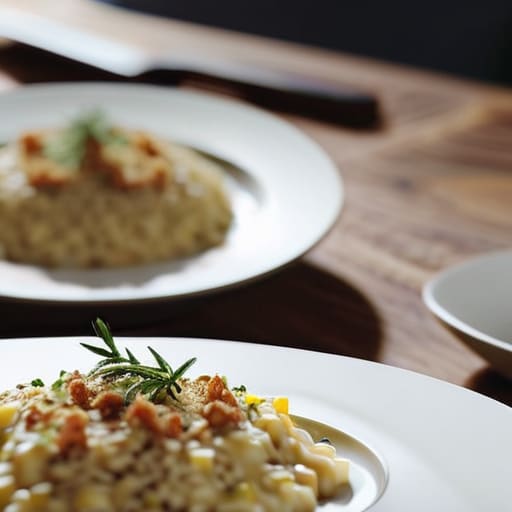
Look, I’ve seen it a dozen times: a couple spends six months obsessing over the shade of sage green for the napkins, only to have the entire reception derail because the “gluten-free” risotto was plated on the same surface as the bread rolls. You can’t just slap a little asterisk next to a dish on a printed menu and call it a day. Mandatory allergen disclosure requirements aren’t a suggestion or a courtesy; they are a legal baseline. If a guest asks about an ingredient and your server shrugs because they “think” it’s fine, you aren’t just being unhelpful—you are walking a tightrope over a massive liability.
In a high-pressure service environment, the danger isn’t usually a chef trying to be malicious; it’s the chaos of a hundred plates moving at once. This is where cross-contamination prevention in commercial kitchens becomes the difference between a successful wedding and a legal nightmare. It requires more than just reading a label; it requires a system where the kitchen staff understands that a single stray crumb can shut down your entire event. If the communication between the front of house and the pass breaks down, you aren’t just looking at a disgruntled guest—you’re looking at the legal consequences of mislabeling food that can haunt your venue for years.
Managing Dietary Requirements in Event Planning Without Breaking the Servic

Here is the reality of the dining room: the moment the first course hits the table, the clock starts ticking against your licence end, and you have zero margin for error. You can have the most beautiful plated menu in the city, but if your service team doesn’t know exactly which plate is the gluten-free one, the entire evening descends into chaos. Managing dietary requirements in event planning isn’t just about checking a box on a spreadsheet; it’s about the physical choreography of the floor. I’ve seen weddings where the “special meal” arrives twenty minutes after the main service has finished, leaving one guest staring at an empty place setting while everyone else is halfway through dessert.
To prevent this, you need more than just a polite nod to the kitchen. You need rigorous cross-contamination prevention in commercial kitchens and a service staff that understands the weight of what they are carrying. If a waiter tells a guest, “I think this is safe,” they have already failed. It’s about ensuring that the flow of the meal remains seamless for the ninety-nine people who don’t have restrictions, without making the one person with an allergy feel like a logistical burden.
Five Ways the Law Will Crash Your Service if You Aren't Looking
- Stop treating the ‘allergen list’ as a side note for the waiter; it is a legal document. If your kitchen staff thinks they can just ‘wing it’ because they recognize the ingredients, they are one mistake away from a lawsuit and a very angry guest at table four.
- The ‘Cross-Contamination Trap’ isn’t just about the food; it’s about the logistics of the space. You need a dedicated prep zone that isn’t being swamped by the general service, because once the rush hits and the kitchen gets tight, that “clean” spatula is going to find its way into the wrong pan.
- Map your service flow around the special diets before the first plate leaves the pass. If your server has to run back to the kitchen five times to double-check a nut allergy because the menu was vague, you’ve already lost the rhythm of the room and the licence end is creeping closer.
- Audit your suppliers like they’re part of your own staff. If your bread vendor changes their recipe without telling you, your ‘safe’ gluten-free option just became a liability, and ‘I didn’t know’ is a phrase that holds zero weight when the inspectors show up.
- Build a buffer into your timings for dietary requests. A guest with a severe allergy takes longer to serve safely, and if you haven’t accounted for that extra three minutes of careful plating, your entire dining room service will start lagging, the wine will get warm, and the atmosphere will sour.
The Bottom Line on the Plate

At the end of the day, allergen compliance isn’t a box-ticking exercise for your compliance folder; it is the backbone of a functional service. You can have the most expensive linen and a band that plays until the licence end, but if a guest ends up in A&E because a server guessed about the pesto, the night is a failure. It comes down to the trifecta: clear communication with the client, ironclad protocols in the kitchen, and a service team that actually knows the difference between a “preference” and a life-threatening requirement. If your logistics don’t account for the extra ten minutes it takes to prep a safe, separate meal, you aren’t just risking a fine—you are breaking the fundamental promise of hospitality.
I’ve seen weddings go from a dream to a disaster in the time it takes to clear a dessert course, usually because someone thought they could “wing it” with a dietary request. But when you get the logistics right—when the kitchen is synchronized and the staff are briefed—the food becomes invisible in the best way possible. It just works. My advice? Stop looking at allergen law as a hurdle and start seeing it as the foundation of a smooth event. When the safety is handled, the guests can actually focus on the wedding, and you can finally stop worrying about the kitchen and start watching the clock.
Frequently Asked Questions
If a guest mentions an allergy verbally at the door rather than on the RSVP, whose responsibility is it to ensure the kitchen actually sees that information before the plates go out?
It’s the venue manager’s nightmare, and frankly, it’s a shared liability. If a guest drops a bombshell at the door, the responsibility falls on the person who takes the information—usually the front-of-house lead or the host. You cannot simply “tell the waiter” and hope for the best. It requires an immediate, documented hand-off to the kitchen. If that information doesn’t hit the pass before the plates are moving, the logistics fail and the risk skyrockets.
How do I balance the legal need for strict cross-contamination protocols with the reality of a high-pressure, small-kitchen turnaround during a wedding breakfast?
You don’t balance it; you prepare for the collision before the first guest sits down. In a high-pressure wedding breakfast, “winging it” is how people end up in A&E. You need a dedicated “allergen station” in that cramped kitchen—even if it’s just one clean corner—and a lead server who isn’t also trying to pour wine. If the kitchen is too small for separate prep, you don’t risk the cross-contamination; you simplify the menu.
At what point does a "preference" become a "legal requirement," and how do I stop my service staff from making promises to guests that the caterers can't actually keep?
Look, here’s the line in the sand: a “preference” is someone wanting gluten-free because they read a blog; a “legal requirement” is when a guest tells you they have a clinical allergy. The moment they mention a medical necessity, the gloves come off. To stop your staff from playing hero, you need a hard rule: “I will check with the kitchen,” not “I’ll make sure it’s fine.” Promises kill services; verified information saves them.