
I once watched a wedding reception go from “magical summer evening” to “uncontrolled chaos” in exactly twelve minutes, all because the couple thought they could negotiate with the law. They’d spent six months picking out the perfect linen napkins and artisanal gin, but they hadn’t spent a single second understanding how licensing affects alcohol service when the clock hits midnight. You can have the most expensive bar setup in the county, but the local council doesn’t care about your aesthetic; they care about the hard stop. When that licence expires, the music doesn’t just fade—the taps go dry, the glasses get cleared, and suddenly you’re left trying to manage a room full of people who feel personally insulted by a piece of paper.
I’m not here to sell you on fancy glassware or the latest cocktail trends. I’m here to talk about the logistics that actually keep your event from imploding. I’m going to pull back the curtain on the uncomfortable realities of bar management, from the timing of your last call to the way a poorly planned service can bottleneck your entire evening. We’re going to look at the real-world friction between your guest list and the legalities of the pour, so you can plan for the logistical reality instead of the Pinterest dream.
Table of Contents
Licensing Authority Regulations Are Not Suggestions

I’ve seen plenty of planners treat the local council’s rulebook like a list of polite recommendations—something you can nudge or negotiate if the mood is right. Let me clear that up immediately: licensing authority regulations are not a starting point for a conversation; they are the boundaries of the playground. If your permit says service ends at midnight, it ends at midnight. There is no “just one more round” when the clock hits the limit, and there is no amount of charming the bride’s uncle that will stop a local officer from stepping in.
When we talk about alcohol service legal compliance, we aren’t just talking about keeping the peace; we are talking about the survival of the venue. I’ve seen venues lose their ability to trade because a manager thought they could bend the rules to please a demanding client. Whether it’s the specific premises license requirements regarding capacity or the strictness of age verification, these rules are ironclad. You can plan the most beautiful floral arrangements in the world, but if you fail on the legalities, the party doesn’t just end—it collapses.
The High Stakes of Alcohol Service Legal Compliance
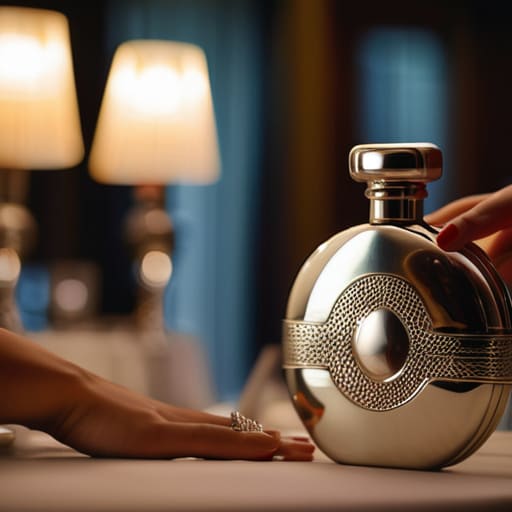
I’ve seen it happen a dozen times: a wedding is hitting its stride, the energy is high, and then a well-meaning bridesmaid decides to bypass the bar and start handing out shots from a flask. To the guests, it’s a bit of fun; to me, it’s a massive breach of alcohol service legal compliance that puts my entire venue at risk. When you are operating under strict premises license requirements, you aren’t just managing a party; you are managing a legal boundary. If a guest gets too far gone and the authorities decide to do a spot check, “but they were having a lovely time” is not a valid legal defense.
This isn’t just about avoiding a fine, though the paperwork alone is enough to make your head spin. It’s about the weight of personal license holder responsibilities. If my staff aren’t trained to spot the exact moment a guest crosses the line, the liability falls squarely on the shoulders of the person running the show. Liquor law enforcement doesn’t care about your sentimental wedding timeline. They care about whether the service was controlled, documented, and safe. You can have the most beautiful floral arrangements in the world, but they won’t mean a thing if the police are standing in the foyer at 11:00 PM.
Five Ways the Licence Dictates Your Night
- The “Hard Stop” is real. You can plan the most emotional, sweeping speeches you want, but if your licence ends at midnight, the bar closes at midnight. I’ve seen planners try to “taper off” the service, but unless you want a crowd of thirsty, disgruntled guests staring at you like you’ve personally insulted their ancestors, you need to build your entire timeline backwards from that final bell.
- Capacity isn’t a suggestion; it’s a legal ceiling. If your venue is rated for 150 and you squeeze in 160 because “it’s just a few more cousins,” you aren’t being efficient—you’re being a liability. If a licensing officer walks in and sees a room overflowing, they don’t care about your beautiful floral arrangements; they care about the breach, and they can shut you down on the spot.
- The “Designated Premises Supervisor” (DPS) isn’t just a title on a piece of paper. They are the person standing between a successful evening and a massive fine. If your staff doesn’t understand that the DPS holds the ultimate responsibility for how alcohol is served, you’re one spilled drink or one over-served guest away from a legal nightmare.
- Don’t forget the “Pre-Event” logistics of service. Licensing dictates not just how much you can serve, but how it’s served. If your licence has specific conditions regarding the type of glassware or the way alcohol is presented, trying to “wing it” with plastic cups or self-service stations can lead to a swift visit from the authorities.
- The “Buffer Zone” strategy. Never schedule your main event activities to end five minutes before the bar closes. You need a transition period. If the music stops and the bar shuts at the exact same moment, you create a vacuum that guests fill with chaos. Plan for the “wind-down” to start well before the legal limit, or you’ll spend the last hour of your event playing bouncer instead of host.
The Bottom Line on the Bar

At the end of the day, managing alcohol service isn’t about being the fun police; it’s about understanding that your licence is the invisible boundary of your entire event. You can have the most exquisite floral arrangements and a menu that costs more than my first car, but if you haven’t accounted for the hard stop of the licence end or the legal weight of responsible service, the whole evening is built on sand. We’ve talked about the regulations, the legal stakes, and why you can’t just “wing it” when the prosecco starts flowing. Remember: every decision you make regarding the bar—from the speed of service to the timing of the last call—is a direct response to that piece of paper hanging in my office. Logistics dictate the mood, and the law dictates the logistics.
If you take one thing away from this, let it be that the most successful events aren’t the ones that push the boundaries, but the ones that respect them. There is a specific kind of magic in a wedding or a conference where the guests feel completely taken care of, never once noticing the complex machinery of compliance and timing working silently in the background. When you plan for the constraints, you actually create the freedom for people to enjoy themselves. Don’t fight the clock or the law; build your masterpiece around them. Because when the lights come up and the last guest leaves safely, that is the only true measure of a job well done.
Frequently Asked Questions
What happens if my guests start getting rowdy ten minutes before the licence officially ends?
You hit the wall. Hard. If things are boiling over ten minutes before the clock strikes midnight, you don’t wait for the chaos to peak; you start the wind-down now. I’ve seen it a hundred times: you stop serving, you switch to water, and you start the “last orders” dance early. You aren’t being a buzzkill; you’re managing the exit. If you wait until the final minute to act, you’re not a manager—you’re a spectator.
Can I actually extend my bar hours on the night if the party is going well, or is that a legal impossibility?
No. Absolutely not. I’ve seen the look in a bride’s eye when the dance floor is peaking, but the law doesn’t care about the vibe. If your licence says midnight, the taps stop at midnight. There is no “just another thirty minutes” or “we’ll pay a fine.” You can’t negotiate with the council from the middle of a dance floor. Once that clock hits the limit, the party’s legal life is over. Plan accordingly.
How much of my budget should I be earmarking for security just to keep the licensing inspectors off my back?
Look, if you’re trying to budget for security just to bribe the inspectors, you’re looking at it wrong. Security isn’t a bribe; it’s your frontline defense against a licensing breach. For a standard wedding, earmark about 5-10% of your total hospitality spend. Don’t skimp. You aren’t paying them to look tough; you’re paying them to spot the guest trying to slip a bottle of gin into a coat pocket at 11:45 PM.