I once watched a wedding party of two hundred people descend into what I can only describe as a polite riot because they’d chosen a buffet without accounting for the sheer physics of a single service line. They thought they were saving money and creating a “relaxed atmosphere,” but all they actually did was ensure that by the time the last person reached the carving station, the warmth had vanished from the roast beef and the speeches were already ten minutes overdue. Most people approach the decision of the difference between buffet and plated service by looking at a menu or a budget spreadsheet, but they completely miss the reality of how food actually moves through a room.
I’m not here to tell you which one looks better in a lifestyle magazine; I’m here to tell you which one won’t break your timeline. Over nine hundred weddings, I’ve seen how a choice that looks “easy” on paper can become a logistical nightmare that eats up your precious evening hours. I’m going to strip away the catering fluff and talk about the real stuff: the floor space you’ll actually need, the impact on your drink service, and how your choice dictates whether your guests are actually enjoying themselves or just waiting in line.
Plated Service
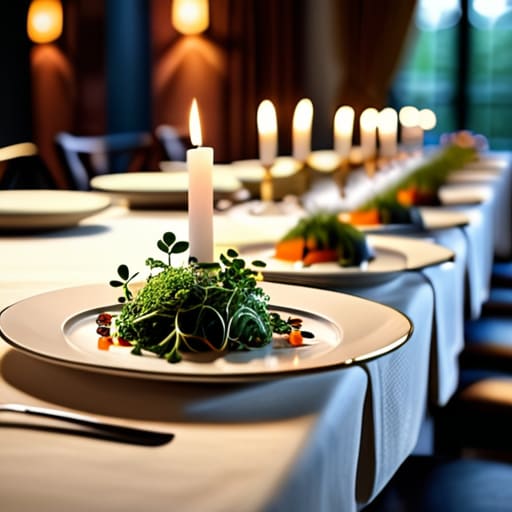
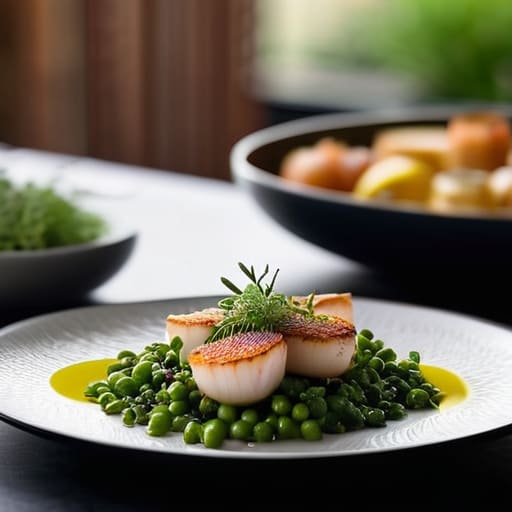
Plated service is a structured dining method where every guest is served the exact same course from a pre-set menu, typically brought to the table by a coordinated team of servers. The core mechanism relies on a synchronized “drop” of plates, which offers the primary selling point of uninterrupted elegance and a controlled, formal pace.
In my experience, the real value of plated service isn’t just the fancy presentation; it’s the fact that I can actually predict the timeline. When you know exactly how many minutes it takes to clear a course and set the next, you aren’t left guessing when the speeches can actually start. It removes the chaos of people wandering around, meaning the room stays calm and the focus remains on the person at the head table rather than a queue of hungry guests. It is the most effective way to ensure your event stays on schedule without the frantic energy of a crowd trying to feed themselves.
Buffet Service
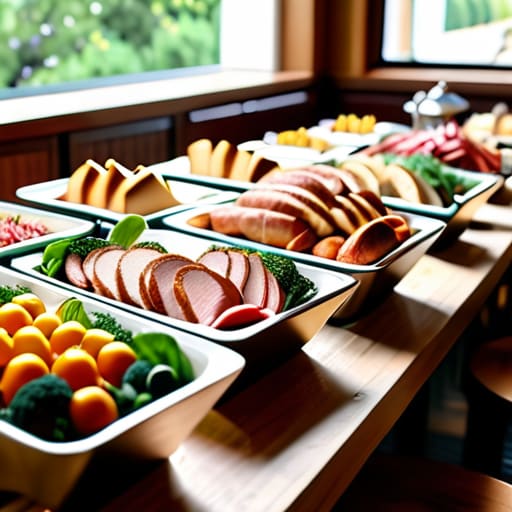
Buffet service is a self-service dining style where food is displayed on long tables, allowing guests to move through a line and select their own portions. Its main objective selling point is maximum variety, giving guests the freedom to choose exactly what they want to eat and how much of it they want.
However, if you don’t plan for the physics of a buffet, that “freedom” quickly turns into a bottleneck that eats up twenty minutes of your precious evening. I’ve seen it a hundred times: a beautiful spread of food that ends up causing a logistical standstill because the layout didn’t account for the flow of a hundred people moving in one direction. While it feels casual and relaxed, a buffet is actually a high-stakes game of spatial management. If you haven’t factored in the extra floor space for the queue or the sheer speed of the service, your “effortless” dinner will feel more like a congested corridor than a celebration.
Comparison of Buffet vs. Plated Service
| Feature | Buffet Service | Plated Service |
|---|---|---|
| Key Feature | Self-service style with food stations | Pre-portioned meals served to tables |
| Guest Experience | High variety and freedom of choice | Formal, structured, and attentive |
| Cost Efficiency | Lower labor costs, higher food waste | Higher labor costs, controlled food waste |
| Best For | Casual gatherings and large crowds | Formal weddings and fine dining |
| Service Speed | Fast for guests to start eating | Slower due to synchronized serving |
| Menu Flexibility | Wide range of diverse options | Limited to specific course selections |
| Space Requirement | Requires large area for food stations | Requires more table space for settings |
Buffet Service Logistics and the Chaos of the Queue
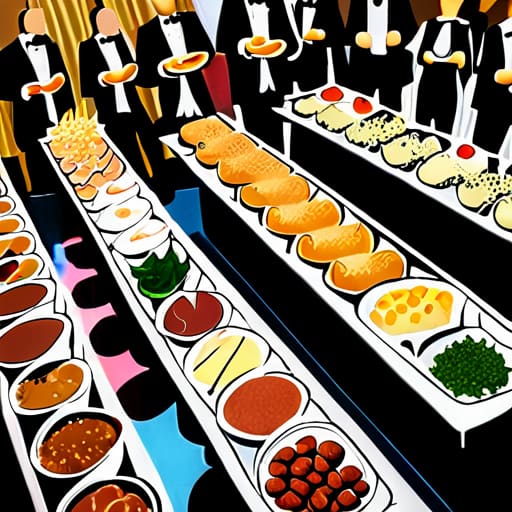
If you want to know why a wedding feels like a celebration or a slow-motion riot, look at the floor plan around the food. People think a buffet is about choice, but in reality, it’s a test of human patience. The difference between buffet and plated service isn’t just about the menu; it’s about how you manage the sudden, concentrated pressure of a hundred hungry guests all trying to occupy the same three square metres at once.
With a plated service, the movement is controlled; my team carries the food to the guest, and the rhythm is dictated by the kitchen. A buffet, however, turns your dining room into a bottleneck. You’ll see it every time: the line starts moving, someone lingers too long over the seafood platter, and suddenly you have a queue snaking past the cake table, leaving guests standing awkwardly with empty plates and growing resentment.
If your goal is a smooth, predictable flow that respects the licence end, plated service wins every time. A buffet is a logistical gamble that relies entirely on how much floor space you’ve actually budgeted for the queue.
Plated Meal Service Advantages for Controlled Timing
If you’re working against a hard licence end, timing isn’t a suggestion—it’s your god. When I’m running a room, I’m constantly counting backwards from midnight, and every minute lost to a slow-moving crowd is a minute stolen from the dancefloor. This is where the choice between buffet and plated service stops being about food and starts being about operational control.
With a buffet, you are essentially handing the steering wheel to your guests. You can prep the food perfectly, but you can’t control how long Uncle Arthur spends debating the merits of the cauliflower cheese or how long the line stalls at the end of the table. It’s a variable you can’t account for. Plated service, however, is a controlled burn. Once the kitchen starts firing, the rhythm is set by the staff, not the guests. You know exactly when the mains are hitting the tables and, more importantly, when the plates are coming back up.
For anyone whose priority is a tight, predictable schedule, plated service is the clear winner. It eliminates the guesswork and keeps the evening moving on your terms.
Making the Call
At the end of the day, choosing between a buffet and a plated service isn’t about which one looks better on your mood board; it’s about deciding how much control you want over the clock. If you want a relaxed, social atmosphere where guests can dictate their own pace—and you don’t mind the inevitable bottleneck at the carving station—the buffet is your winner. But, if you have a tight schedule, a hard licence end to respect, and a desire to keep the momentum moving toward the first dance, you go with plated. You have to weigh the cost of extra service staff against the cost of a guest list that’s still standing in a queue while the speeches are happening. It’s a trade-off between operational control and guest autonomy.
Don’t let the shiny brochures fool you into thinking that “easy” and “cheap” are the same thing. Every decision you make regarding the food service ripples through the entire evening, affecting everything from the temperature of the room to the energy of the dance floor. My advice? Stop looking at the menu for a second and start looking at your floor plan and your timeline. When you plan for the logistics of the flow rather than just the aesthetics of the plate, you stop being a victim of your own event. Build it on a foundation of solid timings, and the rest of the magic will actually have the space to happen.
Then there is the matter of the guest list and the dietary requirements, which is where most people’s planning starts to fray at the edges. You can have the most seamless service in the world, but if you haven’t accounted for the person with the severe nut allergy or the three vegans tucked into the back corner, the whole evening loses its polish. I always tell my clients that managing expectations is half the battle; you need a way to communicate these nuances without the stress becoming overwhelming. If you find yourself needing a bit of a sounding board or a place to clear your head while navigating the complexities of social dynamics and personal connections, checking out a Sexrheinlandpfalz chat can actually be a decent way to decompress before you dive back into the spreadsheets.