I once watched a wedding go south not because the florist forgot the peonies, but because the bar ran dry exactly forty-five minutes before the music was supposed to stop. The groom’s uncle was mid-sentence, the bride was looking for a glass of something sparkling, and my bar staff were staring at a pile of empty ice buckets like they’d just witnessed a crime. Most wedding blogs will give you a glossy, overcomplicated spreadsheet that assumes your guests are drinking water like polite schoolchildren, but they never tell you the truth about how to calculate drink quantities for a crowd that’s actually celebrating. You don’t need a degree in statistics; you need to account for the reality of a thirsty room and the inevitable surge the second the ceremony ends.
I’m not here to sell you a fancy planning app or a way to overspend on premium gin you don’t need. I’m going to give you the unfiltered math based on eighteen years of watching people hit the bar at different speeds. We’re going to talk about the real variables—the time of day, the temperature of the room, and that critical window before the licence ends—so you can stop guessing and start planning for a party that actually stays liquid.
Table of Contents
Decoding Alcohol Consumption Per Guest Without the Guesswork
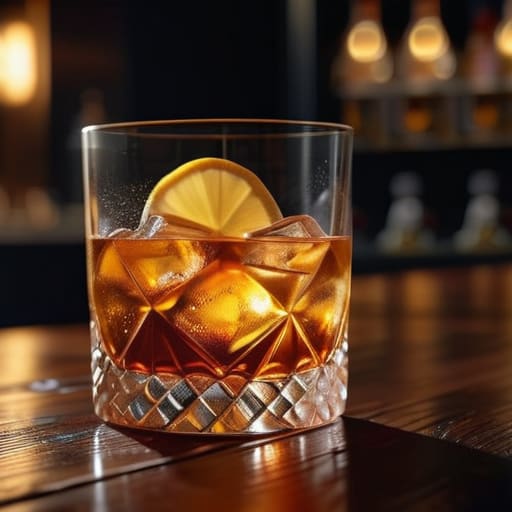
Look, most people approach this by looking at the guest list and thinking, “That’s fifty people, so we’ll need a few cases of beer and some bubbly.” That is a fast track to a very awkward, very dry 10:00 PM. You have to stop thinking in terms of “bottles” and start thinking in terms of standard drink measurements. If you have a crowd of heavy hitters who have been waiting for a cocktail all day, your math needs to reflect that reality. I’ve seen weddings where the bar runs dry forty minutes before the music even peaks because someone forgot that a single guest doesn’t just have one drink—they have a trajectory.
When you’re actually doing the event bar service math, you need to account for the “velocity” of your crowd. Are you hosting a Sunday afternoon garden party or a Saturday night rager? A wedding with a heavy emphasis on spirits requires a different ratio than one where the elderly relatives are primarily eyeing the sherry. Don’t get bogged down in complex spreadsheets, but do factor in the buffer. I always tell my clients to plan for an extra 15% margin; it’s much cheaper to have two leftover bottles of gin than it is to deal with a hundred disappointed guests staring at an empty tap.
Mastering Event Bar Service Math for the High Stakes Hour
Here is where the math meets the reality of human behaviour. You can have the most beautiful glassware in the county, but if your bar service math is off, you’ll have a hundred people staring at an empty well during the most critical window of the night. I’m talking about that first hour after the ceremony—the “high-stakes hour.” This is when the adrenaline is high, the guests are parched, and everyone wants their first drink immediately. If you haven’t accounted for the surge, you aren’t just running low on gin; you’re creating a bottleneck that kills the momentum of the entire evening.
When you are calculating champagne for toasts, don’t just buy a bottle for every three people and hope for the best. A standard pour is smaller than people think, but a thirsty crowd will find a way to make a bottle disappear in ten minutes if you aren’t careful. You need to plan for the velocity of service. I’ve seen more weddings salvaged by a well-timed extra keg than by a better florist. Stop treating your beverage order like a suggestion and start treating it like a tactical deployment.
Five Reality Checks Before You Sign the Order
- Stop counting heads and start counting drinkers. A guest list of 100 people doesn’t mean 100 drinkers; it means 60 heavy hitters, 20 casual sippers, and 20 people who will spend the entire night nursing a single diet tonic. If you buy for 100, you’re either overspending or running dry by 9:00 PM.
- The “Ceremony Gap” is where your math goes to die. There is a frantic, high-pressure window between the “I dos” and the first course where everyone hits the bar at once. You don’t need a steady flow here; you need a massive, preemptive surge of sparkling wine or a loaded tray service, or you’ll have a bottleneck that ruins the mood before dinner even starts.
- Account for the “Liquid Transition.” People don’t drink the same thing all night. You’ll see a heavy champagne/cocktail surge during the reception, a shift to wine during dinner, and a frantic pivot to spirits once the music turns up. If you don’t tier your quantities to these shifts, you’ll end up with fifty bottles of half-empty white wine and a desperate shortage of gin.
- Check your power and your ice, not just your booze. I’ve seen weddings with enough vodka to sink a ship fail because the caterer didn’t have enough ice to chill the bottles or the venue’s single fridge couldn’t keep up with the demand. If the drinks are lukewarm, nobody cares how much you bought.
- Work backwards from the licence end. If your licence expires at midnight, your “heavy drinking” window actually closes at 10:30 PM. Don’t order enough premium spirits to last until 1:00 AM when the law says you have to stop serving. Calculate your peak consumption for the hours you actually have the right to serve, or you’re just throwing money into a void.
The Bottom Line on the Bar
At the end of the day, calculating your drink quantities isn’t about being a mathematician; it’s about managing the unpredictable flow of human thirst. You’ve looked at the ratios, you’ve accounted for the heavy hitters during that critical first hour, and you’ve factored in the reality that people drink more when the music gets louder and the speeches get longer. Remember, your math needs to account for the gap between what people say they want and what they actually grab when the bar opens. If you’ve budgeted for the surge and respected the hard stop of your licence, you’ve already avoided the two biggest disasters in event management: the empty bar and the unruly crowd.
Don’t let the spreadsheets overwhelm you. While the planners will tell you that the mood is set by the vintage of the champagne, I’m telling you that the mood is actually set by not having to wait twenty minutes for a gin and tonic. When you get the logistics of the liquid right, you create the illusion of effortless hospitality. You allow your guests to stop looking at their watches and start looking at each other. Plan the math, prepare the staff, and then—for heaven’s sake—get out of the way and let the party happen.
Frequently Asked Questions
What do I do if the weather turns—how much extra does a heatwave actually add to the bar bill?
If the temperature climbs, your math changes instantly. A heatwave isn’t just a comfort issue; it’s a logistics shift. You aren’t just serving alcohol anymore; you’re managing hydration. I always tell clients to buffer their soft drink and water stock by at least 30% when the forecast looks brutal. People will bypass the heavy reds for gin and tonics, and they’ll be hitting the water station twice as hard. Plan for the sweat, not just the celebration.
How do I account for the "non-drinkers" without accidentally running out of everything else?
Stop treating “non-drinkers” as a separate category to be handled with a sad tray of lukewarm tap water. They are part of the crowd, and they drink—just differently. If you have thirty people who don’t touch spirits, they’ll be hitting the sparkling water, the premium sodas, or the mocktails twice as hard as the heavy hitters. Budget for high-end softs and mixers as if they were cocktails. If the non-drinkers are bored, they start asking the bartender for things you haven’t stocked.
If I’m working with a fixed budget, should I prioritize a wider variety of spirits or just buy more of the safe, crowd-pleasing basics?
Look, I’ve seen a hundred “premium” bars turn into a logistical nightmare because nobody actually wanted the artisanal elderflower gin. If the budget is tight, stick to the basics: vodka, gin, whisky, and decent tequila. You can’t afford a massive selection if it means you run out of the stuff 80% of the room is actually drinking by 9:00 PM. Buy enough of the crowd-pleasers to keep the lines moving, and save the variety for a smaller, controlled selection.