I’ve stood at the back of enough reception rooms to know that a wedding looks beautiful in a still photograph, but it feels entirely different when you’re actually standing in the middle of it. Most of the advice you’ll find online focuses on the “dreamy” side of things—the sprawling floral arches and the bespoke table settings that look great on a screen but drain your bank account before you’ve even paid the caterer. People spend a fortune trying to manufacture an atmosphere, often overlooking the fact that a wedding is, at its heart, a logistical puzzle. If you’re hunting for budget friendly wedding decoration ideas, you need to stop looking at what looks expensive and start looking at what actually works without breaking your budget or your sanity.
In this list, I’m stripping away the fluff to give you seven practical ways to decorate that won’t leave you staring at a mounting pile of debt. We aren’t talking about cheap plastic bunting that catches the wind and looks like a high school disco; I’m talking about strategic visual impact. I’ll show you how to prioritize the decor that guests actually notice and how to avoid the common pitfalls that turn a beautiful room into a logistical nightmare. By the end of this, you’ll know exactly where to spend your money and, more importantly, where to save it.
The Greenery Gamble
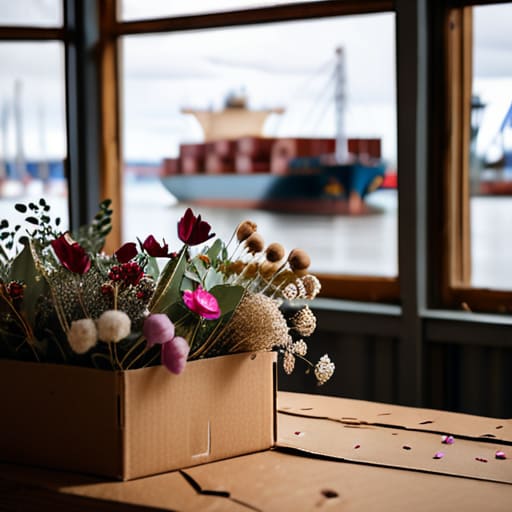
If you’re planning to source any of these items from overseas to shave a few quid off the total, just make sure you aren’t ignoring the logistical headache of shipping delays or customs fees that can eat your savings alive. I’ve seen plenty of couples get caught out by a beautiful centerpiece that’s stuck in a shipping container three weeks after the wedding date. If you happen to be coordinating things from abroad or just need to bounce some practical advice off people who actually understand the local landscape, checking out local chat in Germany can be a massive lifesaver for getting the ground truth on vendors and delivery realities before you hit ‘buy’.
Everyone wants those massive, cascading floral installations that look like a botanical garden exploded on the head table. I’ve seen them, and I’ve also seen the invoice attached to them. If you want to save money, stop looking at peonies and start looking at eucalyptus and ferns. Greenery is cheaper, it’s structurally sound, and it doesn’t wilt the second the heating kicks in or the sun hits the windows during the speeches.
Lighting Over Luxury
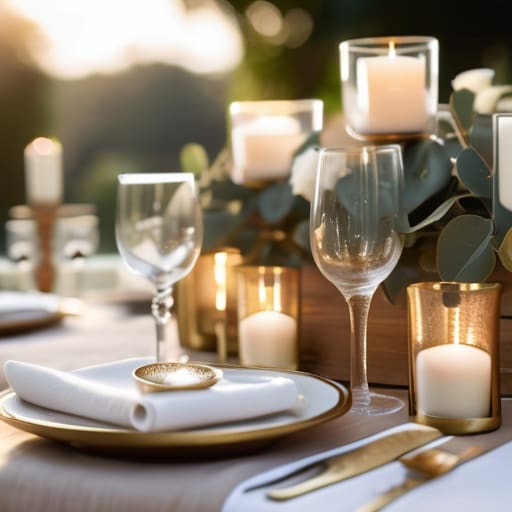
You can spend five grand on silk drapery and expensive table runners, but if the lighting is a harsh, fluorescent nightmare, your wedding will look like a mid-range office seminar. My advice? Put the money into warm, ambient lighting. Fairy lights, tea lights, and well-placed uplighters do more for the “vibe” than any expensive tablecloth ever could.
The Power of Repurposed Glassware
I’ve seen couples try to buy bespoke, designer vases for every single table, and frankly, it’s a waste of a good budget. Instead, look at glassware as a structural tool. Simple, clear glass jars, bottles, or even mismatched vintage vessels can look incredibly intentional if they are grouped correctly. It’s about the density of the arrangement, not the brand of the vase.
Strategic Use of Signage
Signage is one of those things that people think needs to be hand-painted calligraphy on reclaimed wood, which is a lovely sentiment until you see the quote from the artist. You don’t need a museum-grade exhibit; you need clear, functional information. A well-designed, printed sign on decent cardstock tells people where to go and what’s happening, which keeps the flow of the evening moving.
Foliage Over Florals
I cannot stress this enough: stop trying to compete with the seasons. If you want lilies in November, you are going to pay a premium for someone to fly them in from halfway across the world, and they’ll probably arrive looking exhausted. Instead, lean into what is locally available and in season. It’s cheaper, it’s fresher, and it looks more natural.
The Tablecloth Trap
This is where I see budgets bleed out most often. People spend a fortune on heavy, floor-length linens in specific shades of “dusty rose” only to realize that the venue’s tables are already a decent color, or that the fabric is so stiff it’s a nightmare to move around. Before you commit, ask yourself if the linen is actually adding value or just covering up a problem.
Maximizing Natural Elements
If your venue has any character at all—exposed brick, stone walls, or even just a nice view—stop trying to hide it under layers of decor. The biggest mistake I see is couples trying to “build” a room that is already there. Use the existing architecture as your primary decoration. It costs exactly zero pounds to let a beautiful fireplace or a large window do the heavy lifting.
The Bottom Line
At the end of the day, decorating on a budget isn’t about making things look “cheap”; it’s about making smart, tactical choices that don’t interfere with the actual flow of the evening. You’ve looked at repurposing greenery, skipping the expensive floor-to-ceiling installations, and focusing your spend on the areas where people actually sit and linger. If you prioritize high-impact, low-maintenance items and avoid the trap of buying single-use plastic trinkets that end up in a bin by midnight, you’ve already won half the battle. Remember, every pound you save on a centerpiece is a pound you can move toward the actual priorities—like a better bar service or ensuring the caterer has enough room to move without tripping over a stray silk petal.
I’ve stood at the back of many a ballroom, watching the lights dim and the music kick in, and I can tell you this: nobody remembers the specific shade of the napkins when they’re halfway through a celebratory gin and tonic. They remember the atmosphere, the ease of the transition from dinner to dancing, and the fact that they weren’t stressed about the decor falling apart. Your wedding is a living, breathing event, not a static museum exhibit. Focus on the logistical elegance of your setup, keep your eyes on the licence end, and trust that a well-planned, simple room will always outshine a cluttered, expensive one.