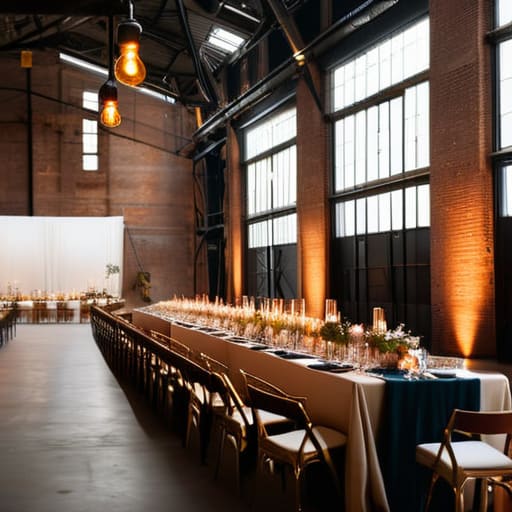
I once watched a corporate planner spend forty-five minutes debating the shade of linen for a keynote lunch, while completely ignoring the fact that the service lift was scheduled for maintenance during their main break. It’s a classic mistake. Most people think understanding how conference centres are booked is about comparing glossy brochures and checking the proximity to the airport, but that’s just the surface. If you want to know the real mechanics of it, you don’t look at the stage lighting; you look at the loading bay access and the Wi-Fi bandwidth per square metre. Booking a space isn’t a creative exercise in aesthetics; it is a high-stakes game of spatial mathematics and power requirements.
I’m not here to sell you on the “magic of networking” or the prestige of a grand ballroom. My goal is to pull back the curtain on the unseen logistics that actually determine whether your event is a seamless success or a slow-motion train wreck. I’m going to walk you through the grit of the process—from the fine print in the contract that dictates your move-in times to the hidden costs of AV integration. We’re going to talk about the stuff the sales teams conveniently leave out of their presentations, because at the end of the day, an event is just a logistics problem wearing a nice outfit.
Table of Contents
The Real Event Venue Procurement Process
Most people think the event venue procurement process is just a polite exchange of emails and a fancy PDF brochure. They see the high-res photos of empty ballrooms and think they’re halfway there. In reality, it starts with a spreadsheet of constraints that would make a mathematician weep. You aren’t just looking for a room; you are hunting for a specific combination of square footage, power draw, and proximity to a decent transport link. If you don’t nail the initial requirements, you’re just paying a premium to host a room that’s either too cramped for a decent coffee break or so large the acoustics turn your keynote speaker into a muffled ghost.
Once the shortlist is narrowed down, you have to get out of your chair. A conference venue site inspection is the only way to see the truth behind the marketing gloss. I’ve seen countless planners fall in love with a space only to realize during the walkthrough that the loading bay is a nightmare or the Wi-Fi dead zones are strategically placed right where the VIPs need to check their emails. You need to walk the route the attendees will take, check the sightlines, and—most importantly—ask where the service staff are going to hide when they’re clearing plates.
Mastering the Corporate Event Booking Timeline

Most people approach a corporate event booking timeline like they’re picking a restaurant for lunch—a casual glance at a website and a quick decision. If you’re running a multi-day conference, that’s a recipe for a logistical meltdown. You aren’t just looking for a room; you are navigating a sequence of dependencies. If you don’t secure the anchor dates twelve to eighteen months out, you aren’t even playing the same game. By the time you start discussing AV requirements or catering menus, the foundation of your event should already be set in stone.
The real danger zone is the gap between the initial inquiry and the final signature. This is where the event venue procurement process actually gets teeth. You need to be pushing for a formal conference venue site inspection well before you commit. I’ve seen too many planners fall in love with a digital rendering, only to arrive on-site and realize the “spacious” breakout room is actually a glorified broom closet with one power outlet. Don’t just check the carpet; check the Wi-Fi dead zones and the distance from the coffee station to the main stage. That’s where the actual event planning logistics live or die.
The Five Things Your Sales Prospectus Won't Tell You
- Stop falling in love with the mood boards and start asking about the floor load and power requirements. I’ve seen a dozen “seamless” product launches grind to a halt because the AV team arrived to find the venue couldn’t support the wattage needed for the displays, or worse, the layout left no room for the catering trolleys to move without clipping a VIP’s heel.
- The “hidden” cost of the turnaround. When you’re booking, don’t just look at the room hire; look at the transition time. If you have a plenary session ending at 1:00 PM and lunch at 1:15 PM, you aren’t planning a lunch; you’re planning a riot. Always budget for the physical time it takes to flip a room, or you’ll be paying staff overtime to chase a schedule that was doomed from the start.
- Check the loading bay access before you sign the contract. It sounds pedantic, but if your keynote speaker has a massive set piece arriving via a heavy goods vehicle and the venue’s service entrance is a narrow side door with a lift designed for tea trays, you’re in for a very expensive afternoon of manual labour.
- Treat the Wi-Fi density as a non-negotiable utility, not a “nice to have.” A conference centre might boast “high-speed internet,” but that’s useless if the bandwidth collapses the moment 200 delegates all try to upload a video at the same time during a break. Ask for the concurrent device capacity, not just the download speed.
- Work backwards from the licence end. In my world, the clock is the only boss that doesn’t negotiate. When booking, don’t just ask when the event starts; ask when the noise must cease and when the last person must be out the door. If your networking drinks are scheduled to bleed into the local council’s curfew, you aren’t hosting a party—you’re hosting a police intervention.
The Final Countdown

At the end of the day, booking a conference centre isn’t about picking the prettiest carpet or the most impressive lobby; it’s about the math. You’ve looked at the timelines, you’ve interrogated the AV capabilities, and you’ve hopefully accounted for the fact that a hundred people cannot all exit a breakout room at the exact same second. If you have managed to align your budget with the reality of service charges and checked that the loading bay actually works for your exhibitors, you are already ahead of ninety percent of the planners I see. Remember, the goal is to build a framework where the logistics are invisible because they actually function. When the power doesn’t trip and the coffee is ready the moment the doors open, that is when you have actually succeeded in mastering the procurement process.
Once the contract is signed and the deposit is paid, it is easy to get lost in the aesthetics of the day. But keep your eyes on the clock and your wits about you. A well-booked venue is a foundation, not a finished product. If you respect the timings, respect the venue staff, and plan for the inevitable twenty-minute delay, you will find that the event flows with a grace that no amount of expensive floral styling can buy. Build it on solid ground, and you might just find that your event feels effortless to the guests, even if you know exactly how much hard work went into the mechanics.
Frequently Asked Questions
How much "hidden" margin should I actually build into my budget for things like AV technicians, power drops, and service charges that don't show up in the initial quote?
If you’re budgeting based on the initial quote, you’re already behind. I tell clients to bake in a 15% “chaos buffer” immediately. That’s not for extra champagne; it’s for the AV tech who needs a dedicated circuit because your keynote presentation just tripped a breaker, or the service charge that suddenly includes a mandatory gratuity you didn’t see in the fine print. If you don’t account for the power drops and the technical labor now, you’ll be paying for them when the licence is already ticking down.
What happens to my booking if my guest list grows by 15% two weeks before the event—can the room actually handle the extra bodies and the extra catering logistics?
Here’s the reality: a 15% jump two weeks out isn’t just a headcount issue; it’s a spatial crisis. If you’ve already hit your fire safety capacity, the answer is a hard no—I can’t risk the licence. Even if we have the floor space, you’ve just triggered a catering domino effect. We’re talking extra rentals, more service staff, and a sudden shortage of chairs. Check your contract’s “attrition clause” now, before the chaos hits.
If I book a venue based on a beautiful brochure, how do I verify if their loading bay access and Wi-Fi bandwidth can actually handle a high-stakes corporate presentation?
Stop looking at the brochure; start looking at the floor plan and the service contract. If you’re planning a high-stakes presentation, don’t ask if they “have Wi-Fi”—ask for a dedicated bandwidth guarantee and a stress test result. For the loading bay, ask for the dimensions and the clearance height. If the AV crew has to play Tetris with a van just to get a screen inside, your timeline is already dead.