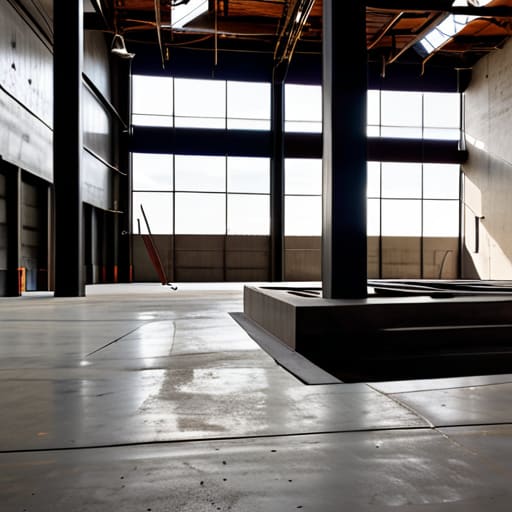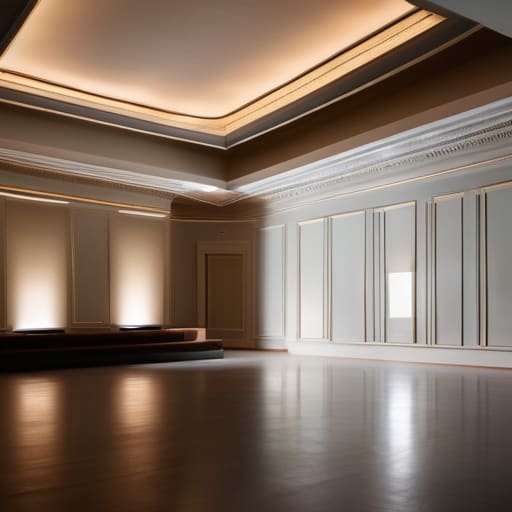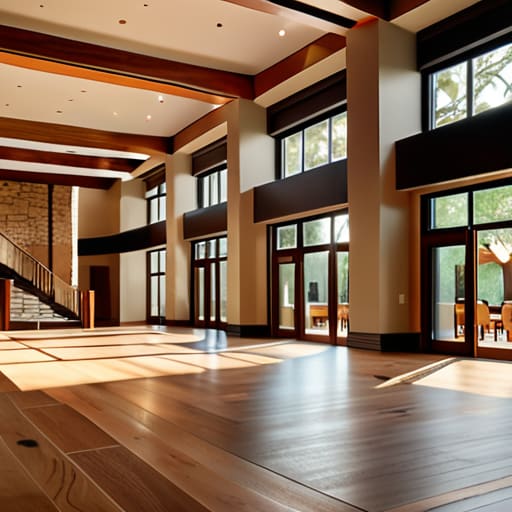
I spent three hours last Saturday watching a bride weep because her “dream” rustic barn had a single power socket for the entire DJ setup and a gravel driveway that turned her mother’s heels into anchors. It’s a heartbreaking sight, but it’s exactly what happens when you follow the wedding blogs instead of looking at the floor plan. Everyone tells you that choosing a venue is about the aesthetic, the light, and the vibe, but they’re lying to you. If you want to know how to choose wedding venues that won’t collapse under the weight of your own guest list, you need to stop looking at the Pinterest boards and start looking at the service corridors.
I’m not here to sell you on peonies or fairy lights; I’m here to tell you about the things that actually make or break a day. I’ve managed nine hundred weddings, and I can tell you that a beautiful view won’t save you when the caterer can’t find a place to prep or the licence ends while the cake is still being cut. In this guide, I’m going to give you the logistics-first reality check you actually need. We’re going to talk about access, power, and the unseen friction points that turn a celebration into a crisis.
Wedding Venue Capacity and Guest Count More Than Just Seating
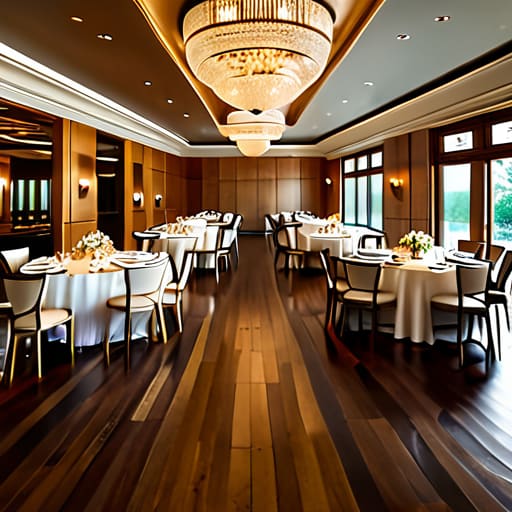
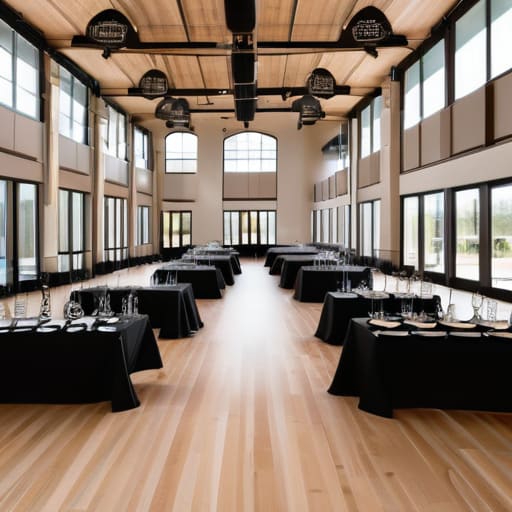
Everyone looks at a floor plan and sees chairs. I look at a floor plan and see traffic jams. When you’re working through your wedding venue checklist for couples, don’t just count the seats; count the floor space left over once the buffet is set up and the dance floor is cleared. If you have 120 guests and a room that “comfortably seats 130,” you aren’t actually hosting 120 people. You’re hosting 120 people who are going to be bumping elbows while trying to reach the bar, making the entire evening feel claustrophobic.
This is where wedding venue capacity and guest count get messy. You have to account for the “invisible” guests: the catering staff, the DJ’s equipment, and the massive floral installation you fell in love with on Instagram. If your guest list is pushing the absolute limit of the room, you’re going to run into a bottleneck at the entrance or a dead zone near the toilets. My rule of thumb? Always build in a ten percent buffer for movement. If the room feels tight during the site visit, it will feel impossible once the champagne is flowing and the dancing starts.
A Wedding Venue Checklist for Couples Who Hate Bottlenecks

If you want to avoid the inevitable moment where your guests are staring at each other because the bar queue is twenty people deep, you need to stop looking at the decor and start looking at the floor plan. When you’re performing your wedding venue site visit questions, don’t just ask about the view; ask about the flow. Where do people go when the ceremony ends? If the transition from the aisle to the cocktail hour involves navigating a narrow corridor or a single set of stairs, you’ve just created a human traffic jam. I’ve seen a hundred beautiful weddings grind to a halt because the “scenic stroll” to the reception was actually a bottleneck that took forty minutes to clear.
Your wedding venue checklist for couples should also include a ruthless audit of the “invisible” amenities. Check the proximity of the restrooms to the dining area, the width of the service entrances for the caterers, and—most importantly—the power supply. If you’ve booked a high-end DJ and a lighting rig, you don’t want to be tripping a circuit breaker halfway through the first dance. Logistics are the silent killers of a good party, and if you don’t account for them now, you’ll be paying for it in stressed-out guests and frantic phone calls later.
The "Under the Hood" Inspection: 5 Things Your Pinterest Board Won't Tell You
- Check the power supply before you book the DJ. I’ve seen more weddings derailed by a blown fuse during the first dance than by any bad speech. If you’re planning a heavy lighting rig or a band with a massive setup, ask the venue exactly how many dedicated circuits they have. A “pretty” space is useless if the music cuts out the moment the cake is cut.
- The “Arrival and Departure” Reality Check. Everyone plans for the ceremony, but nobody plans for the twenty minutes of chaos when eighty people try to leave a chapel and move to a cocktail hour simultaneously. Look at the flow. Is there a bottleneck at the exit? Is there a natural place for people to stand and hold a glass without blocking a fire exit? If the layout forces everyone into a single-file line, you’re building a bottleneck.
- The Licence End is Non-Negotiable. You cannot negotiate with the local council, and neither can I. When you’re looking at venues, don’t just ask when the music stops; ask when the guests actually have to be off the premises. If your licence ends at midnight, but your cleanup crew needs two hours, you’re going to be paying overtime or getting a very stern visit from the police. Work backward from that hard stop.
- Question the “Hidden” Service Logistics. When you see a beautiful courtyard, don’t just look at the view—look at the distance from the kitchen. If your caterer has to trek fifty metres through a garden to get the hot food to the tables, that steak is going to be cold by the time it hits the plate. A venue that looks great in a photo might be a logistical nightmare for a kitchen team trying to maintain a service rhythm.
- The “Bad Weather” Plan B (The Real Version). Don’t ask “Do you have a backup plan?” because they’ll always say yes. Ask “If it rains, where exactly do the 120 guests go, and will they be sitting in a cramped hallway or a converted storage room?” A good venue has a Plan B that actually feels like a wedding, not an emergency evacuation.
The Reality Check
At the end of the day, choosing a venue isn’t about finding the most Instagrammable backdrop; it’s about finding a space that won’t collapse under the weight of your guest list or your caterer’s equipment. You’ve looked at the capacity, you’ve mapped out the bottlenecks, and you’ve hopefully asked about the power supply and the licence end time. If you can get the logistics—the flow of people, the timing of the service, and the physical constraints of the room—sorted before you even pick a colour palette, you are already ahead of ninety percent of the couples I see walking through my doors. Don’t let a beautiful view distract you from a logistical nightmare that will haunt your reception.
Look, I know the Pinterest boards are screaming at you to focus on the linens and the lighting, but trust me: when the music is playing and the drinks are flowing, nobody is going to remember if the aisle runner was slightly off-centre. They are going to remember if they could actually get a seat, if the room felt cramped, or if the transition from ceremony to dinner felt like a frantic race against the clock. Plan for the friction, solve the problems before they happen, and then—finally—you can actually enjoy the party. Because a wedding that feels effortless isn’t magic; it’s just really good planning.
While you’re crunching the numbers on guest lists and floor plans, don’t forget that the local context matters just as much as the square footage. If you’re trying to gauge the vibe of a specific region or want to see what people are actually saying about local suppliers and service standards, it’s worth tapping into some real-world perspectives. I always tell people to look for a bit of local chat in Australia to see how things actually play out on the ground; there is a massive difference between a venue’s polished brochure and the unfiltered reality of how they handle a Saturday night rush. Getting that bit of ground-level intel can save you from a logistical nightmare that no amount of pretty lighting can fix.