I’ve spent eighteen years watching people fall in love with a room because the lighting looked “dreamy” in a brochure, only to watch that same romance dissolve into a logistical nightmare two hours later when the bar queue reaches the bathroom. Everyone tells you that choosing a wedding venue is about finding the perfect aesthetic, but they’re selling you a fantasy that ignores the reality of a hundred hungry guests and a single power socket. If you want to learn how to choose a wedding venue that actually functions, you need to stop looking at the centerpieces and start looking at the flow of the room.
I’m not here to talk about color palettes or whether the lace tablecloths match your bridesmaids’ dresses. My job is to tell you what happens when the caterer realizes they don’t have enough space to plate up, or when your “intimate” ceremony space turns into a bottleneck the moment the music starts. I’m going to give you the unvarnished truth about timings, access, and the hidden costs that the glossy wedding blogs conveniently forget to mention. We’re going to plan this like a professional, because an effortless wedding is simply a well-managed logistics problem.
Table of Contents
The Wedding Venue Checklist for Real World Logistics
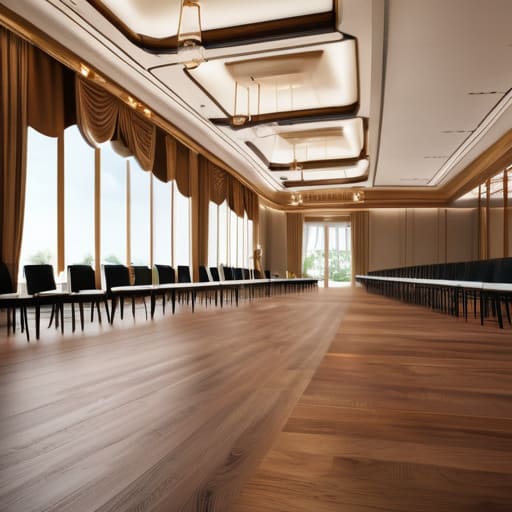
Forget the fluff about “dreamy lighting” for a second and look at the floor plan. When I’m walking a couple through a site visit, I’m not looking at the drapes; I’m looking at the flow. A proper wedding venue checklist needs to include the unglamorous stuff: Where is the service entrance? If the caterer has to haul thirty kilos of venison through the main guest entrance, your “elegant” arrival just turned into a buffet line nightmare. Check the power supply, too. If you’ve booked a five-piece band and a high-end lighting rig, you don’t want the circuit to trip the moment the first dance starts.
Then there’s the math. People get so caught up in the aesthetic that they treat venue rental fees as a flat rate, only to find out later that “exclusive use” doesn’t include the cost of extra security or the cleaning fee for the morning after. You need to account for the hidden logistics of your guest list. If you have 120 people but the room is configured for 100, you aren’t just “cozy”—you’re a fire hazard with a very expensive seating problem.
Wedding Budget Planning Beyond the Pretty Pictures

Most people approach wedding budget planning like they’re shopping for a wardrobe: they pick the dress or the suit, and then they try to make the math work around it. That is a recipe for a very stressful midnight audit. In my experience, the biggest mistake isn’t the price of the flowers; it’s failing to account for the “invisible” costs that live in the fine print of your contract. You need to look past the initial quote and scrutinize the venue rental fees for what they actually cover. Does the price include the setup and teardown crew, or are you paying for those hours on top? Does it include the linens, or are you essentially renting a beautiful, empty room and then being charged a premium to make it look like a wedding?
Then there is the matter of the guest list. I see it every season: a couple picks a stunning, intimate space, only to realize halfway through their planning that their wedding guest list management has spiraled out of control. Suddenly, you’re trying to cram 130 people into a room built for 100. That’s when the logistics break. You aren’t just paying for more chairs; you’re paying for the extra staff, the increased food volume, and the inevitable chaos of a crowded room. Plan for the floor space first, and the guest count second.
Five Reality Checks Before You Sign the Contract
- The “Flow” Test: Don’t just look at the room; walk the path. If your guests have to trek through a muddy garden or navigate a narrow, single-file corridor to get from the ceremony to the bar, you’re going to have a bottleneck that kills the momentum before the first toast is even poured.
- Power, Light, and Sound: Your DJ and your caterer are both going to be fighting for sockets. If the venue tells you they have “plenty of power” but can’t show you a distribution board or a dedicated circuit for the band, they’re lying to you. A blown fuse during the first dance is a logistical nightmare you don’t want to solve at midnight.
- The Loading Bay Reality: Ask where the caterers are going to unload. If they have to carry crates of glassware and heavy trays up three flights of stairs because there’s no service lift or easy access, your food is going to arrive late, lukewarm, and with a service charge that will make your eyes water.
- The “Hard Stop” Conversation: Every venue has a licence end time that is non-negotiable. I don’t care how much you’ve paid; at midnight, the music stops. Work backwards from that time to ensure your speeches, dinner, and first dance actually fit, rather than trying to squeeze a three-course meal into a forty-minute window.
- The Bathroom Math: It sounds unromantic, but it’s vital. If you have 120 guests and only two toilets, you aren’t looking at a wedding; you’re looking at a queue. Check the ratio of guests to facilities, and check if they actually stay clean when eighty people have used them in a single hour.
The Final Walkthrough
At the end of the day, choosing a venue isn’t about finding the backdrop for your Instagram feed; it’s about finding a space that won’t collapse under the weight of your guest list. You’ve looked at the power requirements, you’ve crunched the numbers on the hidden service charges, and you’ve mentally mapped out the flow from the ceremony to the bar. If you can walk through a space and see the logistical skeleton—the service corridors, the loading bays, and the way the light hits the exit signs—then you’re ahead of ninety percent of the couples I deal with. Don’t let a beautiful floral installation distract you from a floor plan that creates a bottleneck at the buffet. If the bones are solid, the rest is just decoration.
Look, I know this side of planning feels a bit unromantic. It’s much easier to talk about silk ribbons than it is to discuss the proximity of the kitchen to the dance floor or the exact minute the music has to stop. But remember this: the most successful weddings I’ve managed weren’t the ones with the most expensive centerpieces; they were the ones where the guests never noticed the machinery running in the background. When the logistics are seamless, the magic actually has room to happen. Build your day on a foundation of practical reality, and I promise you’ll actually be able to enjoy the party instead of worrying about the timings.
Frequently Asked Questions
If I find a venue that looks perfect on Instagram but has a rigid end time, how much leeway can I actually get for the after-party?
Zero. That’s your answer. If the licence says midnight, the music stops at midnight, and the guests are out the door by 12:15. I’ve seen couples try to “negotiate” an extra hour with a venue manager, and it’s like trying to negotiate with a brick wall—except the wall has a police fine attached to it. If you want an after-party, book a second space nearby. Don’t bank on the venue bending the rules; they won’t.
How do I figure out if the "all-inclusive" package is actually a bargain or if they’re just hiding the service charges and equipment rentals in the fine print?
Don’t let a “package” lull you into a false sense of security. I’ve seen countless couples sign on the dotted line thinking they’ve saved thousands, only to realize mid-way through that the “all-inclusive” rate excludes the linen hire, the cake cutting fee, and a service charge that’s basically a second mortgage. Ask for an itemized breakdown. If they won’t show you the cost of the forks and the staff hourly rates, they aren’t offering a bargain—they’re offering a mystery.
What are the specific red flags I should look for during a site visit that aren't obvious in the brochure?
Look past the polished lobby and check the back of house. If the service corridors are narrow or cluttered, your food is going to arrive cold. Check the power sockets—if a band plugs in and the lights flicker, you’ve got a problem. Most importantly, look at the toilets. If they aren’t spotless during a viewing, they won’t survive a hundred guests after three rounds of champagne. If the venue feels “tight” now, it’ll feel like a riot later.